

Nashville vs Atlanta: Which city is better for real estate?
Agents working both Nashville and Atlanta quickly learn that these Southern capitals reward very different staging instincts, even though buyers in both cities skim the same Zillow feed. Nashville inventory leans toward Craftsman bungalows in East Nashville, new-build infill duplexes in The Nations, and cottage-style ranches in Inglewood, where wide front porches and shiplap interiors are still the visual shorthand for value. Atlanta listings, by contrast, span 1920s Tudor Revivals in Druid Hills, mid-century split-levels in Brookhaven, and steel-and-glass loft conversions across the Old Fourth Ward, demanding a much wider staging vocabulary across a single zip code. Buyer expectations diverge further once you account for relocation flow. Nashville pulls heavily from Chicago, Los Angeles, and the Northeast, so listings need to translate Southern character into a polished, transferable look. Atlanta, with its tech and logistics hiring corridors along I-285, pulls a more design-literate buyer who scrutinizes ceiling height, light, and finish hierarchy frame by frame. Virtual staging through aistage.pro lets a single listing agent test both lanes, swapping a fiddle-leaf-and-rattan Nashville palette for a charcoal-and-walnut Atlanta finish without rebooking a stylist. The two cities are close on the map and far apart on the screen, which is exactly why staging strategy has to be city-specific rather than regional.
Nashville vs Atlanta
Real Estate Market Comparison
Thinking about buying or selling property? Compare the Nashville, TN and Atlanta, GA real estate markets side by side — from median prices and days on market to top neighborhoods and staging strategies.
Migration Insight
Nashville and Atlanta share a Southeast zip prefix and almost nothing else when buyers start scrolling. East Nashville rewards listings that lean into Craftsman detailing, painted brick, and warm wood floors; over-styling these homes with a glossy urban finish reads as out-of-market and slows showings. Atlanta intown neighborhoods, especially Grant Park, Kirkwood, and Reynoldstown, expect a sharper editorial hand — clean-lined sofas, vintage rugs, and large-scale art that respects the bone structure of older Craftsman and Victorian stock. Suburbs tell another story entirely. Williamson County listings around Franklin and Brentwood need traditional staging with formal dining moments, while Cobb and Gwinnett buyers in Atlanta want flexible bonus rooms that read as office, gym, or media space. Lighting strategy also splits along city lines: Nashville's strong front-porch culture means twilight-style exterior images convert well, while Atlanta's tree canopy makes interior daylight renders the higher-yield first photo. Agents who calibrate to these neighborhood-level differences in aistage.pro see fewer days on market and cleaner offer rounds.
- East Nashville
- The Gulch
- Germantown
- 12 South
- Green Hills
- Buckhead
- Midtown
- Virginia-Highland
- Decatur
- Inman Park
Nashville's hot market draws relocating buyers who discover the city online first. Stunning listing photos are the first impression for out-of-state buyers, making staging essential. Virtual staging helps Nashville agents present properties at their best to this digital-first audience.
Atlanta's diverse and growing market spans luxury estates to starter homes across a massive metro area. Staged listings perform especially well here, where buyers often search online across multiple neighborhoods before visiting. Virtual staging helps agents cover more listings efficiently.
Market Dynamics: Nashville vs Atlanta
### Inventory profile and what each market rewards
Nashville's active inventory is dominated by post-2015 infill construction, renovated 1940s ranches, and a steady flow of tall-and-skinny duplexes in 12 South, Sylvan Park, and East Nashville. The architectural language is friendly and slightly nostalgic: shiplap accent walls, white oak floors, matte black plumbing, and tongue-and-groove porch ceilings. Buyers expect staging that feels current but not cold — think bouclé chairs, woven pendants, and warm linen drapery rather than hard-edged minimalism. Atlanta's inventory carries far more architectural depth: 1920s American Foursquares in Virginia-Highland, mid-century moderns in Morningside, brick ranches in Buckhead, and contemporary builds in West Midtown all compete in the same school district at the same price band. Staging in Atlanta has to acknowledge era. A 1925 bungalow in Candler Park needs vintage-leaning furnishings and respect for original mantels, while a new-build townhome on the BeltLine wants gallery-style restraint with sculptural lighting and graphic art.
### Buyer behavior and how staging should respond
Nashville's buyer pool skews heavily toward relocation, often sight-unseen for the first round of offers. That means listing photos function as the first showing, and virtual staging through aistage.pro must hold up to repeat viewing on a 27-inch monitor as well as a phone. Empty rooms photograph cold under Nashville's typical north-light orientation, so adding scaled furniture, layered textiles, and a clear focal wall consistently shortens days on market. Atlanta buyers, by contrast, tour more aggressively in person and expect listings to telegraph lifestyle: a defined work-from-home corner, a dining room sized for actual entertaining, and a primary suite that reads as retreat rather than overflow storage. Agents who stage for use case — not just style — close offers faster in Atlanta intown markets. Both cities reward agents who present three to four core spaces fully styled rather than a thin coat of staging across every room. The compounding effect of strong first photos is more pronounced in Nashville because syndicated portals weight the lead image heavily on relocation searches, while Atlanta's denser comp set means staging consistency across the full photo set is the deciding factor in saved-search clicks.
Key Takeaways
Price difference: $50,000 (11%)
Atlanta ($395,000) is $50,000 more affordable than Nashville ($445,000).
Speed difference: 1 day
Homes in Nashville sell in 39 days on average vs 40 days in Atlanta.
More affordable: Atlanta, GA
With a median price of $395,000, Atlanta offers more entry-level options for first-time buyers and investors.
Faster market: Nashville, TN
At 39 days on market, Nashville moves faster. Sellers in this market benefit most from being listing-ready on day one — virtual staging delivers in under 60 seconds.
Stage Your Listing in Either Market
Transform empty rooms into stunning staged photos in 60 seconds. Starting at $0.10 per image.
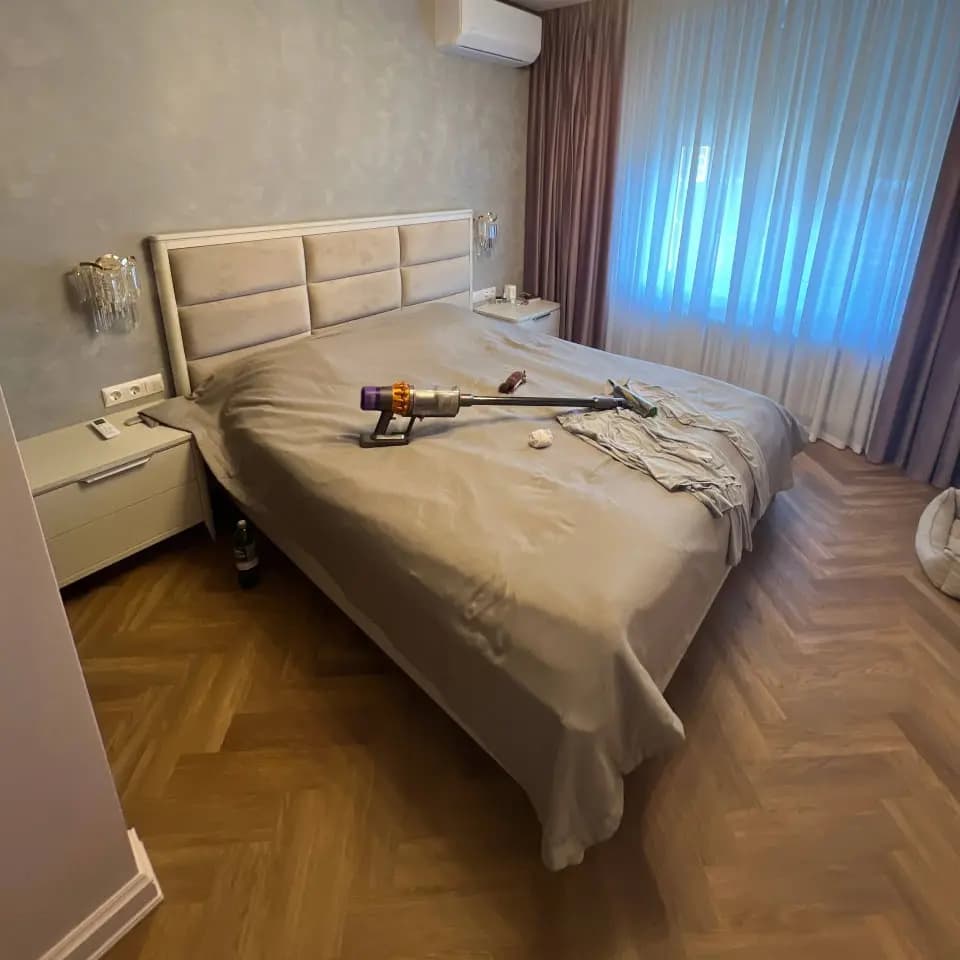
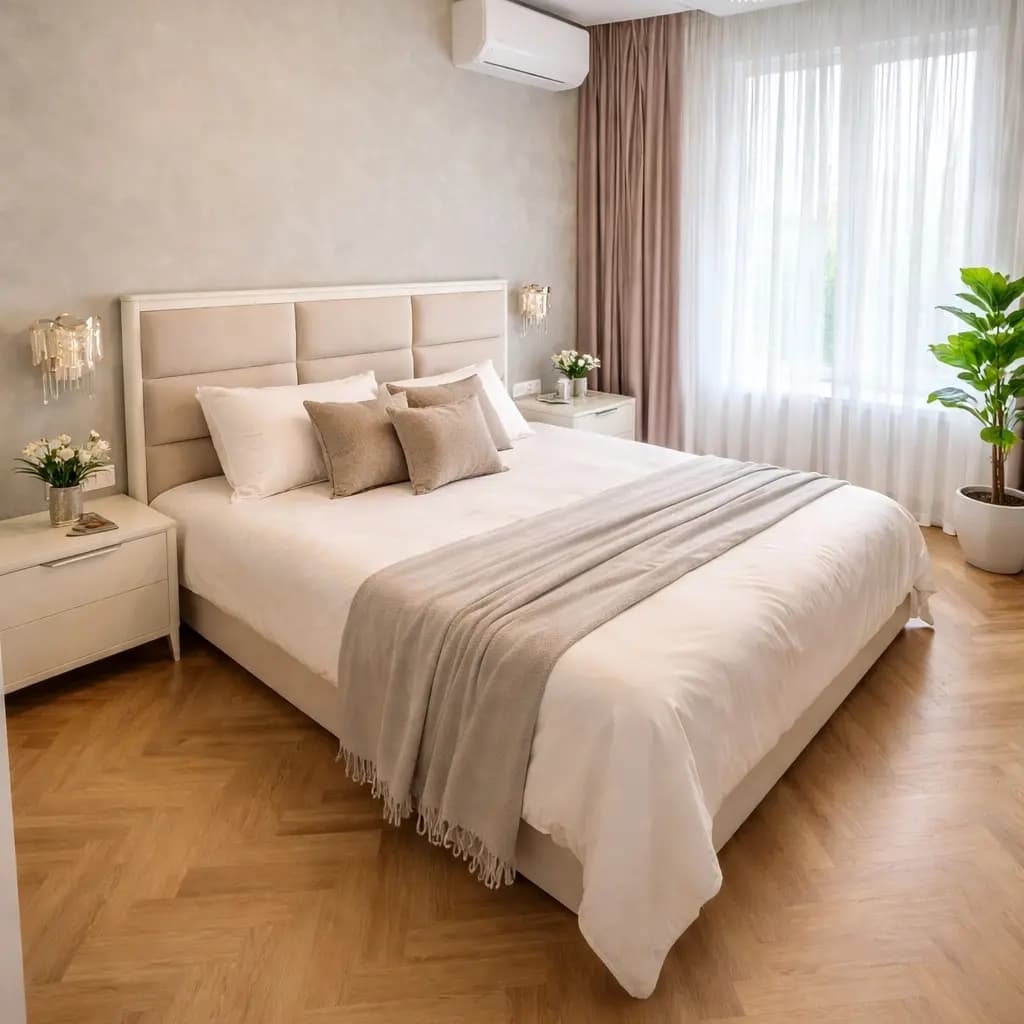
Deciding Between Nashville and Atlanta
Match staging to architectural era, not generic Southern
A Druid Hills Tudor and an East Nashville Craftsman both sit in the Southeast, but they reward very different furnishings. Use vintage-leaning seating, layered rugs, and brass for older Atlanta stock, and lean into white oak, matte black, and woven texture for Nashville bungalows. Generic farmhouse staging now reads as dated in both cities.
Stage three rooms fully before adding a fourth lightly
Across Nashville and Atlanta listings, the highest-converting photo sets fully style the living room, primary bedroom, and dining area. Agents who try to stage every room at half strength dilute the visual impact. Use aistage.pro to commit to three hero rooms and add a flex space only if budget and angles allow clean coverage.
Plan a defined work-from-home zone for Atlanta intown listings
Tech and logistics hiring around Midtown and Perimeter means buyers actively scan for a credible home office. Stage an underused corner of the dining room, a sunroom, or a finished basement as a quiet work zone with a real chair, not a styling prop. Listings that show the office moment land more saved searches in Atlanta's intown comp set.
Use twilight exteriors for Nashville porches, daylight interiors for Atlanta
Nashville's front-porch culture rewards a styled twilight shot with rocking chairs, lantern lighting, and a clean approach. Atlanta's heavy tree canopy mutes exteriors, so the first lead image should be a bright daylight interior — usually the kitchen or living room — that signals openness and natural light without filter-heavy editing.
Calibrate styling restraint to neighborhood price tier
A starter ranch in Inglewood or East Atlanta Village wants warm, accessible staging that reads aspirational but achievable. A higher-tier listing in Belle Meade or Buckhead expects editorial restraint — fewer accessories, larger-scale art, and deliberate negative space. Over-accessorizing the upper tier signals inexperience to design-literate buyers.
Nashville vs Atlanta FAQ
Is Nashville or Atlanta more affordable for homebuyers?
Atlanta is more affordable with a median home price of $395,000 compared to Nashville's $445,000 — a difference of $50,000 (11%). However, affordability also depends on local incomes, property taxes, and cost of living. Both markets offer opportunities for buyers at different price points.
Which market is hotter, Nashville or Atlanta?
Nashville is currently the faster-moving market with homes averaging 39 days on market, compared to 40 days in Atlanta. A shorter time on market typically indicates stronger buyer demand and more competition. Agents in Nashville need to list quickly — virtual staging helps get listings photo-ready in minutes, not weeks.
Should I stage my home when selling in Nashville or Atlanta?
Absolutely — staged homes sell faster and for more money in both markets. In Nashville (median $445,000), even a 1-2% price increase from staging can mean thousands more at closing. In Atlanta (median $395,000), the same applies. Virtual staging with Agent Lens costs just $0.10 per image, making it a no-brainer for agents in either market.
How does virtual staging help in competitive markets like Nashville and Atlanta?
Virtual staging transforms empty rooms into beautifully furnished spaces in under 60 seconds. In competitive markets, first impressions matter — 97% of buyers start their search online. Staged listing photos get more clicks, more showings, and higher offers. At $0.10 per image, virtual staging delivers professional results at a fraction of physical staging costs ($2,000-$5,000+).
Does virtual staging help more in Nashville or Atlanta?
Both markets benefit, but in different ways. Nashville relocation buyers often make first offers from photos alone, so virtual staging directly compresses days on market by replacing empty rooms with scaled, era-appropriate furnishings. Atlanta buyers tour in person more often, but the saturated intown comp set means staged photos win the saved-search click that triggers the showing. Agents working both cities through aistage.pro see measurable lift in either direction when staging matches the local architectural era.
How should I stage a 1920s bungalow differently in each city?
An East Nashville bungalow rewards warm white oak, woven texture, and a slightly modern Craftsman feel that reads transferable to relocation buyers. A Candler Park or Grant Park bungalow in Atlanta wants more vintage character — leather seating, heritage rugs, brass lighting — because design-literate intown buyers expect the staging to honor the era rather than flatten it. The same floor plan, two distinct moodboards.
Are open-concept renders better than walled rooms for these markets?
Atlanta intown buyers, especially in older Virginia-Highland and Morningside stock, often prefer defined rooms because the original architecture treated dining and living as separate moments. Nashville new-build buyers expect open-concept layouts and respond well to staging that flows from kitchen island to living seating. Stage to the home's actual layout rather than forcing an open-concept render onto a clearly partitioned floor plan.
Should I stage the basement in either city?
In Atlanta, finished basements are common in Brookhaven, Smyrna, and East Cobb listings, and staging that space as a media or guest suite raises perceived square footage value meaningfully. Nashville basements are rarer and often partially finished, so virtual staging works best when it shows a flexible bonus or workout room rather than a polished living space that may not match the actual ceiling height or finish.
How do I avoid over-staging a luxury listing?
Upper-tier buyers in Belle Meade, Buckhead, or Buckhead Heights read clutter as inexperience. Strip the moodboard to two or three statement pieces per room, increase negative space, and let architectural details — millwork, fireplaces, original floors — carry the photo. Aistage.pro renders at this tier should look closer to a magazine editorial than a builder showroom. Restraint reads as confidence in luxury photo sets across both cities.