

Miami vs Atlanta: Which city is better for real estate?
Miami and Atlanta represent two distinct paths for Southeast real estate agents looking to position listings effectively. Miami's market revolves around waterfront condominiums in Brickell, single-family homes in Coral Gables featuring Mediterranean Revival arches, and mid-century ranches in Coconut Grove shaded by banyan canopies. Atlanta's inventory leans toward Craftsman bungalows in Inman Park, brick Tudors in Morningside, and contemporary new builds along the Westside BeltLine corridor. Buyer expectations diverge sharply: Miami shoppers want indoor-outdoor flow with terrazzo floors and rattan accents that handle salt air, while Atlanta shoppers respond to dark hardwood, painted brick exteriors in Sherwin-Williams Pure White, and screened porches looking onto mature oaks. Virtual staging from AIStage helps agents reframe vacant rooms with regionally appropriate palettes — pale aqua and travertine for South Beach studios, warm taupe and walnut for Decatur Craftsmans. Photography seasons also differ: Miami's harsh midday sun forces agents to schedule shoots for golden hour or rely on AI-relit interiors, while Atlanta's filtered tree-canopy light demands brightening before staging. Understanding these visual codes lets agents match listing presentation to local buyer psychology, shortening days on market and reducing the price negotiation gap that comes with empty rooms.
Miami vs Atlanta
Real Estate Market Comparison
Thinking about buying or selling property? Compare the Miami, FL and Atlanta, GA real estate markets side by side — from median prices and days on market to top neighborhoods and staging strategies.
Migration Insight
Local context shapes staging choices in measurable ways. In Miami's Edgewater and Brickell high-rises, white oak floors and floor-to-ceiling windows reward minimal furniture: a low-profile Italian sectional, a single sculptural pendant, and curtains that disappear into the ceiling track. Buyers tour balconies first, so virtual staging should treat outdoor space as a primary room with teak loungers and shade structures. Coral Gables and Pinecrest tilt traditional, where painted casework, Saltillo tile, and arched openings call for transitional furnishings rather than ultra-modern pieces. Atlanta presents a different rhythm. Virginia-Highland and Candler Park bungalows feature original heart-pine floors, beadboard ceilings, and breakfast nooks that benefit from Shaker-style chairs and brass library lamps. Buckhead's brick colonials and West Midtown's loft conversions need separate staging vocabularies — one formal with wingback chairs, the other industrial with Edison fixtures and reclaimed wood. Suburban Cobb and Gwinnett markets respond to family-focused staging: bunk beds in secondary bedrooms, mudroom benches near garage entries. Agents who match staging vocabulary to neighborhood architecture see stronger online engagement than those using generic furniture sets.
- Brickell
- Coral Gables
- Coconut Grove
- South Beach
- Wynwood
- Buckhead
- Midtown
- Virginia-Highland
- Decatur
- Inman Park
Miami's international buyer pool and luxury condo market make professional staging essential. Coastal and modern styles dominate Miami listings, and staged properties capture attention from global investors browsing online. Virtual staging helps Miami agents appeal to buyers who may never visit in person before offering.
Atlanta's diverse and growing market spans luxury estates to starter homes across a massive metro area. Staged listings perform especially well here, where buyers often search online across multiple neighborhoods before visiting. Virtual staging helps agents cover more listings efficiently.
Market Dynamics: Miami vs Atlanta
### Architectural vocabulary and buyer expectations
Miami listings divide into three visual categories that determine staging direction. Waterfront condominiums on Biscayne Bay or Miami Beach demand resort-grade interiors: bouclé chairs in cream, brass-tipped coffee tables, abstract canvases referencing the ocean horizon. Single-family Mediterranean Revival homes in Coral Gables call for terra-cotta accents, wrought-iron pendants, and area rugs in faded blues that complement painted ceiling beams. Modern construction in Bay Harbor Islands and Surfside, often by architects influenced by Chad Oppenheim, accepts harder-edged furniture — concrete coffee tables, leather slingback chairs, monochrome art. Atlanta divides differently. Intown bungalows from the 1920s in East Atlanta Village and Kirkwood feature shotgun layouts where staging must emphasize sightlines from front porch to rear sunroom. Agents commonly request virtual staging that includes a reading chair near front bay windows, a dining table sized for the original room rather than oversized contemporary pieces, and beds dressed in linen rather than synthetic fabrics that read poorly under interior light.
### Climate, light, and photo workflow differences
Miami's high humidity and direct sun affect both physical and virtual staging decisions. Real furniture suffers from salt corrosion in coastal listings, making AI-generated furniture an obvious workflow choice for short-term marketing. Photographers shooting Brickell condominiums often face blown-out window views; agents pair AI staging with sky replacement to preserve the bay or Miami River as a visible amenity. Atlanta's tree canopy creates the opposite challenge — interiors photograph dark, especially in Druid Hills and Ansley Park homes shaded by century-old oaks. Virtual staging tools that include relighting rather than just furniture insertion produce stronger results in these conditions. Agents working Decatur and Avondale Estates report that buyers respond to staged photos showing a single accent wall in Benjamin Moore Hale Navy paired with brass sconces, a combination that reads warm against shaded exterior light. Both markets reward agents who treat staging as a regional dialect rather than a universal template, choosing furniture, color, and composition that match how local buyers expect a home to feel.
Key Takeaways
Price difference: $195,000 (33%)
Atlanta ($395,000) is $195,000 more affordable than Miami ($590,000).
Speed difference: 14 days
Homes in Atlanta sell in 40 days on average vs 54 days in Miami.
More affordable: Atlanta, GA
With a median price of $395,000, Atlanta offers more entry-level options for first-time buyers and investors.
Faster market: Atlanta, GA
At 40 days on market, Atlanta moves faster. Sellers in this market benefit most from being listing-ready on day one — virtual staging delivers in under 60 seconds.
Stage Your Listing in Either Market
Transform empty rooms into stunning staged photos in 60 seconds. Starting at $0.10 per image.
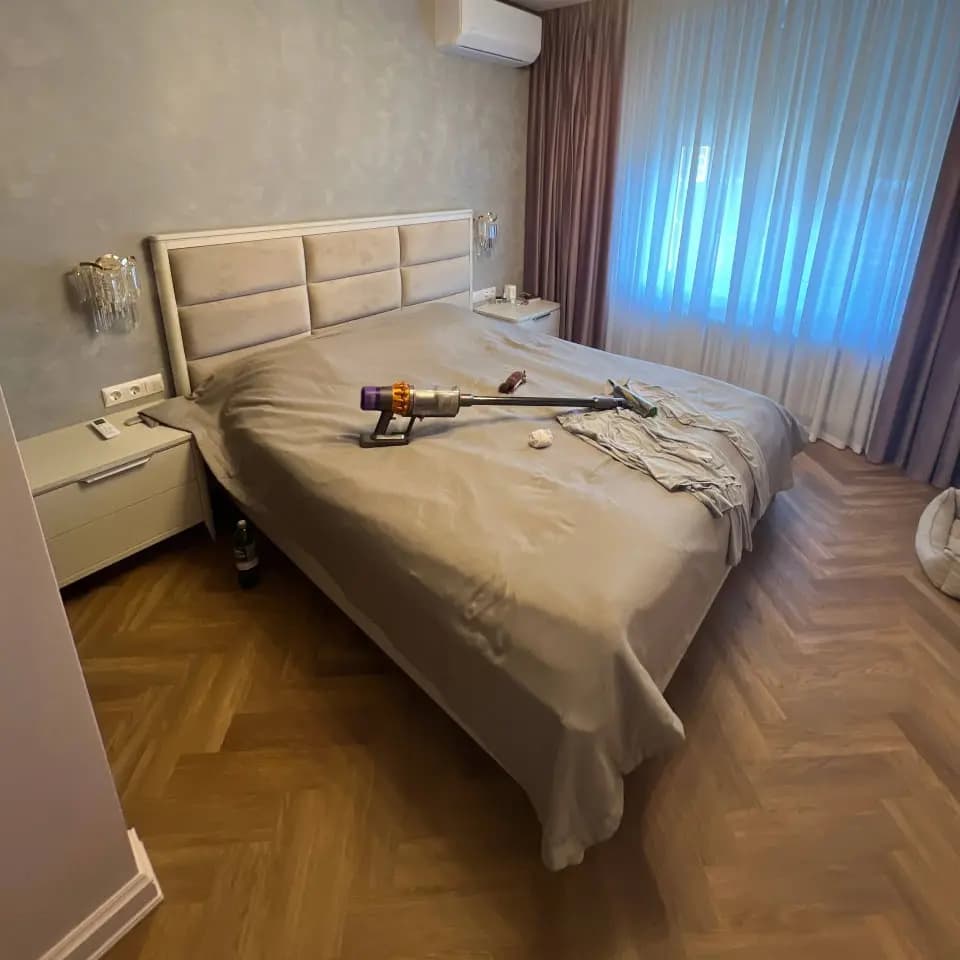
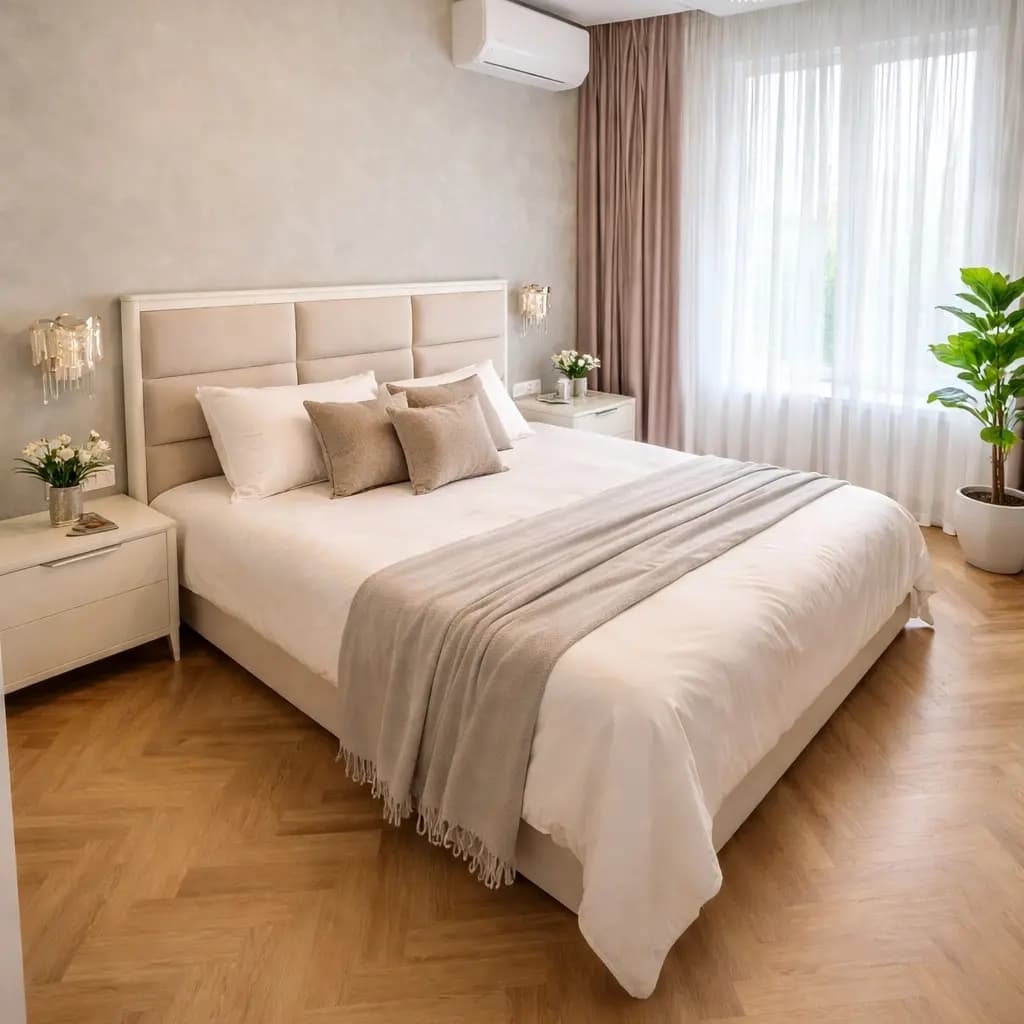
Deciding Between Miami and Atlanta
For Miami waterfront condos, virtually stage balconies with
For Miami waterfront condos, virtually stage balconies with teak loungers, an outdoor dining set for four, and a planter of bird-of-paradise to sell lifestyle alongside square footage.
In Atlanta intown bungalows, keep dining tables to
In Atlanta intown bungalows, keep dining tables to four chairs maximum so original rooms read spacious; oversized eight-seat tables shrink the space in photos.
Coral Gables Mediterranean homes look strongest with iron
Coral Gables Mediterranean homes look strongest with iron pendant lighting, wool area rugs in muted terracotta, and accent walls in warm whites like Benjamin Moore Swiss Coffee.
Atlanta Craftsman porches should be staged with two
Atlanta Craftsman porches should be staged with two rocking chairs and a small side table; porches sit empty in seven of ten vacant listings and lose buyer attention.
For Brickell high-rises, choose low-profile sectionals under 30
For Brickell high-rises, choose low-profile sectionals under 30 inches tall to preserve city views; tall furniture cuts the skyline and reduces perceived value.
Miami vs Atlanta FAQ
Is Miami or Atlanta more affordable for homebuyers?
Atlanta is more affordable with a median home price of $395,000 compared to Miami's $590,000 — a difference of $195,000 (33%). However, affordability also depends on local incomes, property taxes, and cost of living. Both markets offer opportunities for buyers at different price points.
Which market is hotter, Miami or Atlanta?
Atlanta is currently the faster-moving market with homes averaging 40 days on market, compared to 54 days in Miami. A shorter time on market typically indicates stronger buyer demand and more competition. Agents in Atlanta need to list quickly — virtual staging helps get listings photo-ready in minutes, not weeks.
Should I stage my home when selling in Miami or Atlanta?
Absolutely — staged homes sell faster and for more money in both markets. In Miami (median $590,000), even a 1-2% price increase from staging can mean thousands more at closing. In Atlanta (median $395,000), the same applies. Virtual staging with Agent Lens costs just $0.10 per image, making it a no-brainer for agents in either market.
How does virtual staging help in competitive markets like Miami and Atlanta?
Virtual staging transforms empty rooms into beautifully furnished spaces in under 60 seconds. In competitive markets, first impressions matter — 97% of buyers start their search online. Staged listing photos get more clicks, more showings, and higher offers. At $0.10 per image, virtual staging delivers professional results at a fraction of physical staging costs ($2,000-$5,000+).
Should Miami listings be staged with tropical or modern furniture?
Match the building. Brickell and Edgewater high-rises lean modern with low sectionals, brushed brass, and minimal art. Coconut Grove and Coral Gables homes accept tropical-traditional pieces such as rattan chairs, sisal rugs, and palm prints. Avoid the cliche tropical look in newer construction; AIStage style libraries include separate Miami Modern and Miami Coastal categories so agents can pick the right vocabulary per listing rather than reusing one set across all properties.
How does Atlanta's tree canopy affect listing photos?
Mature oaks in Druid Hills, Ansley Park, and Morningside create shaded interiors that photograph darker than the eye perceives. Schedule shoots between 10 a.m. and 2 p.m. for indirect daylight, and use virtual staging tools that include relighting rather than only furniture replacement. Adding warm-toned table lamps and avoiding cool-white bulbs in staging keeps photos from reading clinical against tree-shadowed exteriors and helps preserve interior warmth.
Which neighborhoods reward formal staging versus casual?
Buckhead, Coral Gables, and Pinecrest buyers expect formal dining rooms, console tables in entryways, and traditional draperies. East Atlanta Village, Wynwood-adjacent Miami pockets, and West Midtown lofts respond to casual staging with mismatched chairs, open shelving, and industrial fixtures. Mismatched staging vocabulary is one of the most common reasons listings sit longer than comparable inventory in either market.
Do Miami buyers really tour balconies first?
RESA staging consultants and Miami agents consistently report that balcony presentation drives second showings in waterfront listings. Vacant balconies signal unused outdoor space; staged balconies with seating, shade, and a small dining setup signal a usable extension of the living area. AIStage agents commonly stage outdoor areas at the same priority as living rooms, especially in buildings without amenity decks.
What color palettes work best for Atlanta intown listings?
Warm whites like Benjamin Moore White Dove on walls, deep navy or forest green on accent walls, and natural wood tones in furniture perform consistently across Inman Park, Virginia-Highland, and Kirkwood. Avoid stark cool grays that read corporate; Atlanta intown buyers respond to homes that feel softer and more residential. Brass hardware and aged-bronze fixtures outperform polished chrome in these neighborhoods consistently across price points.