

Los Angeles vs Miami: Which city is better for real estate?
Los Angeles and Miami both run on warm-weather lifestyle marketing, but the staging brief that wins listings in each city diverges sharply once you start working actual rooms across both markets. LA buyers track comps closely and tour with sharp eyes for architectural authenticity, neighborhood vocabulary, and original detail. Miami buyers, particularly those in Coral Gables, Coconut Grove, and the Beach neighborhoods, scan photos for evidence of indoor-outdoor flow, water proximity, and the particular tropical-modern sensibility that defines the city's listing aesthetic. Architectural mix differs sharply between the two cities. LA runs through Spanish revivals, mid-century flats, traditionals, and contemporary new-builds across distinct neighborhood vocabularies. Miami leans on Mediterranean revivals in Coral Gables, mid-century homes in Miami Shores and Bay Heights, art deco condos on Miami Beach, and contemporary new-builds in Brickell and Wynwood. Climate hits both cities differently in ways that matter for staging. Miami's humidity and tropical light reshape material choices, and hurricane considerations factor into outdoor staging in ways they do not in LA. LA's neighborhood microclimates produce variable light expectations. Treat these as interchangeable warm-weather markets and one of the two listings will read off to its actual buyer pool. The fix is matching the brief to the architecture, climate, and buyer pool with intention.
Los Angeles vs Miami
Real Estate Market Comparison
Thinking about buying or selling property? Compare the Los Angeles, CA and Miami, FL real estate markets side by side — from median prices and days on market to top neighborhoods and staging strategies.
Migration Insight
Miami neighborhoods read distinctly to local buyers and international buyer pools alike across the city. Coral Gables expects formal Mediterranean revival staging with respect for original tile, plaster, and ironwork details. Coconut Grove mixes mid-century, traditional, and contemporary, and the brief there has to match the specific home rather than the neighborhood as a whole. Miami Shores and Bay Heights mid-century homes reward warm woods, layered textures, and tropical-modern palettes done with restraint. Miami Beach art deco condos need staging that respects period detail without leaning on heavy retro cliche or theme-park nostalgia. Brickell and Wynwood contemporary new-builds handle cleaner, more design-forward briefs with bolder accent palettes that match local taste. LA neighborhoods carry their own vocabularies that buyers track in photo sets across multiple platforms. Hancock Park demands formal traditional staging, Silver Lake rewards mid-century briefs, Westside coastal homes handle soft palettes, and hillside contemporary homes carry bolder statements. Climate-driven staging differs sharply between the cities across the year. Miami's humidity rewards breathable materials and hurricane-aware outdoor staging across the seasons. LA's variable microclimate light means staging has to match the specific neighborhood, not a generic warm-weather template.
- Beverly Hills
- Santa Monica
- Hollywood Hills
- Westwood
- Silver Lake
- Brickell
- Coral Gables
- Coconut Grove
- South Beach
- Wynwood
Los Angeles is one of the most competitive and visually-driven real estate markets in the nation. With median prices approaching $1M, buyers expect polished listing photos. Professional staging — especially virtual staging — gives LA agents a critical edge in attracting luxury and mid-market buyers.
Miami's international buyer pool and luxury condo market make professional staging essential. Coastal and modern styles dominate Miami listings, and staged properties capture attention from global investors browsing online. Virtual staging helps Miami agents appeal to buyers who may never visit in person before offering.
Market Dynamics: Los Angeles vs Miami
### Architectural vocabulary and material choice
Miami listings split into recognizable vocabularies that local agents read instantly. A Coral Gables Mediterranean revival expects formal furniture in classic styles with restrained palettes that respect original tile floors, plaster walls, and ironwork details that define the homes. A Coconut Grove mid-century rewards walnut case goods, layered textures, and tropical-modern palettes done with restraint. Miami Beach art deco condos need staging that respects the period without falling into retro cliche, with curved lines, restrained palettes, and period-appropriate accents that honor the architecture. Brickell and Wynwood contemporary new-builds handle cleaner, more design-forward briefs with bolder accents and gallery-quality finishes that match local expectations. LA's vocabulary varies dramatically by neighborhood across the basin. Hancock Park traditionals need formal staging. Silver Lake contemporary homes reward mid-century-influenced briefs. Mar Vista coastal-modern handles soft palettes well. Mismatching architecture and staging vocabulary produces photo sets that read generic to local buyers immediately, regardless of how polished individual furniture pieces look in isolation.
### Light, photography, and buyer persona
Miami's tropical light produces sharp shadows, warm exterior tones, and dramatic golden-hour conditions, especially for water-facing properties along the bay or canals. Photographers there often shoot golden-hour exteriors and lean on layered interior lighting to handle the contrast in the gallery view. Humidity and hurricane considerations affect outdoor staging, including material choices for patio furniture and the timing of outdoor shoots across the year. LA shoots vary dramatically by neighborhood. Westside marine layer mornings differ from Eastside hillside afternoon light, and stagers need to coordinate with the photographer on the specific microclimate. Buyer personas matter as much as architecture. Miami's active buyer pool includes domestic relocators, international buyers from Latin America and Europe, and second-home purchasers. Each reads photos with different priorities, but all reward staging that feels Miami-honest rather than imported from a coastal catalog. LA buyers skew toward design-literate professionals, entertainment industry workers, and returning natives who track comps closely. Brief your stager and photographer with the specific neighborhood, architectural style, and buyer pool in mind. A Coral Gables Mediterranean photographed at golden hour with period-respectful staging will outperform the same home shot under harsh midday light with imported coastal furniture, just as a Hancock Park traditional benefits from formal staging done well. Treating LA and Miami as interchangeable warm-weather markets undermines the listing before the first showing is booked.
Key Takeaways
Price difference: $385,000 (39%)
Miami ($590,000) is $385,000 more affordable than Los Angeles ($975,000).
Speed difference: 12 days
Homes in Los Angeles sell in 42 days on average vs 54 days in Miami.
More affordable: Miami, FL
With a median price of $590,000, Miami offers more entry-level options for first-time buyers and investors.
Faster market: Los Angeles, CA
At 42 days on market, Los Angeles moves faster. Sellers in this market benefit most from being listing-ready on day one — virtual staging delivers in under 60 seconds.
Stage Your Listing in Either Market
Transform empty rooms into stunning staged photos in 60 seconds. Starting at $0.10 per image.
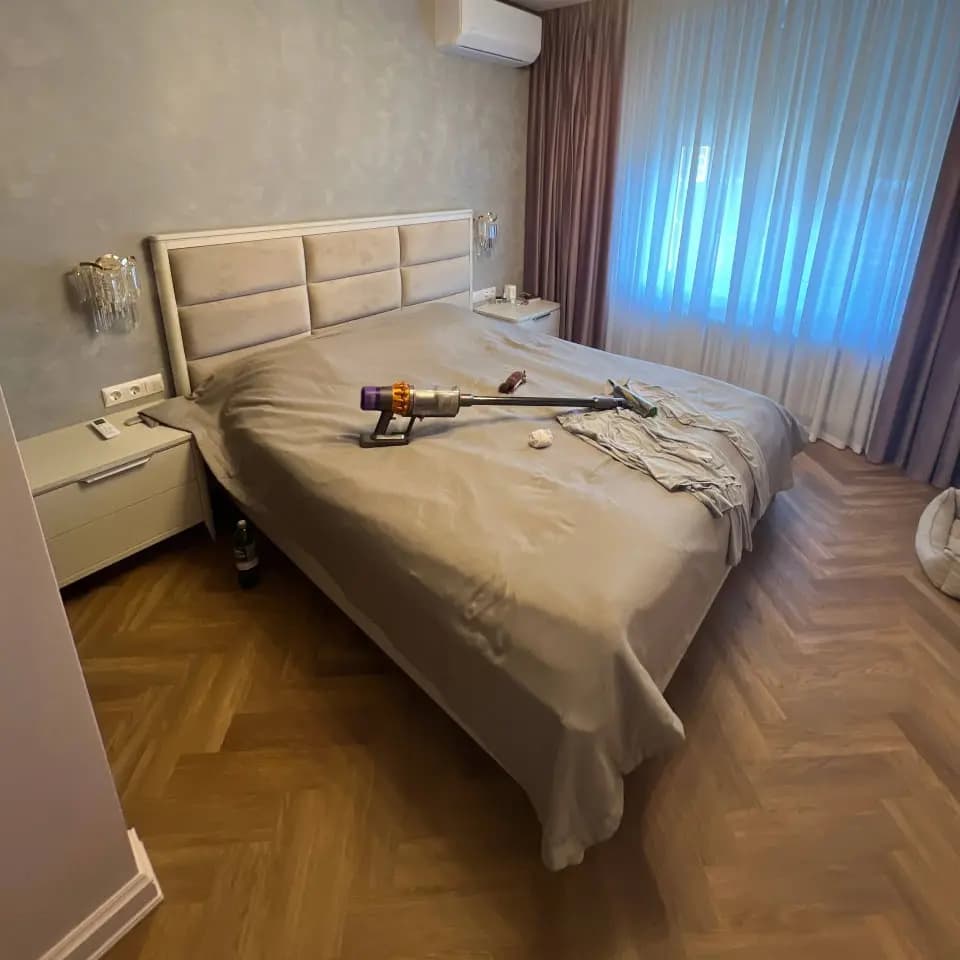
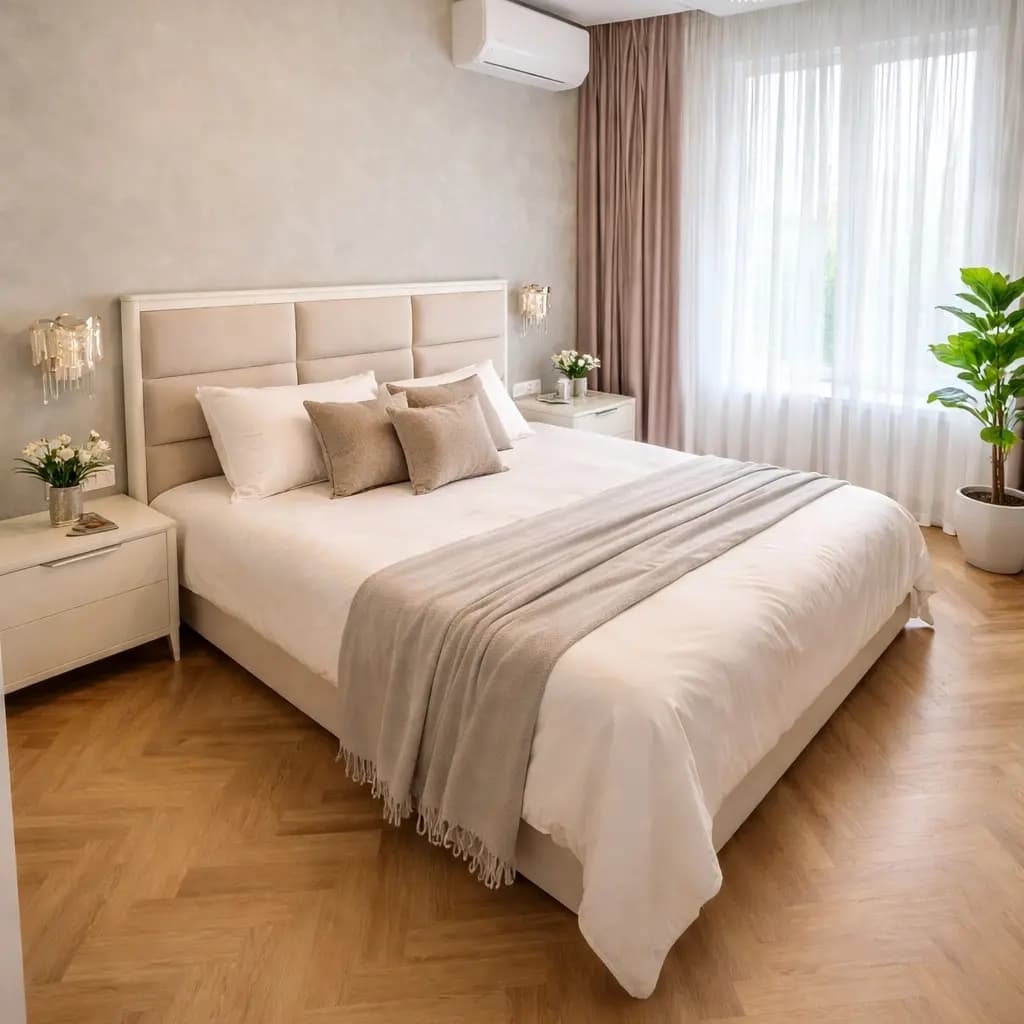
Deciding Between Los Angeles and Miami
Honor original detail in Coral Gables Mediterranean revivals
Coral Gables Mediterranean revivals carry original tile, plaster, and ironwork that local buyers and international buyers read as character. Choose formal furniture in classic styles with restrained palettes that respect those details. Skip oversized contemporary pieces or beach-modern furniture that fight the architecture rather than honoring the formal interior logic local buyers expect.
Use breathable materials for Miami listings
Miami's humidity affects how materials photograph and age. Choose linen, cotton, leather, and natural fibers that handle the climate honestly. Synthetic upholstery in tropical conditions can read as plastic in photos and degrade quickly in real life. Brief your stager on humidity-aware material choices for both interior and outdoor spaces.
Stage water-facing rooms intentionally in Miami
Properties with bay, ocean, or canal views win on those views. Stage with low-profile furniture that keeps sightlines clear, light palettes that complement rather than compete with the water, and accent pieces that frame the view rather than blocking it. Skip oversized statement pieces or heavy curtains that obscure what buyers came to see.
Match Miami art deco staging to period without cliche
Miami Beach art deco condos reward staging that respects period detail with curved lines, restrained palettes, and period-appropriate accents. Skip heavy retro cliche, neon palettes, or oversaturated tropical motifs that read as theme-park rather than authentic. The buyer pool there knows the difference between period-honest restraint and overstaged retro nostalgia.
Calibrate LA staging to specific neighborhood microclimate
Westside marine layer light handles cooler palettes well, while Eastside hillside light rewards warmer tones. Brief your stager on the specific microclimate and the photographer's typical shooting time. A staging brief that ignores LA neighborhood light differences produces listings that photograph inconsistently across the city.
Los Angeles vs Miami FAQ
Is Los Angeles or Miami more affordable for homebuyers?
Miami is more affordable with a median home price of $590,000 compared to Los Angeles's $975,000 — a difference of $385,000 (39%). However, affordability also depends on local incomes, property taxes, and cost of living. Both markets offer opportunities for buyers at different price points.
Which market is hotter, Los Angeles or Miami?
Los Angeles is currently the faster-moving market with homes averaging 42 days on market, compared to 54 days in Miami. A shorter time on market typically indicates stronger buyer demand and more competition. Agents in Los Angeles need to list quickly — virtual staging helps get listings photo-ready in minutes, not weeks.
Should I stage my home when selling in Los Angeles or Miami?
Absolutely — staged homes sell faster and for more money in both markets. In Los Angeles (median $975,000), even a 1-2% price increase from staging can mean thousands more at closing. In Miami (median $590,000), the same applies. Virtual staging with Agent Lens costs just $0.10 per image, making it a no-brainer for agents in either market.
How does virtual staging help in competitive markets like Los Angeles and Miami?
Virtual staging transforms empty rooms into beautifully furnished spaces in under 60 seconds. In competitive markets, first impressions matter — 97% of buyers start their search online. Staged listing photos get more clicks, more showings, and higher offers. At $0.10 per image, virtual staging delivers professional results at a fraction of physical staging costs ($2,000-$5,000+).
Should I use the same staging vendor across LA and Miami listings?
Only if the vendor genuinely understands both markets and briefs their team on neighborhood-specific vocabulary. Most vendors lean toward one city's defaults, and that produces listings that read off in the other. If you work both markets regularly, find a vendor with proven Miami experience for Coral Gables and Coconut Grove and a separate LA partner who reads neighborhood architecture closely. The brief matters more than the vendor's general portfolio depth.
How does the Miami buyer pool differ from LA in ways that affect staging?
Miami's buyer pool includes a meaningful share of international buyers from Latin America and Europe, domestic relocators, and second-home purchasers. They scan photos for indoor-outdoor flow, water proximity, and tropical-modern sensibility. LA buyers skew toward design-literate professionals, entertainment industry workers, and returning natives who track comps closely. Each pool penalizes different staging mistakes, so the brief has to match the actual buyer rather than a generic warm-weather template.
Which Miami neighborhoods reward the strongest staging investment?
Coral Gables, Coconut Grove, Miami Shores, Bay Heights, Miami Beach, Brickell, and select Wynwood pockets reward the strongest staging investment because the buyer pools there expect polished presentations and track comps closely. Outlying neighborhoods benefit from staging too, but the investment level can be lighter. Match the staging budget to the neighborhood's buyer sophistication and price point rather than treating Miami as one homogeneous market with one brief.
How should virtual staging differ between these markets for vacant listings?
For Miami vacants, brief virtual stagers toward breathable materials, tropical-modern palettes done with restraint, and golden-hour lighting cues for water-facing properties. For LA vacants, the brief should match the specific neighborhood and microclimate. Mismatched virtual staging is one of the fastest ways to lose buyer trust before they book a showing in either market, especially among design-literate and international buyer pools.
Are there architectural styles in either city that need especially careful staging?
In Miami, Coral Gables Mediterranean revivals, Miami Beach art deco condos, and Coconut Grove mid-century homes need careful staging because the buyer pools there expect architecture-respectful presentations. Brickell contemporary new-builds also reward gallery-quality work. In LA, Hancock Park traditionals, Spanish revivals, and Silver Lake contemporary homes need similar care. Each style carries a distinct vocabulary, and ignoring it produces listings that read generic instead of place-specific.