

Indianapolis vs Columbus: Which city is better for real estate?
Indianapolis and Columbus get lumped together in relocation reports as comparable Midwest growth metros, but the listing photos that move properties in each city tell a different story. Both have strong suburban pulls into Hamilton County, Indiana and Delaware County, Ohio, both have urban infill stories worth taking seriously, and both lean on transitional design language with regional twists. After running listings in both markets for more than a decade, I have stopped using a single render template across the two metros. Indianapolis rewards warmth, screened-porch staging, and renders that respect the heavy 1995-2015 builder colonial inventory in Carmel, Fishers, Westfield, and Zionsville. Columbus rewards a wider design flex between historic German Village brick, Short North infill townhomes, and Worthington and Upper Arlington family colonials. The buyer pools overlap in age and income, but they read photos for different evidence. This comparison breaks down how to brief the staging team, where to spend the render budget, and which rooms carry the offer in each market so the agent uploading the order is not paying for assets that miss the buyer's reference frame.
Indianapolis vs Columbus
Real Estate Market Comparison
Thinking about buying or selling property? Compare the Indianapolis, IN and Columbus, OH real estate markets side by side — from median prices and days on market to top neighborhoods and staging strategies.
Migration Insight
Indianapolis suburban inventory concentrates in the 1995-2015 builder-colonial belt across Carmel, Fishers, Westfield, Zionsville, and Greenwood. The staging job there is usually to soften beige LVP, oak rails, and gray-on-gray builder palettes into something that photographs current. Inside Marion County, the urban infill in Fountain Square, Fletcher Place, and Holy Cross runs smaller and asks for tighter, more curated staging. Columbus distributes differently. Italian Village, Short North, and Franklinton drive infill townhome volume, while Clintonville, Beechwold, and Worthington carry the historic and mid-century single-family share, and Upper Arlington and Bexley anchor the family colonial market. School-district anchoring also reads differently: Indianapolis buyers track Carmel Clay, Hamilton Southeastern, Zionsville, and Center Grove, while Columbus buyers track Upper Arlington, Worthington, Bexley, and Olentangy. The render brief has to acknowledge which district the listing serves because the buyer scrolling that listing is filtering for that district first.
- Broad Ripple
- Meridian-Kessler
- Fountain Square
- Carmel
- Fishers
- Short North
- German Village
- Clintonville
- Upper Arlington
- Grandview Heights
Indianapolis offers incredible affordability with a growing urban core. First-time buyers dominate the market, and staged listings help them envision turning a house into their first home. Virtual staging at $0.10/image fits every agent's budget.
Columbus is the Midwest's fastest-growing market, attracting tech workers and young professionals. Affordable prices and a strong job market keep demand high. Virtual staging helps agents present Columbus properties professionally at budget-friendly costs.
Market Dynamics: Indianapolis vs Columbus
### How buyers in each city actually use the photos
Indianapolis buyers tend to tour on Saturdays with extended family and read the photos for evidence of how the household will actually live. They want to see a defined mudroom drop-zone, a credible home-office nook, a great-room seating arrangement that fits a real sectional, and an outdoor space that reads as usable. Columbus buyers spend longer on each listing than national averages and compare across distinct neighborhoods in the same evening, often weighing a Short North townhome against an Upper Arlington colonial. They read the kitchen, the primary bedroom, and the outdoor render carefully. Both pools accept virtual staging as standard practice when disclosed cleanly. The biggest behavioral difference is how each city treats the secondary bedrooms: Indianapolis buyers want to see kid-room renders to confirm school-district fit, while Columbus buyers care more about the flex room or the third bedroom doubling as a credible office.
### Architecture, palettes, and render direction
Indianapolis renders should lean warm. Sage or navy painted islands, brass hardware, oat linen upholstery, walnut accents, and warm whites on walls outperform the cool-gray templates that dominated 2018-2022. The screened porch or back deck is the high-leverage outdoor shot in Carmel, Westfield, Fishers, and Zionsville and almost always justifies a render. Inside Marion County urban infill, tighter transitional staging with sculptural lighting and a roof-deck or balcony render works for Fountain Square and Fletcher Place product. Columbus splits across more design directions. German Village brick singles want library-style staging with leather, layered rugs, and brass lighting. Italian Village and Short North townhomes take current transitional palettes with oak floors, painted shaker cabinets, and a furnished roof-deck render. Clintonville and Beechwold respond to warmer layered staging that respects original woodwork. Upper Arlington and Worthington colonials take a transitional family palette similar to Indianapolis Hamilton County stock but with slightly more historic nods. Across both metros, the screened porch or back deck render earns its slot more often than a secondary bedroom shot.
Key Takeaways
Price difference: $35,000 (12%)
Indianapolis ($250,000) is $35,000 more affordable than Columbus ($285,000).
Speed difference: 3 days
Homes in Columbus sell in 32 days on average vs 35 days in Indianapolis.
More affordable: Indianapolis, IN
With a median price of $250,000, Indianapolis offers more entry-level options for first-time buyers and investors.
Faster market: Columbus, OH
At 32 days on market, Columbus moves faster. Sellers in this market benefit most from being listing-ready on day one — virtual staging delivers in under 60 seconds.
Stage Your Listing in Either Market
Transform empty rooms into stunning staged photos in 60 seconds. Starting at $0.10 per image.
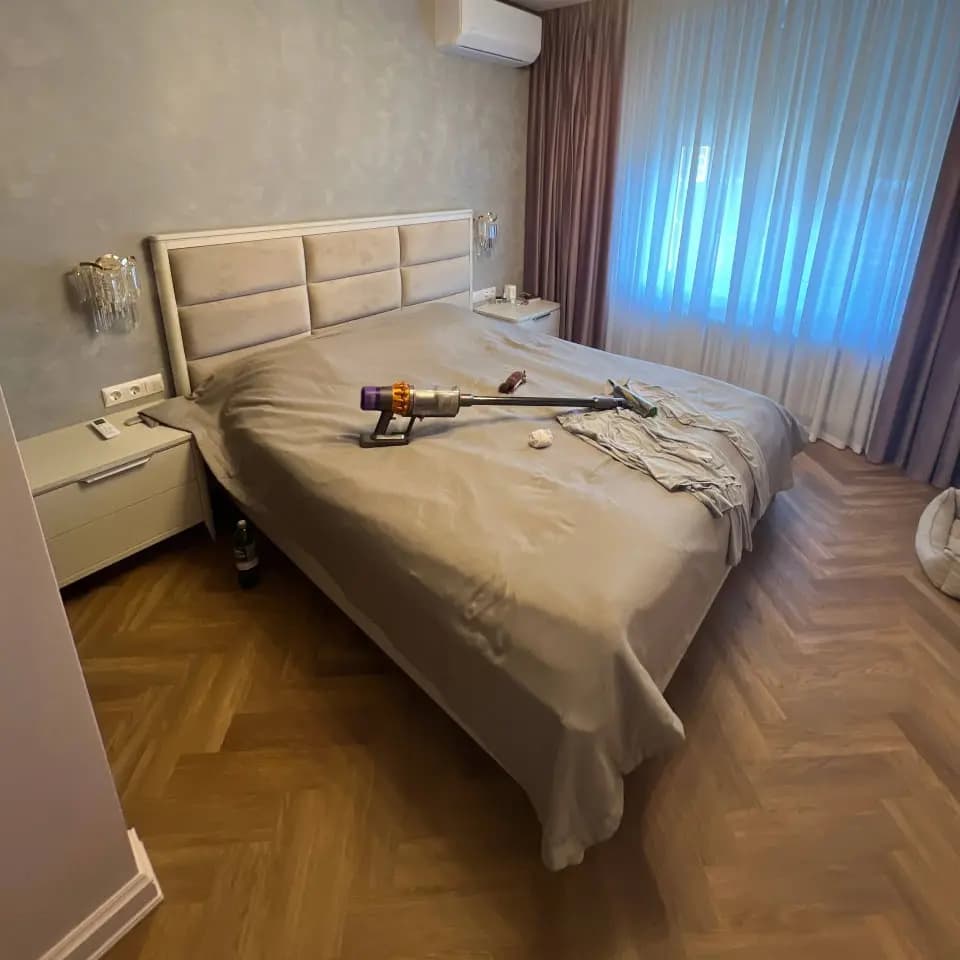
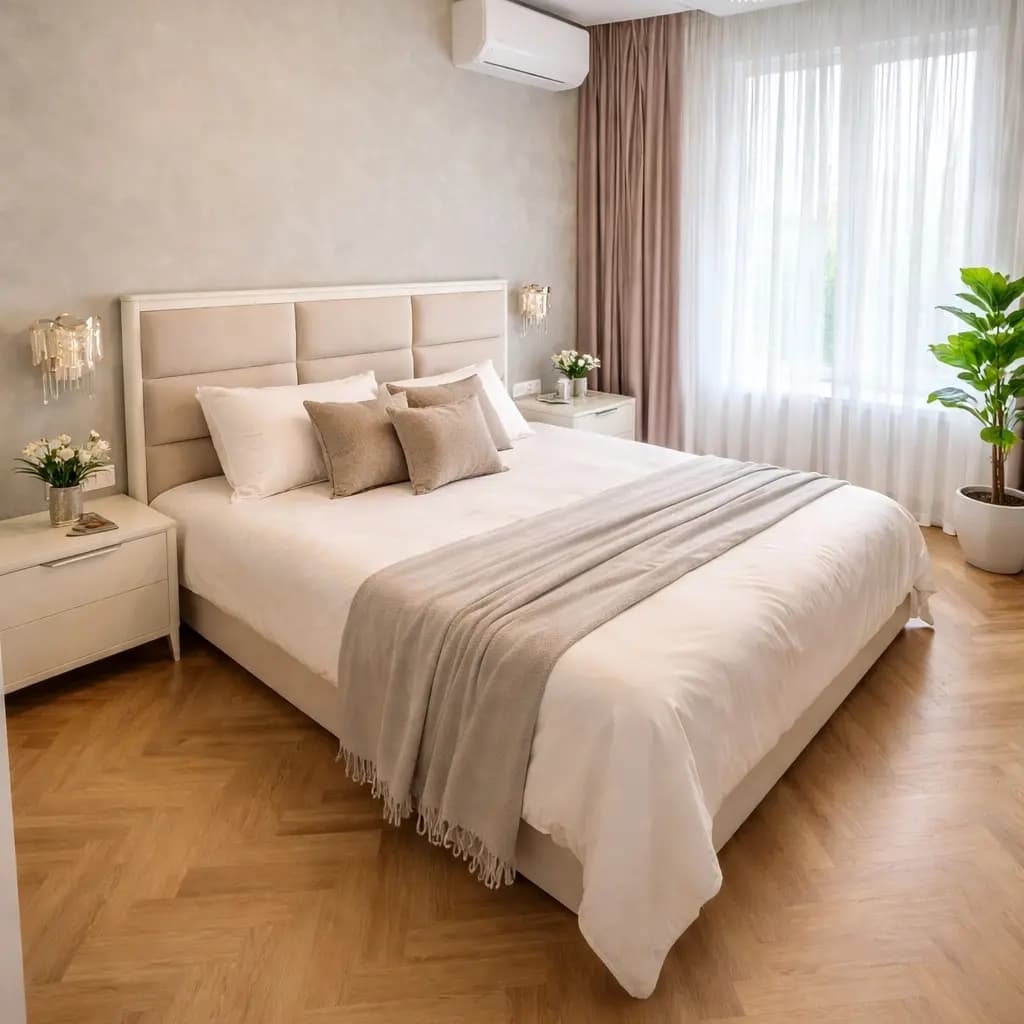
Deciding Between Indianapolis and Columbus
Always render the screened porch in Indianapolis
A teak dining set or a wicker conversation set on a Carmel screened porch or a Fishers back deck consistently outperforms a fifth interior render. Indianapolis buyers read outdoor rooms as additional living square footage and book Saturday tours based on it.
Flex render style across Columbus neighborhoods
German Village wants library-style; Short North and Italian Village want current transitional with sculptural lighting; Clintonville wants warm layered; Upper Arlington wants transitional family. One template across all four reads generic and underperforms in click-through.
Stage a credible kid's room for Indianapolis Hamilton County
School-district buyers in Carmel Clay, Hamilton Southeastern, and Zionsville want to see a credible kid's room render. A twin or full bed, a real desk, and age-appropriate styling close the school-fit question that drives much of the offer logic.
Treat the flex bonus room as an office in Columbus
Columbus buyers, especially in Worthington and Upper Arlington, want hybrid-work credibility. Convert the formal dining or a third bedroom into a defined office in the render, with a real chair, a desk at the right scale, and a layered rug to anchor it.
Move away from cool-gray builder palettes in both metros
The 2018-2022 cool-gray-on-gray template now reads dated to 2026 buyers. Brief the staging team with warm whites, sage or navy painted cabinets, walnut or oak accents, brass hardware, and oat or clay linen upholstery to land current without crossing into trend chasing.
Indianapolis vs Columbus FAQ
Is Indianapolis or Columbus more affordable for homebuyers?
Indianapolis is more affordable with a median home price of $250,000 compared to Columbus's $285,000 — a difference of $35,000 (12%). However, affordability also depends on local incomes, property taxes, and cost of living. Both markets offer opportunities for buyers at different price points.
Which market is hotter, Indianapolis or Columbus?
Columbus is currently the faster-moving market with homes averaging 32 days on market, compared to 35 days in Indianapolis. A shorter time on market typically indicates stronger buyer demand and more competition. Agents in Columbus need to list quickly — virtual staging helps get listings photo-ready in minutes, not weeks.
Should I stage my home when selling in Indianapolis or Columbus?
Absolutely — staged homes sell faster and for more money in both markets. In Indianapolis (median $250,000), even a 1-2% price increase from staging can mean thousands more at closing. In Columbus (median $285,000), the same applies. Virtual staging with Agent Lens costs just $0.10 per image, making it a no-brainer for agents in either market.
How does virtual staging help in competitive markets like Indianapolis and Columbus?
Virtual staging transforms empty rooms into beautifully furnished spaces in under 60 seconds. In competitive markets, first impressions matter — 97% of buyers start their search online. Staged listing photos get more clicks, more showings, and higher offers. At $0.10 per image, virtual staging delivers professional results at a fraction of physical staging costs ($2,000-$5,000+).
How many renders should I order for an Indianapolis Hamilton County colonial?
Five to seven renders typically earn their keep. Cover the great room, the kitchen and breakfast nook, the primary bedroom, a flex office, a credible kid's room, and one outdoor scene on the screened porch or back deck. Add a finished-basement render only if the basement is genuinely updated and dry, since builder-grade unfinished basements rarely benefit from staging.
What does a Short North or Italian Village townhome render need?
Lead with a current transitional palette: warm whites, oak floors, painted shaker cabinets in sage or navy, sculptural pendant lighting, and a tailored sofa with one accent chair. Allocate one render to the roof deck or balcony with a credible lounge or dining setup. A flex office render in the third bedroom or den answers the hybrid-work question for the dominant buyer cohort.
Are the buyer pools in Indianapolis and Columbus actually that different?
They overlap heavily on age, income, and relocation patterns, but they read photos for different evidence. Indianapolis buyers prioritize livability cues, school-district fit, and outdoor usability. Columbus buyers compare across more distinct neighborhood styles in the same shopping session and weigh kitchen and primary suite execution heavily. The render brief has to reflect those priorities rather than treating the metros as interchangeable.
Which market gets more lift from staging the kitchen versus the great room?
Columbus listings, especially in Italian Village, Worthington, and Upper Arlington, get strong lift from a kitchen render because buyers read the kitchen finish level closely. Indianapolis listings get more lift from the great-room render because the open-plan colonial layouts in Hamilton County put the great room at the center of the floor plan and buyers want to see the sectional and seating zone work.
How should I disclose virtual staging in both markets?
Use clear language in the listing description noting that furnishings and decor are virtually rendered and that the home is being sold unfurnished, alongside the standard MLS photo notation. RESA disclosure guidance has become standard practice in both metros and protects the agent and seller. Buyers in 2026 expect virtual staging and accept it readily when the disclosure is straightforward and the renders are well executed.