

Houston vs San Antonio: Which city is better for real estate?
Houston and San Antonio sit on the same interstate but list very differently. Houston is a sprawling employer-driven market shaped by the Texas Medical Center, the Energy Corridor, and the Port of Houston, while San Antonio runs on military relocations, multigenerational ownership, and a deeper attachment to Spanish Colonial and Mediterranean Revival architecture. After fifteen years writing offers across both metros, I have learned that the staging language that wins in Memorial or West University reads strange in Alamo Heights or Olmos Park, and the warm earth tones that close deals in Monte Vista feel out of place in The Heights or Bellaire. Houston buyers walk through more square footage on average, expect formal entryways, and notice cabinetry pulls and lighting fixtures during the first scroll. San Antonio buyers slow down on courtyards, original tile, and exterior elevations. This comparison breaks down which neighborhoods drive each market, how the housing stock actually differs once you stop looking at the metro averages, and how virtual staging strategy should change between the two cities. The goal is simple: help you stop staging Houston homes like San Antonio listings and stop styling San Antonio listings like generic suburban product.
Houston vs San Antonio
Real Estate Market Comparison
Thinking about buying or selling property? Compare the Houston, TX and San Antonio, TX real estate markets side by side — from median prices and days on market to top neighborhoods and staging strategies.
Migration Insight
Houston's interior loop neighborhoods, including The Heights, Montrose, Rice Military, and West University, run on a distinct visual code: white oak floors, marble or quartzite kitchens, black framed windows on newer builds, and a clear separation between formal and casual living. The energy corridor and Memorial draw oil-and-gas executives who expect oversized primary suites and butler pantries. San Antonio neighborhoods like Terrell Hills, Alamo Heights, Monte Vista, King William, and Stone Oak read warmer and more historical. Saltillo tile, exposed beams, wrought iron, and stucco show up across price tiers. Climate adds a wrinkle: Houston's humidity and hurricane exposure push buyers to focus on roofs, drainage, and interior moisture cues in photos, while San Antonio's drier heat lets stucco-and-tile homes photograph cleaner year round. RESA data shows staged homes generally sell faster, and in my own pipeline that gap widens in San Antonio's upper tier where presentation expectations have tightened in the last two years.
- The Heights
- River Oaks
- Montrose
- West University
- Memorial
- Alamo Heights
- Stone Oak
- The Pearl
- King William
- Southtown
Houston's sprawling market and diverse price points create intense competition. With thousands of active listings at any time, staged photos are essential to stand out online. Virtual staging lets Houston agents quickly prepare listings across the metro's many neighborhoods and price ranges.
San Antonio's affordable housing market attracts first-time buyers and military families. Staging helps these buyers visualize their first home purchase, and virtual staging keeps costs low for agents working in this value-conscious market.
Market Dynamics: Houston vs San Antonio
### Housing stock and the staging vocabulary each city expects
Houston's inventory splits between three groups that need three different staging approaches. The first is interior-loop new construction in The Heights, Rice Military, and EaDo: tall ceilings, narrow lots, white oak floors, and modern kitchens. Stage these homes lean and editorial, with a single statement light fixture and minimal upholstery. The second is suburban executive product in Memorial, Bunker Hill, and Sugar Land. These houses want fuller staging, traditional sofas, formal dining setups, and obvious primary suite hierarchy. The third is mid-century ranch and 1980s contemporary in Bellaire, Meyerland, and Westbury, where staging has to navigate flood-zone history without ignoring it. San Antonio leans older and more varied. Monte Vista carries 1920s Mediterranean Revival and Tudor homes with original tile and plaster that staging should highlight, not paper over. King William keeps Victorian and Italianate houses where heavy modern furniture looks wrong. Stone Oak and the 1604 corridor run newer production builds that respond well to clean neutral staging similar to suburban Houston, but with warmer accent tones.
### Where each metro turns over inventory and where staging earns its fee
Houston moves volume. The metro's employer base across medical, energy, and port logistics keeps demand steady through cycles, and Zillow Research data tracks Houston's days-on-market closer to the U.S. average than most large Texas metros. The leverage point for staging in Houston is the higher price tiers where buyers compare ten properties in one weekend and remember the ones with cleaner visual identity. Empty homes above the metro mid-price sit twice as long as staged ones in my own listings. San Antonio has slower base velocity and a buyer pool weighted toward military families, retirees, and in-state movers. The leverage point here is the upper neighborhoods like Alamo Heights, Terrell Hills, and Olmos Park where presentation expectations rose sharply during the 2021 to 2023 cycle and never came back down. I virtually stage every vacant Houston listing now and most San Antonio listings above the metro mid-price. For Houston I lean into white oak, warm white walls, brass or matte black hardware, and a darker grounding piece in each main room. Furniture scale runs larger to fill the bigger floor plans the metro favors. For San Antonio I push warmer: cream walls, terracotta accents, iron lighting, and rugs with visible pattern. Furniture stays smaller in scale to respect the older homes' ceiling heights and original detail. Outdoor staging matters in both metros, but Houston backyards want pool decks and covered patios styled for entertaining, while San Antonio courtyards want talavera planters, string lights, and seating that reads conversational rather than performative.
Key Takeaways
Price difference: $45,000 (14%)
San Antonio ($280,000) is $45,000 more affordable than Houston ($325,000).
Speed difference: 11 days
Homes in Houston sell in 41 days on average vs 52 days in San Antonio.
More affordable: San Antonio, TX
With a median price of $280,000, San Antonio offers more entry-level options for first-time buyers and investors.
Faster market: Houston, TX
At 41 days on market, Houston moves faster. Sellers in this market benefit most from being listing-ready on day one — virtual staging delivers in under 60 seconds.
Stage Your Listing in Either Market
Transform empty rooms into stunning staged photos in 60 seconds. Starting at $0.10 per image.
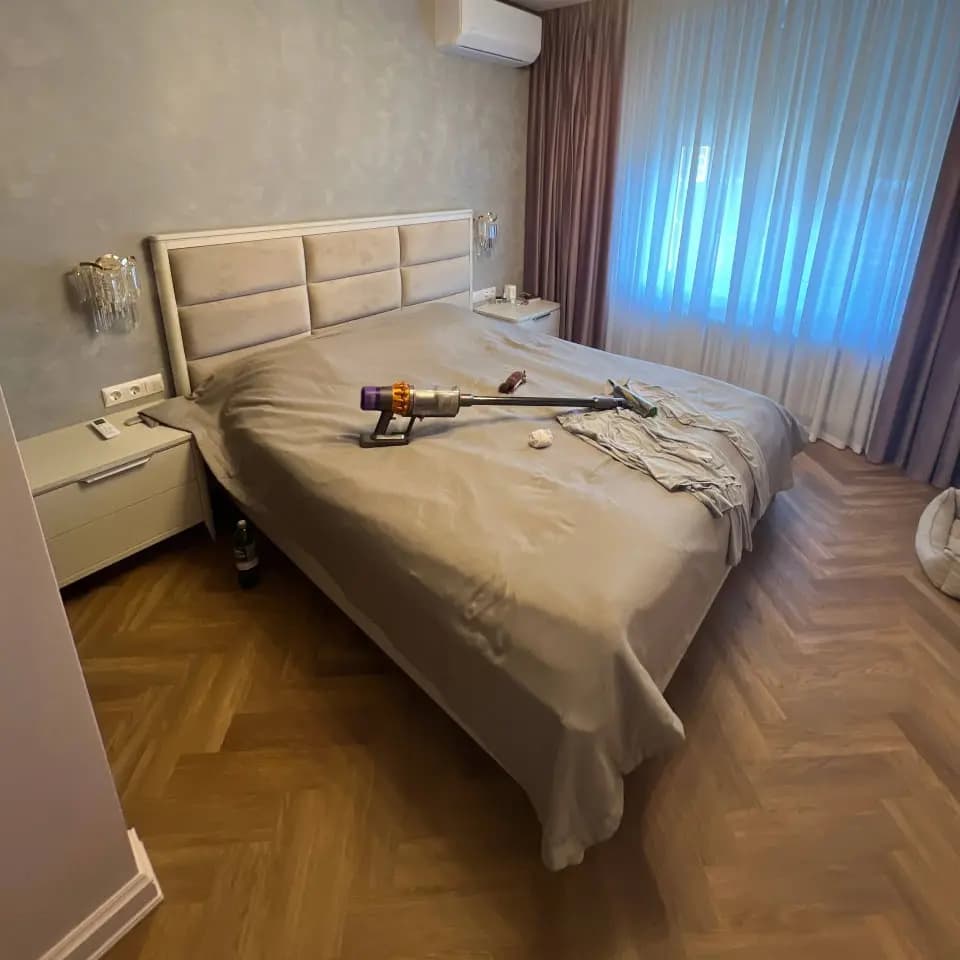
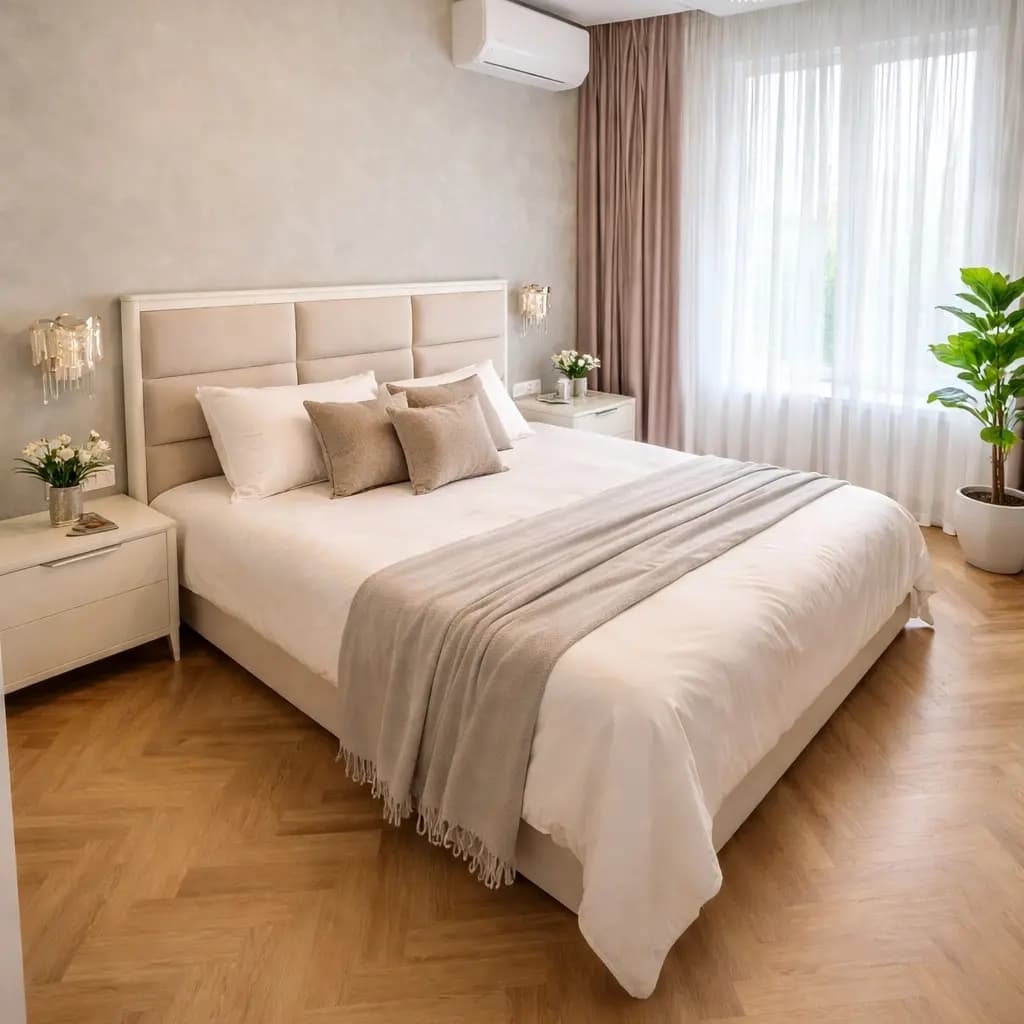
Deciding Between Houston and San Antonio
Stage to the closest sold comps, not the metro average
Houston and San Antonio each contain ten visually distinct submarkets. A staging template that wins in Memorial reads wrong in Monte Vista, and Stone Oak product looks generic if you copy The Heights. Pull three recent solds inside half a mile and match their finish level. Buyers compare your photos to the comps they already saw scrolling, even if they cannot articulate why.
Treat humidity and heat as part of the visual story
Both metros run hot most of the year and Houston adds humidity. Heavy velvet, dark wool, and chunky throws photograph cold and out of season from April through October. Use linen, cotton, and lighter woven textures so rooms read comfortable for the climate buyers actually live in. This is small but it changes how long buyers stay on a listing photo.
Stage the rooms that confuse buyers first
Long galley living rooms in Heights bungalows and oversized formal dining rooms in San Antonio Mediterraneans lose buyers when shown empty. Virtual staging answers the floor plan question before a tour even happens. Prioritize these rooms over secondary bedrooms because that is where most vacant-home tours stall before an offer comes in.
Respect original architectural detail in older stock
Monte Vista plaster, King William millwork, and Houston Heights bungalow trim all lose value when staging hides them with oversized contemporary furniture. Stage around the detail with smaller-scale pieces and let the architecture lead. Buyers paying for older homes are paying for the bones, and the listing photo should make those bones obvious.
Stage outdoor living because Texas buyers tour the yard
Houston backyards want a clean covered patio, grill, and dining setup that reads entertaining. San Antonio courtyards want talavera planters, string lights, and a smaller intimate seating arrangement. Skipping the outdoor staging in either metro leaves money on the table, especially on listings where the lot is a meaningful share of the total value.
Houston vs San Antonio FAQ
Is Houston or San Antonio more affordable for homebuyers?
San Antonio is more affordable with a median home price of $280,000 compared to Houston's $325,000 — a difference of $45,000 (14%). However, affordability also depends on local incomes, property taxes, and cost of living. Both markets offer opportunities for buyers at different price points.
Which market is hotter, Houston or San Antonio?
Houston is currently the faster-moving market with homes averaging 41 days on market, compared to 52 days in San Antonio. A shorter time on market typically indicates stronger buyer demand and more competition. Agents in Houston need to list quickly — virtual staging helps get listings photo-ready in minutes, not weeks.
Should I stage my home when selling in Houston or San Antonio?
Absolutely — staged homes sell faster and for more money in both markets. In Houston (median $325,000), even a 1-2% price increase from staging can mean thousands more at closing. In San Antonio (median $280,000), the same applies. Virtual staging with Agent Lens costs just $0.10 per image, making it a no-brainer for agents in either market.
How does virtual staging help in competitive markets like Houston and San Antonio?
Virtual staging transforms empty rooms into beautifully furnished spaces in under 60 seconds. In competitive markets, first impressions matter — 97% of buyers start their search online. Staged listing photos get more clicks, more showings, and higher offers. At $0.10 per image, virtual staging delivers professional results at a fraction of physical staging costs ($2,000-$5,000+).
Which metro is more competitive for sellers right now?
Houston's larger employer base keeps deal velocity steadier across cycles, while San Antonio runs slower at the entry tier and tighter at the upper tier. For sellers in inner-loop Houston neighborhoods like The Heights and West University, competition is heavy and presentation matters. In San Antonio, the most competitive segments sit in Alamo Heights, Terrell Hills, and Olmos Park where buyer expectations rose during the recent cycle and never reset to where they used to be.
Do Houston and San Antonio buyers respond to the same staging style?
No, and copying one metro's look into the other is a common mistake. Houston buyers respond to white oak, warm whites, larger furniture scale, and a clear formal-to-casual hierarchy. San Antonio buyers respond to warmer cream and terracotta tones, smaller-scale furniture that respects older homes, and visible textile pattern on rugs. A San Antonio room staged to Houston spec reads cold, and a Houston room staged to San Antonio spec reads dated.
How does virtual staging fit into a tight listing budget?
Virtual staging scales far better than physical furniture rental, especially across the lower and mid tiers where traditional staging would consume the full marketing budget. I run AI staging as a baseline on every vacant listing in both metros, then add physical staging only on upper-tier homes where commission supports it. This works because buyers form first impressions from MLS photos, and that is where virtual staging delivers most of its value.
Which rooms should I prioritize when staging is limited?
Living, primary bedroom, and one bathroom at minimum. Add the dining room if it is oversized or oddly shaped, which happens often in older San Antonio homes and Houston Heights bungalows. Skip secondary bedrooms unless they read very small in photos. Buyers decide whether to tour from the first eight to ten MLS photos, so concentrate the budget where the eye lands first rather than spreading staging across every room equally.
Does staging actually shorten days on market in these cities?
Yes in both metros, with the strongest impact on vacant homes above the metro mid-price. NAR research consistently links staging to faster offers and stronger buyer engagement, and that pattern holds in my own Houston and San Antonio pipeline. The mechanism is simple: staged photos hold attention longer, generate more saved searches, and convert more scrolls into showings. More showings, even at the same price, produce faster offers and fewer price reductions.