

Houston vs Phoenix: Which city is better for real estate?
Houston and Phoenix sit at opposite ends of the Sun Belt staging conversation, and agents working both markets quickly learn that humidity and aridity drive different design instincts. Houston buyers expect Acadian, Mediterranean, and Modern Farmhouse vocabularies in The Heights, Bellaire, and West University, plus elevated foundations and covered porches that handle Gulf Coast rain. Phoenix buyers expect Spanish Colonial, Ranch, and Pueblo Revival in Arcadia, North Central, and the East Valley, with shaded outdoor living and pools shaded by mesquite. After fifteen years writing offers in both metros, I treat virtual staging as a regional translator. The same vacant great room needs warm wood floors and tongue-and-groove ceilings to read as Heights craftsman, then bleached oak and terracotta accents to land in Arcadia. AgentLens lets us swap those palettes without paying for two furniture rentals. The sections below walk through buyer psychology, climate-driven priorities, and architectural vocabulary so you can brief photographers and stagers with conviction. Generic Sun Belt advice loses showings; specific neighborhood-level staging wins them. The differences show up in days-on-market within the first sixty days.
Houston vs Phoenix
Real Estate Market Comparison
Thinking about buying or selling property? Compare the Houston, TX and Phoenix, AZ real estate markets side by side — from median prices and days on market to top neighborhoods and staging strategies.
Migration Insight
Houston inventory carries a thick mix of 1920s-1940s bungalows in The Heights, 1950s-1970s ranches in Meyerland and Bellaire, and 1990s-2020s new construction in Cypress, Katy, and The Woodlands. Phoenix inventory leans on 1950s-1970s ranches in Arcadia and North Central, plus newer Spanish Colonial and Pueblo Revival in DC Ranch, Verrado, and Eastmark. Climate inverts the priorities. Houston backyards revolve around covered porches, screened-in lanais, and outdoor kitchens that handle 90 percent humidity. Phoenix backyards revolve around ramadas, misters, salt-system pools, citrus trees, and rock landscaping that survives 115-degree summers. Flood disclosure shapes Houston listings in ways Phoenix never sees, so staging that emphasizes elevated foundations and dry-storage garages signals competence to local buyers. Phoenix garages need insulation, epoxy floors, and EV charging bays. Reflect these climate-driven priorities in listing copy and staging choices, because buyers scroll quickly and the wrong outdoor cue costs the showing.
- The Heights
- River Oaks
- Montrose
- West University
- Memorial
- Scottsdale
- Arcadia
- Paradise Valley
- Tempe
- Chandler
Houston's sprawling market and diverse price points create intense competition. With thousands of active listings at any time, staged photos are essential to stand out online. Virtual staging lets Houston agents quickly prepare listings across the metro's many neighborhoods and price ranges.
Phoenix's booming market attracts relocating buyers from California and the Midwest. Desert modern and southwestern styles resonate with buyers, and staged listings sell faster in this competitive sunbelt market. Virtual staging helps showcase outdoor living spaces that are central to the Arizona lifestyle.
Market Dynamics: Houston vs Phoenix
### Buyer Psychology and Architectural Vocabulary
Houston closings track energy-sector relocations, medical-center hires, and a steady inflow from California and the Northeast. Those buyers want move-in-ready Modern Farmhouse and transitional interiors with shiplap, brass, and warm wood floors in The Heights or West University, or full Mediterranean vocabularies in Memorial and Tanglewood. Phoenix closings track retirees from the Pacific Northwest, remote workers from California, and snowbirds from the Midwest. Those buyers want shaded outdoor living, single-story floor plans, and primary suites with walk-in showers rather than soaking tubs. Staging that wins in Arcadia or North Central uses cream walls, terracotta accents, white oak, woven leather, and saguaro silhouettes. Force-fitting Houston farmhouse warmth into a Phoenix ranch makes the staging feel imported, and force-fitting Phoenix desert-modern into a Heights bungalow looks tone-deaf. Match the architectural idiom to the neighborhood.
### Climate, Inventory Velocity, and Outdoor Staging
Houston turns over fastest in suburban submarkets like Cypress, Katy, and Sugar Land, where new builds compete with resales on amenity packages. Phoenix turns over fastest in the East Valley, where Eastmark, Verrado, and Queen Creek absorb relocation demand. Outdoor staging diverges sharply. Houston listings benefit from staged covered porches with ceiling fans, outdoor kitchens with built-in grills, and screened lanais that read as mosquito-aware. Phoenix listings benefit from staged ramadas with misters, fire bowls, citrus trees, and pools shaded by mesquite or palo verde. Pool calculus differs too. Houston pools read as summer assets framed by St. Augustine lawns and tropical foliage. Phoenix pools read as year-round expectations above the entry tier, with pebble tec finishes and salt systems being the local norm. AgentLens lets you preview both outdoor staging approaches before committing to a furniture rental, so you can test the porch or the ramada before the photographer arrives. That preview saves the seller money and avoids the awkward conversation about why the staging missed the regional cue. Buyers in both metros notice within the first three photos.
Key Takeaways
Price difference: $110,000 (25%)
Houston ($325,000) is $110,000 more affordable than Phoenix ($435,000).
Speed difference: 3 days
Homes in Houston sell in 41 days on average vs 44 days in Phoenix.
More affordable: Houston, TX
With a median price of $325,000, Houston offers more entry-level options for first-time buyers and investors.
Faster market: Houston, TX
At 41 days on market, Houston moves faster. Sellers in this market benefit most from being listing-ready on day one — virtual staging delivers in under 60 seconds.
Stage Your Listing in Either Market
Transform empty rooms into stunning staged photos in 60 seconds. Starting at $0.10 per image.
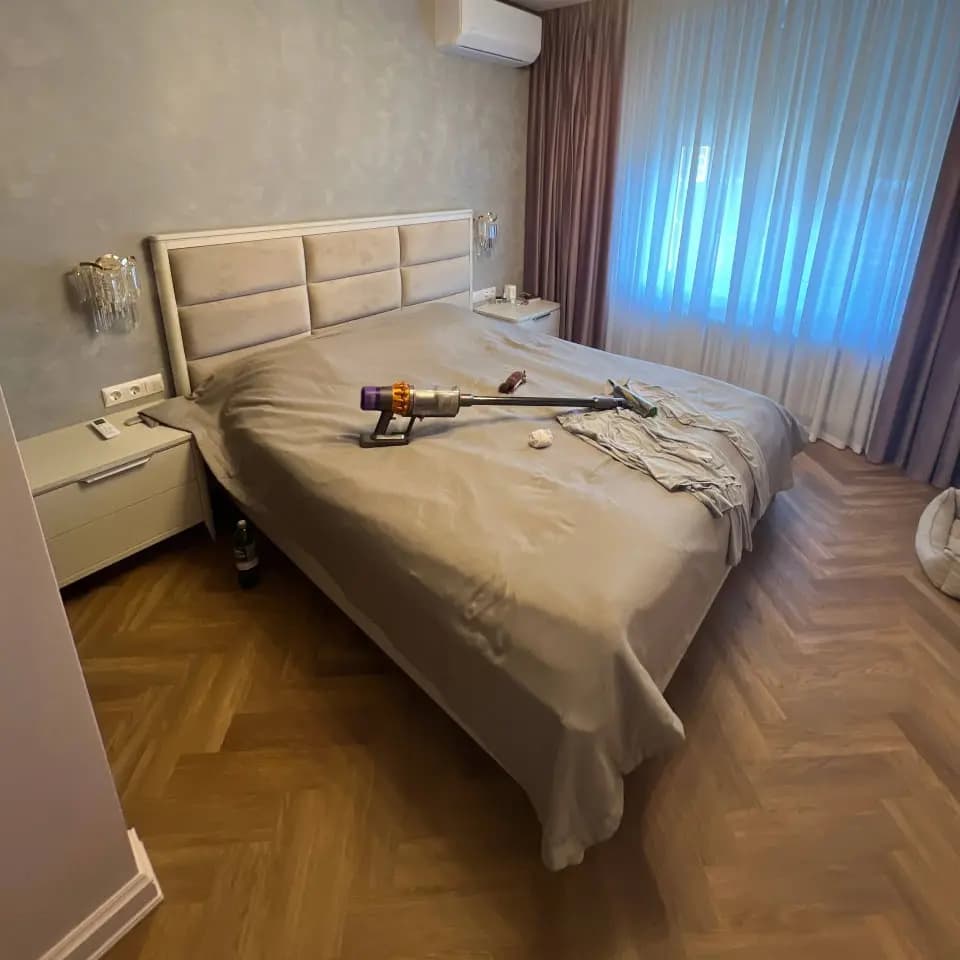
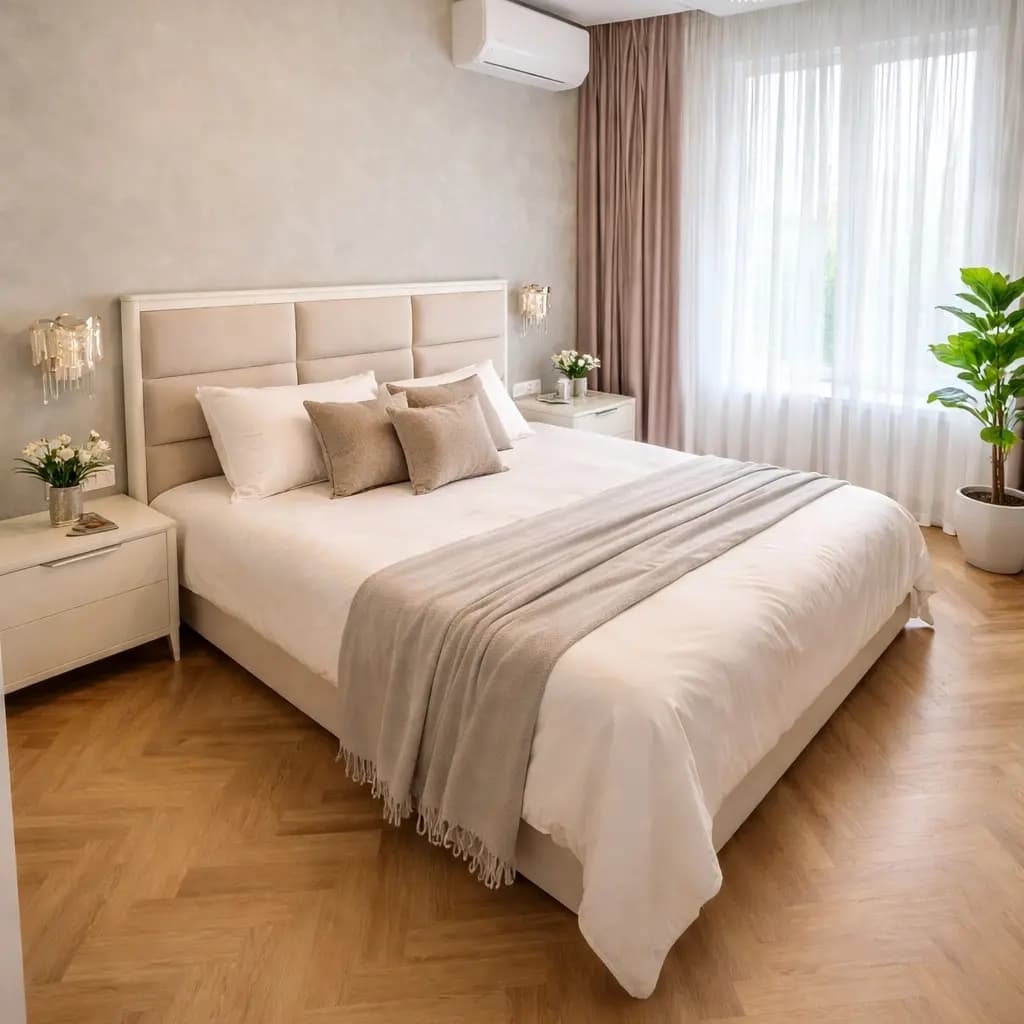
Deciding Between Houston and Phoenix
Stage Humidity Awareness in Houston
Houston buyers scrutinize covered porches, screened lanais, and dehumidified primary closets. Stage these features with ceiling fans, woven rugs, and breathable linen upholstery. Phoenix tolerates open patios because the air is dry. Match the staging to the climate the buyer actually lives in.
Choose the Right Wood Tone by Region
Houston craftsman and farmhouse interiors favor warm white oak, walnut, and reclaimed pine. Phoenix desert-modern interiors favor bleached white oak and reclaimed mesquite. Using the wrong tone makes staging look generic and signals to local buyers that the agent imported a template. Brief AgentLens with the neighborhood.
Respect the Pool Vocabulary
Stage Houston pools with chlorinated finishes, travertine decks, and tropical foliage like Mexican petunias and bird of paradise. Stage Phoenix pools with pebble tec finishes, salt systems, citrus trees, and shaded ramadas. The finish and landscape details matter to buyers who maintain pools and yards year-round.
Refresh Dated Ranch Kitchens Virtually
Many Meyerland and North Central ranches carry 80s oak cabinets and tile counters. Use AI staging to preview painted cabinets, quartz, and brass hardware before recommending a renovation budget. Sellers approve scope faster when they see the after image rather than read a contractor estimate.
Stage the Garage to Local Use
Houston buyers want garages with elevated storage shelving and dehumidifiers because humidity ruins boxed goods. Phoenix buyers want insulated garages with epoxy floors and EV charging. Stage the garage to match the metro's expectation rather than leaving it as empty bays. The staged garage often becomes a deciding cue for relocators.
Houston vs Phoenix FAQ
Is Houston or Phoenix more affordable for homebuyers?
Houston is more affordable with a median home price of $325,000 compared to Phoenix's $435,000 — a difference of $110,000 (25%). However, affordability also depends on local incomes, property taxes, and cost of living. Both markets offer opportunities for buyers at different price points.
Which market is hotter, Houston or Phoenix?
Houston is currently the faster-moving market with homes averaging 41 days on market, compared to 44 days in Phoenix. A shorter time on market typically indicates stronger buyer demand and more competition. Agents in Houston need to list quickly — virtual staging helps get listings photo-ready in minutes, not weeks.
Should I stage my home when selling in Houston or Phoenix?
Absolutely — staged homes sell faster and for more money in both markets. In Houston (median $325,000), even a 1-2% price increase from staging can mean thousands more at closing. In Phoenix (median $435,000), the same applies. Virtual staging with Agent Lens costs just $0.10 per image, making it a no-brainer for agents in either market.
How does virtual staging help in competitive markets like Houston and Phoenix?
Virtual staging transforms empty rooms into beautifully furnished spaces in under 60 seconds. In competitive markets, first impressions matter — 97% of buyers start their search online. Staged listing photos get more clicks, more showings, and higher offers. At $0.10 per image, virtual staging delivers professional results at a fraction of physical staging costs ($2,000-$5,000+).
Do Houston and Phoenix buyers respond to the same interior palette?
No. Houston buyers reward Modern Farmhouse and transitional palettes with shiplap, brass, warm wood floors, and tongue-and-groove ceilings that align with Heights and West University aesthetics. Phoenix buyers reward desert-modern palettes with terracotta, white oak, woven leather, and saguaro silhouettes. Using a Houston farmhouse palette in Arcadia makes staging look imported. Brief your virtual staging tool with the specific neighborhood, and your showing-to-offer ratio will reflect the localized approach within the first sixty days of listing.
How do outdoor staging priorities differ between the two cities?
Houston outdoor staging focuses on covered porches, screened lanais, outdoor kitchens, and pools framed by tropical foliage. Phoenix outdoor staging focuses on ramadas, misters, fire bowls, citrus trees, and pools shaded by mesquite or palo verde. The climates and use cases differ enough that copy-pasting one approach into the other looks careless to local buyers. Stage what the climate actually rewards rather than what looks good in a stock photography library or a generic furniture catalog.
Are Phoenix buyers more sensitive to dated finishes than Houston buyers?
Roughly comparable, but the renovation expectations differ. Arcadia and North Central buyers expect to renovate older ranches and reward sympathetic updates rather than full guts. Houston buyers in The Heights and Bellaire expect renovated kitchens and bathrooms in any home above the entry tier and discount visibly aged finishes more aggressively. Use virtual staging in both metros to test whether a refresh outperforms a remodel before recommending a contractor scope to the seller. The preview saves the later negotiation.
Does virtual staging work for luxury listings in both markets?
Yes, when staging respects the architectural vocabulary. Memorial and Tanglewood estates need Mediterranean vocabularies with formal dining rooms, wine display, and butler's pantry detail. Paradise Valley and Silverleaf estates need great rooms oriented toward Camelback or the McDowells, plus mudrooms and shaded outdoor living. AgentLens handles both vocabularies, but you must brief the tool with neighborhood-specific references rather than generic luxury prompts. Buyers above the jumbo threshold notice when staging looks pulled from a catalog.
Which metro rewards virtual staging more for vacant new builds?
Both, but for different reasons. Houston new builds in Cypress and Katy often look identical without staging, so AgentLens helps yours stand out in a saturated MLS feed. Phoenix new builds in Eastmark and Verrado often have neutral interiors that feel sterile without warm desert accents, so virtual staging adds the regional character buyers expect. Time on market shrinks in both metros when buyers can visualize furniture placement before scheduling a showing or requesting a virtual tour from the listing detail page.