

Honolulu vs San Diego: Which city is better for real estate?
Honolulu and San Diego both sit on the Pacific, both wear ocean light differently, and both demand a staging vocabulary that nods to indoor-outdoor living without copying each other. Honolulu listings in Kahala, Diamond Head, Hawaii Kai, and Kaka'ako reward koa wood accents, lauhala weave, and palette work that pulls from sea glass green and volcanic basalt grey. San Diego listings in La Jolla, Pacific Beach, Ocean Beach, and Encinitas respond to bleached oak, Saltillo tile, and a desert-meets-coast palette of sand, eucalyptus, and faded indigo. Agents juggling West Coast and Hawaii portfolios use AI virtual staging to keep both visual grammars distinct, because dropping generic coastal furniture into a Honolulu listing reads as a tourist condo, not a primary residence. The aistage.pro Chrome extension recognizes the architectural shell, then applies presets that protect lanai views, ocean sightlines, and trade-wind cross-ventilation cues. The result is a render that local buyers and out-of-state relocators both read as authentic, which matters because Honolulu inventory often sells to mainland buyers who never visit before offers and need staging to do the persuasion work.
Honolulu vs San Diego
Real Estate Market Comparison
Thinking about buying or selling property? Compare the Honolulu, HI and San Diego, CA real estate markets side by side — from median prices and days on market to top neighborhoods and staging strategies.
Migration Insight
Honolulu zoning in Kaka'ako and Ala Moana favors high-rises with floor-to-ceiling glass and lanai access, so virtual staging must keep furniture on a tight perimeter and let the lanai frame the ocean. Single-family homes in Manoa, Nuuanu, and Kailua sit on smaller lots with carport-style entries and original 1950s plantation woodwork that benefits from rattan, woven seagrass, and tropical hardwood. San Diego inventory clusters into three flavors: La Jolla Mediterranean revival with red-tile roofs and ironwork, mid-century post-and-beam in Bird Rock and Mount Helix, and dense townhome stock in East Village and Little Italy. Each shell asks for a different staging accent. Honolulu humidity also rules out velvet and dark woods that warp on camera; San Diego marine layer lets richer textures play. Trade winds in Hawaii mean buyers expect open floor plans without heavy drapery, while San Diego buyers tolerate layered window treatments because evening fog calls for cozier frames.
- Kailua
- Waikiki
- Manoa
- Hawaii Kai
- Kapolei
- La Jolla
- Del Mar
- North Park
- Coronado
- Encinitas
Hawaii's premium market and mainland investor audience make stunning listing photos essential. Coastal and modern styles showcase the island lifestyle buyers dream about. Virtual staging delivers luxury presentation that appeals to both local and mainland buyers searching online.
San Diego's coastal luxury market demands stunning listing photos. With median prices near $900K and a coastal lifestyle to sell, staged homes capture the aspirational San Diego lifestyle that buyers crave. Virtual staging excels at showcasing coastal and modern styles.
Market Dynamics: Honolulu vs San Diego
### Architectural Shells And Staging Vocabulary
Honolulu's Kaka'ako towers like Anaha and Park Lane offer wide-plank engineered oak floors, blackened steel kitchen accents, and panoramic glass that needs minimal furniture interference. Stage these with a sectional in stone-washed linen, a koa wood coffee table with rounded corners, and a single sculptural floor lamp that does not block the horizon line. Older Manoa and Kaimuki bungalows built in the 1930s and 1940s come with double-hung wood windows, narrow-board fir floors, and small footprint living rooms that benefit from a loveseat plus two chairs rather than a full sectional. San Diego shells split between La Jolla Mediterranean homes that ask for arched openings to stay clear and rift oak case goods, and Pacific Beach beach bungalows that take a lighter touch with white-painted shiplap, jute rugs, and slipcovered cotton seating. The two cities share a tolerance for plants on camera, but Honolulu prefers monstera and ti leaf while San Diego reads better with olive trees and snake plants.
### Buyer Pools, Workflow, And Render Strategy
Honolulu buyers split into local owner-occupants priced out of single-family stock, mainland relocators chasing tax migration, and Asia-Pacific investors using condos as second homes. Each pool reads staging differently: locals want a lived-in feel with practical storage cues, mainland relocators want a vacation-grade aesthetic that confirms the move was worth it, and investors want neutral furniture that photographs well for short-term rental listings. AI virtual staging on aistage.pro lets a Honolulu agent generate three variants from one empty room photo and assign each to the right marketing channel. San Diego agents serve a different mix: tech relocators from Seattle and the Bay Area, military families with VA-loan timelines, and downsizers from Orange County. They need staging that emphasizes home offices, primary suite separation from secondary bedrooms, and outdoor entertaining zones. The workflow advantage on aistage.pro is the saved style presets per market, so a multi-state team can render twenty listings on a Sunday night and have MLS-ready frames by Monday morning. Both cities reward agents who upload finished renders to Zillow and Compass before the first weekend of showings.
Key Takeaways
Price difference: $170,000 (19%)
Honolulu ($720,000) is $170,000 more affordable than San Diego ($890,000).
Speed difference: 15 days
Homes in San Diego sell in 33 days on average vs 48 days in Honolulu.
More affordable: Honolulu, HI
With a median price of $720,000, Honolulu offers more entry-level options for first-time buyers and investors.
Faster market: San Diego, CA
At 33 days on market, San Diego moves faster. Sellers in this market benefit most from being listing-ready on day one — virtual staging delivers in under 60 seconds.
Stage Your Listing in Either Market
Transform empty rooms into stunning staged photos in 60 seconds. Starting at $0.10 per image.
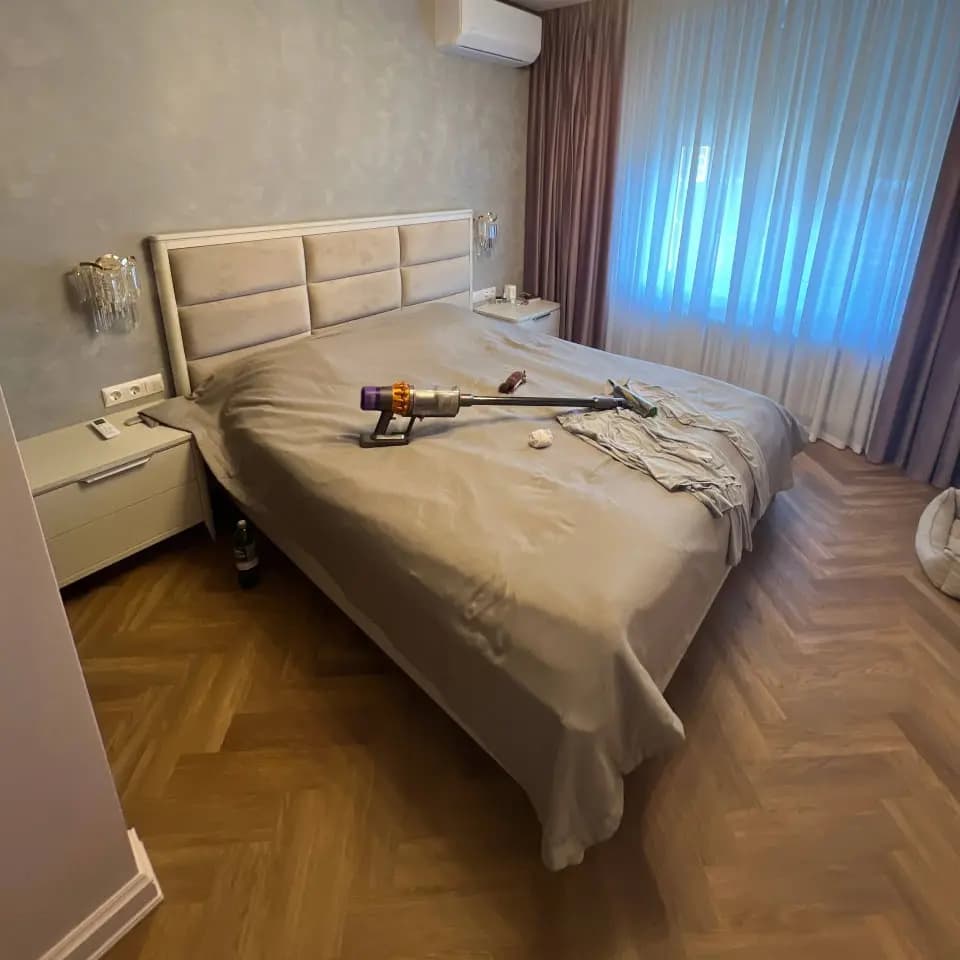
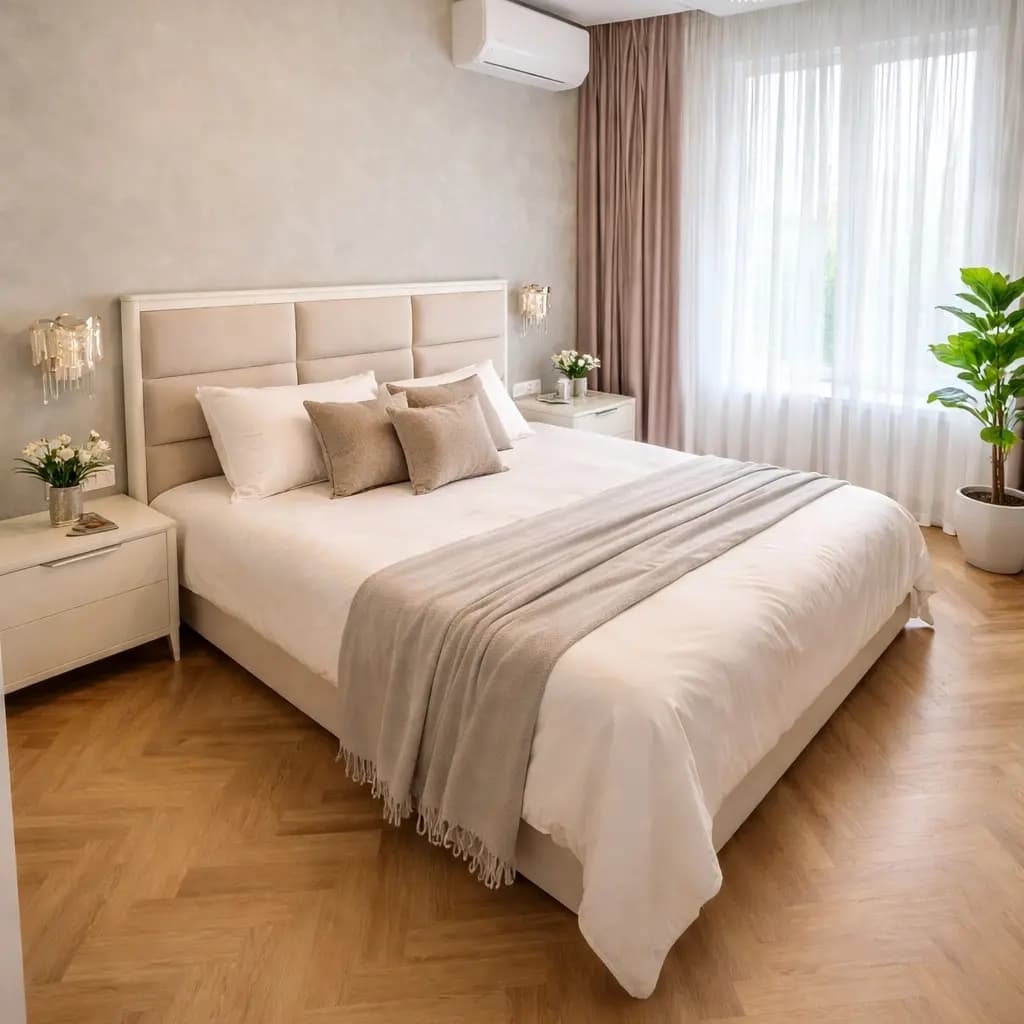
Deciding Between Honolulu and San Diego
Render Honolulu lanai vignettes with a single rattan
Render Honolulu lanai vignettes with a single rattan armchair and a ceramic planter so the ocean view stays unblocked.
For San Diego Mediterranean homes, leave arched doorways
For San Diego Mediterranean homes, leave arched doorways empty and stage the room beyond as the focal vignette.
Use koa wood and lauhala accents in Honolulu
Use koa wood and lauhala accents in Honolulu primaries; switch to rift oak and merino wool throws for San Diego primaries.
Skip dark velvet in Honolulu renders because humidity-coded
Skip dark velvet in Honolulu renders because humidity-coded buyers read it as inappropriate for the climate.
Add eucalyptus, olive, and lavender plant accents in
Add eucalyptus, olive, and lavender plant accents in San Diego exterior renders to reinforce drought-tolerant landscaping cues.
Honolulu vs San Diego FAQ
Is Honolulu or San Diego more affordable for homebuyers?
Honolulu is more affordable with a median home price of $720,000 compared to San Diego's $890,000 — a difference of $170,000 (19%). However, affordability also depends on local incomes, property taxes, and cost of living. Both markets offer opportunities for buyers at different price points.
Which market is hotter, Honolulu or San Diego?
San Diego is currently the faster-moving market with homes averaging 33 days on market, compared to 48 days in Honolulu. A shorter time on market typically indicates stronger buyer demand and more competition. Agents in San Diego need to list quickly — virtual staging helps get listings photo-ready in minutes, not weeks.
Should I stage my home when selling in Honolulu or San Diego?
Absolutely — staged homes sell faster and for more money in both markets. In Honolulu (median $720,000), even a 1-2% price increase from staging can mean thousands more at closing. In San Diego (median $890,000), the same applies. Virtual staging with Agent Lens costs just $0.10 per image, making it a no-brainer for agents in either market.
How does virtual staging help in competitive markets like Honolulu and San Diego?
Virtual staging transforms empty rooms into beautifully furnished spaces in under 60 seconds. In competitive markets, first impressions matter — 97% of buyers start their search online. Staged listing photos get more clicks, more showings, and higher offers. At $0.10 per image, virtual staging delivers professional results at a fraction of physical staging costs ($2,000-$5,000+).
How should agents stage Kaka'ako high-rise condos virtually?
Keep furniture pulled at least three feet from the glass so the lanai and ocean view drive the frame. Use a low-profile sectional in linen or canvas, a koa or oak coffee table with rounded edges, and one piece of original-style art referencing local artists. Skip heavy drapery because trade winds and panoramic glass are the selling features. A dining vignette with four chairs and a hanging rattan pendant reads better than a six-seat formal table.
What staging mistakes should San Diego coastal listings avoid?
Avoid generic Florida-style staging with bright turquoise and palm-print pillows because it reads as Airbnb rather than primary residence. Skip overstuffed sectionals in small bungalows because they swallow the room on camera. Do not stage Spanish Revival homes with mid-century furniture because the visual conflict signals to buyers that the agent does not understand the architecture, which lowers trust and saved-listing rates.
Which neighborhoods need different staging treatments?
In Honolulu, Kahala and Diamond Head reward elevated traditional staging with koa accents, while Kaka'ako and Ala Moana need contemporary minimal treatments. In San Diego, La Jolla and Mission Hills want Mediterranean revival staging, North Park and South Park want craftsman or mid-century, and East Village and Little Italy want urban contemporary. Mismatch any of these and the listing photographs feel disconnected from the architectural reality buyers see at the open house.
Do mainland buyers and local Honolulu buyers respond to the same renders?
Not quite. Mainland relocators want renders that signal vacation-grade lifestyle with lanai dining vignettes, plant-forward styling, and ocean horizon emphasis. Local owner-occupants want practical cues like a real laundry area, storage solutions, and a functional kitchen layout because they know island living means hauling groceries up an elevator. AI virtual staging on aistage.pro lets agents produce both variants from one photo set and route each to the right marketing channel.
Can one platform handle both Hawaii and California staging styles?
Yes. AgentLens supports saved style presets per market, so a single agent license covers both Honolulu and San Diego workflows without rebuilding prompts. The Chrome extension reads the empty-room photo, applies the relevant style preset, and exports at MLS-ready resolution for both Hawaii Information Service and California Regional MLS. Credit pools are shared, so a portfolio team can batch process listings across both states in one session.