

Honolulu vs Miami: Which city is better for real estate?
Honolulu and Miami get lumped together as warm-weather coastal markets, but the architecture, buyer language, and staging grammar differ in ways that punish lazy comparisons. Miami listings in Brickell, Coconut Grove, Coral Gables, and Sunny Isles speak Art Deco curves, terrazzo, lacquer, and brass with high-contrast palettes pulled from South Beach pastels and tropical sunsets. Honolulu listings in Kahala, Diamond Head, Kaka'ako, and Manoa speak Hawaiian regional modernism, koa hardwood, lauhala weave, and palettes drawn from sea glass, volcanic basalt, and ti leaf. Agents working both markets through national luxury brokerages need staging that respects each city's design DNA, because a Miami glam render dropped into a Kahala listing reads as cruise-ship gaudy and tanks saved-listing rates. AI virtual staging on aistage.pro keeps the two grammars distinct through saved style presets, then renders both at MLS-ready resolution within minutes. The Chrome extension reads the empty-room photo, applies the right preset, and outputs files sized for Miami MLS, Hawaii Information Service, Zillow, and Compass without the agent leaving a single browser tab.
Honolulu vs Miami
Real Estate Market Comparison
Thinking about buying or selling property? Compare the Honolulu, HI and Miami, FL real estate markets side by side — from median prices and days on market to top neighborhoods and staging strategies.
Migration Insight
Miami sells through tower architecture along Biscayne Bay, single-family Mediterranean estates in Coral Gables and Pinecrest, and Art Deco low-rises in South Beach and Mid-Beach. Buyers expect glossy floors, curved seating, brass inlays, and palettes that telegraph lifestyle aspiration. HOA rules in many Brickell and Edgewater towers restrict balcony furniture choices, so virtual staging must respect those guidelines. Honolulu sells through high-rises in Kaka'ako and Ala Moana, single-family plantation-era homes in Manoa and Nuuanu, and oceanfront estates in Kahala and Diamond Head. Buyers expect koa accents, lauhala weave, and trade-wind-friendly open layouts with minimal heavy drapery. Humidity in both cities rules out untreated dark woods, but Miami tolerates bolder color stories while Honolulu prefers tonal palettes that defer to outdoor landscape. International buyer pools also differ: Miami pulls from Latin America and Europe, Honolulu pulls from Japan, Korea, and the U.S. mainland, which shapes the visual cues each render should emphasize.
- Kailua
- Waikiki
- Manoa
- Hawaii Kai
- Kapolei
- Brickell
- Coral Gables
- Coconut Grove
- South Beach
- Wynwood
Hawaii's premium market and mainland investor audience make stunning listing photos essential. Coastal and modern styles showcase the island lifestyle buyers dream about. Virtual staging delivers luxury presentation that appeals to both local and mainland buyers searching online.
Miami's international buyer pool and luxury condo market make professional staging essential. Coastal and modern styles dominate Miami listings, and staged properties capture attention from global investors browsing online. Virtual staging helps Miami agents appeal to buyers who may never visit in person before offering.
Market Dynamics: Honolulu vs Miami
### Design DNA And Material Palette
Miami staging leans on contrast: a black lacquer dining table against a white terrazzo floor, a cobalt velvet sofa against cream walls, a brass pendant against floor-to-ceiling impact glass. The visual language pulls from Art Deco's curves, Mediterranean Revival's wrought iron, and contemporary glam's metallic finishes. Coconut Grove and Coral Gables single-family homes ask for slightly more traditional staging with carved wood accents and patterned area rugs, while Brickell and Edgewater towers ask for streamlined contemporary pieces. Honolulu staging leans on tonality: warm oak floors meeting linen sofas, lauhala wall hangings against off-white plaster, ceramic vessels in matte unglazed finishes. The visual language pulls from Hawaiian regional modernism shaped by architects like Vladimir Ossipoff, plus contemporary minimalism that lets the ocean and mountain views carry weight. Kaka'ako towers ask for sculptural minimalism, while Manoa and Nuuanu single-family homes ask for plantation-era references with rattan, koa, and woven seating.
### Buyer Behavior And Listing Workflow
Miami buyers often purchase sight unseen from Buenos Aires, Bogota, or Sao Paulo, and they rely on staged photos plus video walkthroughs to make offer decisions. The render needs to communicate aspirational lifestyle within four to six hero frames because most international buyers scroll on mobile during business hours in different time zones. Honolulu buyers split between mainland relocators who fly in for one weekend of showings and Asian investors who often buy through local agents acting as proxies. Both pools need staging that confirms the property is a primary residence rather than a generic vacation rental, which means kitchens with real cookware cues, primary bedrooms with adult-coded furniture, and offices that show how remote work fits the layout. AI virtual staging on aistage.pro accelerates the workflow because one empty-room photo produces both a Miami glam variant and a Honolulu regional modern variant when an agent serves multi-market investor clients. Both cities reward listings that publish complete photo sets by Tuesday morning so weekend open-house traffic and online saved-listing rates align before the first showing window.
Key Takeaways
Price difference: $130,000 (18%)
Miami ($590,000) is $130,000 more affordable than Honolulu ($720,000).
Speed difference: 6 days
Homes in Honolulu sell in 48 days on average vs 54 days in Miami.
More affordable: Miami, FL
With a median price of $590,000, Miami offers more entry-level options for first-time buyers and investors.
Faster market: Honolulu, HI
At 48 days on market, Honolulu moves faster. Sellers in this market benefit most from being listing-ready on day one — virtual staging delivers in under 60 seconds.
Stage Your Listing in Either Market
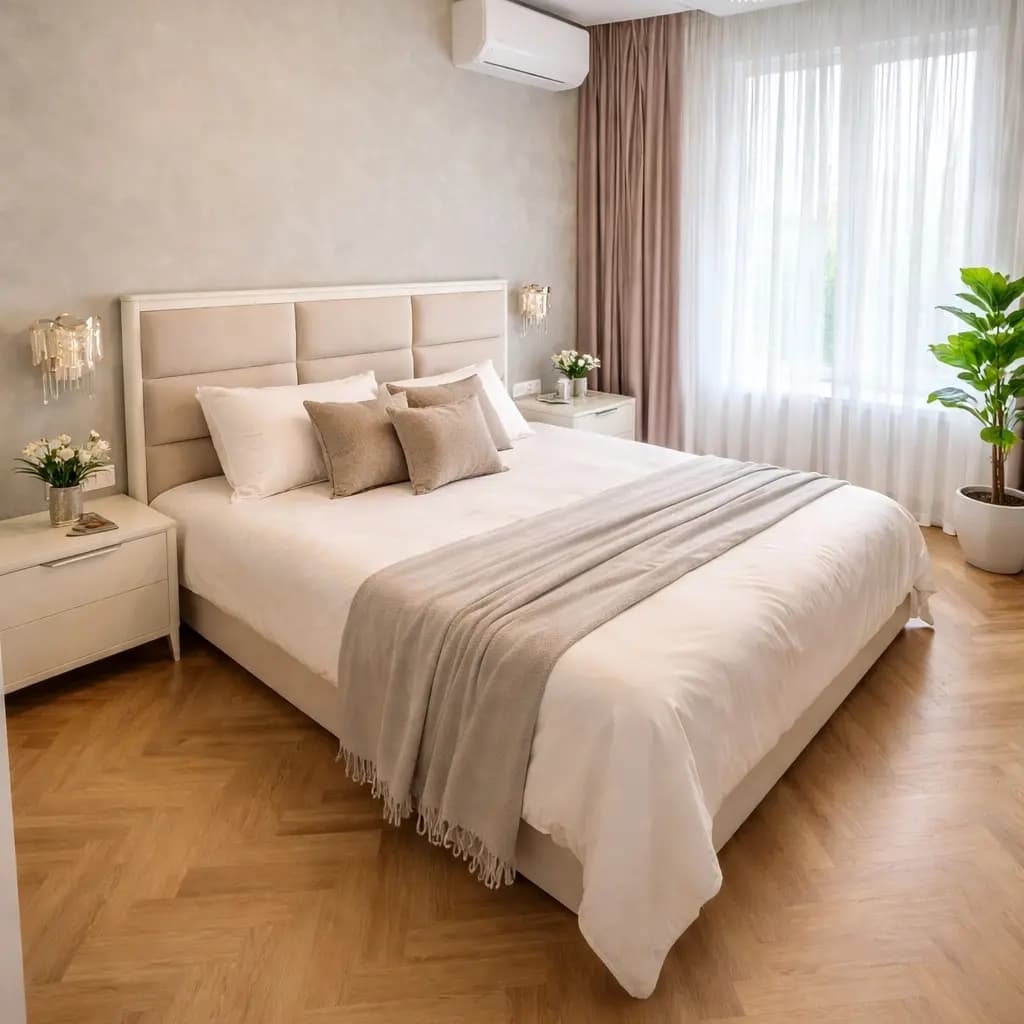
Transform empty rooms into stunning staged photos in 60 seconds. Starting at $0.10 per image.
Deciding Between Honolulu and Miami
Render Miami balconies with curved rattan loungers and
Render Miami balconies with curved rattan loungers and a brass side table to telegraph Brickell-style lifestyle.
For Honolulu lanais, use a single rattan armchair
For Honolulu lanais, use a single rattan armchair plus a koa side table so the ocean horizon stays the hero.
Skip cobalt and emerald accents in Honolulu renders;
Skip cobalt and emerald accents in Honolulu renders; they fight the natural palette and read as imported, not local.
Use brass and lacquer for Miami primaries; switch
Use brass and lacquer for Miami primaries; switch to oxidized bronze and lauhala for Honolulu primaries.
Keep Miami dining vignettes at six chairs minimum;
Keep Miami dining vignettes at six chairs minimum; keep Honolulu dining vignettes at four chairs to match local floor plans.
Honolulu vs Miami FAQ
Is Honolulu or Miami more affordable for homebuyers?
Miami is more affordable with a median home price of $590,000 compared to Honolulu's $720,000 — a difference of $130,000 (18%). However, affordability also depends on local incomes, property taxes, and cost of living. Both markets offer opportunities for buyers at different price points.
Which market is hotter, Honolulu or Miami?
Honolulu is currently the faster-moving market with homes averaging 48 days on market, compared to 54 days in Miami. A shorter time on market typically indicates stronger buyer demand and more competition. Agents in Honolulu need to list quickly — virtual staging helps get listings photo-ready in minutes, not weeks.
Should I stage my home when selling in Honolulu or Miami?
Absolutely — staged homes sell faster and for more money in both markets. In Honolulu (median $720,000), even a 1-2% price increase from staging can mean thousands more at closing. In Miami (median $590,000), the same applies. Virtual staging with Agent Lens costs just $0.10 per image, making it a no-brainer for agents in either market.
How does virtual staging help in competitive markets like Honolulu and Miami?
Virtual staging transforms empty rooms into beautifully furnished spaces in under 60 seconds. In competitive markets, first impressions matter — 97% of buyers start their search online. Staged listing photos get more clicks, more showings, and higher offers. At $0.10 per image, virtual staging delivers professional results at a fraction of physical staging costs ($2,000-$5,000+).
Why do Miami and Honolulu need different staging styles?
The architecture, buyer pools, and design DNA diverge sharply. Miami pulls from Art Deco, Mediterranean Revival, and contemporary glam with high-contrast palettes. Honolulu pulls from Hawaiian regional modernism with tonal palettes that defer to ocean and mountain views. Mismatching the two signals to buyers that the agent does not understand the local market, which lowers trust and reduces saved-listing rates on Zillow and Compass syndication channels.
What materials work in both Miami and Honolulu staging?
Rattan, woven seagrass, ceramic vessels in matte finishes, linen upholstery, and oak case goods work in both cities. Avoid untreated dark walnut because humidity in both markets warps the look on camera. Skip velvet entirely in Honolulu and use it sparingly in Miami. Brass works beautifully in Miami but reads as imported in Honolulu, where oxidized bronze and blackened steel translate better to local buyer expectations.
How do international buyer pools shape staging decisions?
Miami's Latin American and European buyers respond to aspirational glam with curved seating, lacquer accents, and metallic finishes that telegraph tower-life prestige. Honolulu's mainland and Asian buyer pools respond to refined minimalism that lets the natural setting carry the listing. AI virtual staging on aistage.pro lets agents produce both variants from one photo set, so a luxury team can route the right render to the right buyer pool through MLS, portal syndication, and direct-mail campaigns.
Which rooms drive saved-listing rates in each market?
In Miami, the open-plan living-dining-kitchen with balcony view, the primary suite, and a twilight pool deck render drive engagement. In Honolulu, the lanai-living connection, the primary suite, and the kitchen showing how appliances fit local layouts drive engagement. Stage these three frames first in both cities, then add secondary bedrooms and offices only if the photographer captured them with usable natural light and clean composition.
Can one agent license cover both Miami and Honolulu workflows?
Yes. AgentLens supports saved style presets per market, so a national luxury team can render Miami glam and Honolulu regional modern from one account without rebuilding prompts. The Chrome extension reads each empty-room photo, applies the right preset, and exports at MLS-compliant resolution for both Miami Association of Realtors and Hawaii Information Service feeds. Credit pools are shared, so cross-market agents can batch process listings in a single session.