

Denver vs Salt Lake City: Which city is better for real estate?
Denver and Salt Lake City share a mountain backdrop, ski-adjacent buyer profile, and high-altitude light, which is exactly why agents miss the differences. After fifteen years working both Front Range and Wasatch listings, I can tell you the two markets want distinct rooms. Denver inventory across Sloan's Lake, Berkeley, and Park Hill leans toward 1920s brick bungalows, mid-century ranches, and modern row homes in RiNo and Stapleton. Salt Lake inventory across the Avenues, Sugar House, and 9th and 9th delivers older Victorians, brick cottages, and post-war ranches with finished basements that handle the city's longer winters differently. Buyer expectations diverge on basement use, garage scale, and outdoor living. Denver buyers want patios staged as a third living room from April through October. Salt Lake buyers want the basement staged as a true family room because winter pushes interior living harder. The architecture vocabulary also shifts. Denver rewards Western Modern with terracotta, walnut, and matte black. Salt Lake rewards a slightly cooler palette with soft sage, oak, and muted brass that respects the Wasatch light. AgentLens handles the dialect switch with named presets per metro, so cross-border agents do not blur the two looks together.
Denver vs Salt Lake City
Real Estate Market Comparison
Thinking about buying or selling property? Compare the Denver, CO and Salt Lake City, UT real estate markets side by side — from median prices and days on market to top neighborhoods and staging strategies.
Migration Insight
Denver's brick bungalows in Berkeley and Highlands have the long, narrow center room I mentioned earlier that needs a round dining table to break the tunnel effect. Salt Lake's Avenues homes, by contrast, often deliver tighter living rooms with original built-in bookcases flanking a small fireplace. I stage those rooms with a 72-inch sofa, a single accent chair, and matching task lighting on either side of the fireplace, leaving the built-ins styled with real books rather than decorative props. Wasatch winters also change the basement conversation. A Sugar House or Millcreek finished basement reads as a primary family room from November through March, so I stage it with a real sectional, a coffee table, and a kid-friendly play zone rather than as a guest suite. Denver's basements function more as flex space, since outdoor living absorbs more of the year. AgentLens lets you tag basement scenes with metro-specific intent, so the staged photo sells the right room.
- Cherry Creek
- LoHi
- Washington Park
- RiNo
- Highland
- Sugar House
- The Avenues
- Liberty Park
- Park City
- Draper
Denver's outdoor-lifestyle market attracts young professionals and families from both coasts. Modern and contemporary styles dominate buyer preferences, and staged listings stand out in a competitive market that values clean, aspirational aesthetics.
Salt Lake City's booming tech scene and outdoor lifestyle attract young professionals and families. Modern and mountain contemporary styles appeal to buyers in this growing market. Virtual staging helps agents present the aspirational Utah lifestyle to relocating buyers.
Market Dynamics: Denver vs Salt Lake City
### Architecture and the staging response each market expects
Denver's pre-war stock concentrates in Berkeley, Highlands, Washington Park, and Park Hill, with brick bungalows and Tudor revivals dominating. Buyers there want original hardwood floors visible, unpainted brick fireplaces, and coved ceilings respected in render. Stage with walnut case goods, terracotta or rust textiles, and matte black hardware. Mid-century ranches in Hilltop and Krisana Park need lower-profile sectionals and clerestory window respect. Newer RiNo and Stapleton builds favor white oak, bouclé, and modern farmhouse vocabulary. Salt Lake's stock concentrates in the Avenues, Federal Heights, Sugar House, and 9th and 9th. The Avenues delivers Victorians and Edwardian cottages with original woodwork that buyers protect fiercely. Stage those rooms with cooler-toned upholstery in sage or dusty navy, paired with oak or pine furniture and aged brass hardware. Sugar House brick cottages photograph well with a slightly warmer palette but stop short of Denver's Western Modern saturation.
### Outdoor living, basements, and seasonal staging logic
Denver's patio season runs roughly mid-March through early November, so exterior staging is mandatory year-round on the listing. A Park Hill or Sloan's Lake patio with a low fire feature, two lounge chairs, and a weather-grade rug photographs as core living space and converts in click-through. Salt Lake's patio season runs shorter, roughly May through September, and buyers there weight the finished basement higher than the patio for year-round livability. Stage the basement as a real family room with a sectional, a coffee table, and visible storage solutions. Do not pretend the patio carries the listing the way it does in Denver. Garages also differ. Denver's older bungalows often have detached garages off the alley, which I stage as part of the rear yard composition. Salt Lake homes more frequently have attached or under-house garages, which need a clean utility-room render rather than a styled outdoor moment. AgentLens stores both the seasonal and architectural presets so the same agent does not import a Denver patio look into a Sugar House listing.
Key Takeaways
Price difference: $60,000 (10%)
Salt Lake City ($515,000) is $60,000 more affordable than Denver ($575,000).
Speed difference: 3 days
Homes in Denver sell in 34 days on average vs 37 days in Salt Lake City.
More affordable: Salt Lake City, UT
With a median price of $515,000, Salt Lake City offers more entry-level options for first-time buyers and investors.
Faster market: Denver, CO
At 34 days on market, Denver moves faster. Sellers in this market benefit most from being listing-ready on day one — virtual staging delivers in under 60 seconds.
Stage Your Listing in Either Market
Transform empty rooms into stunning staged photos in 60 seconds. Starting at $0.10 per image.
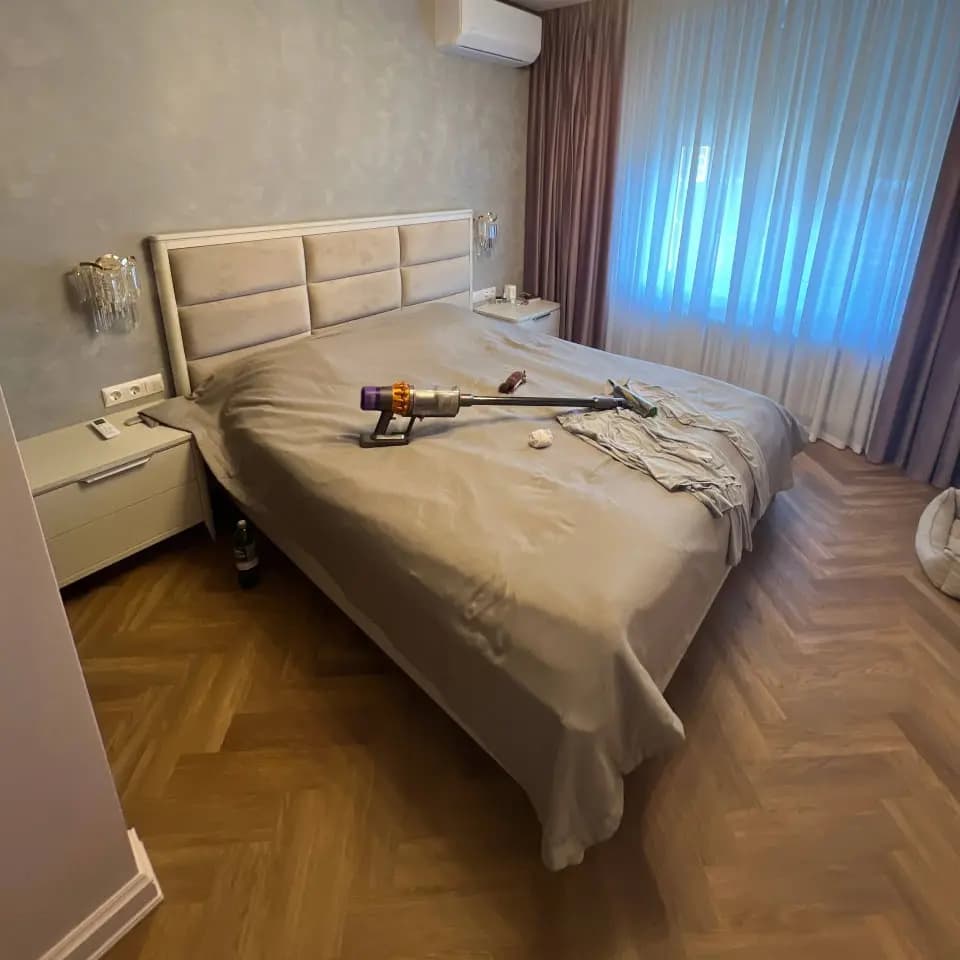
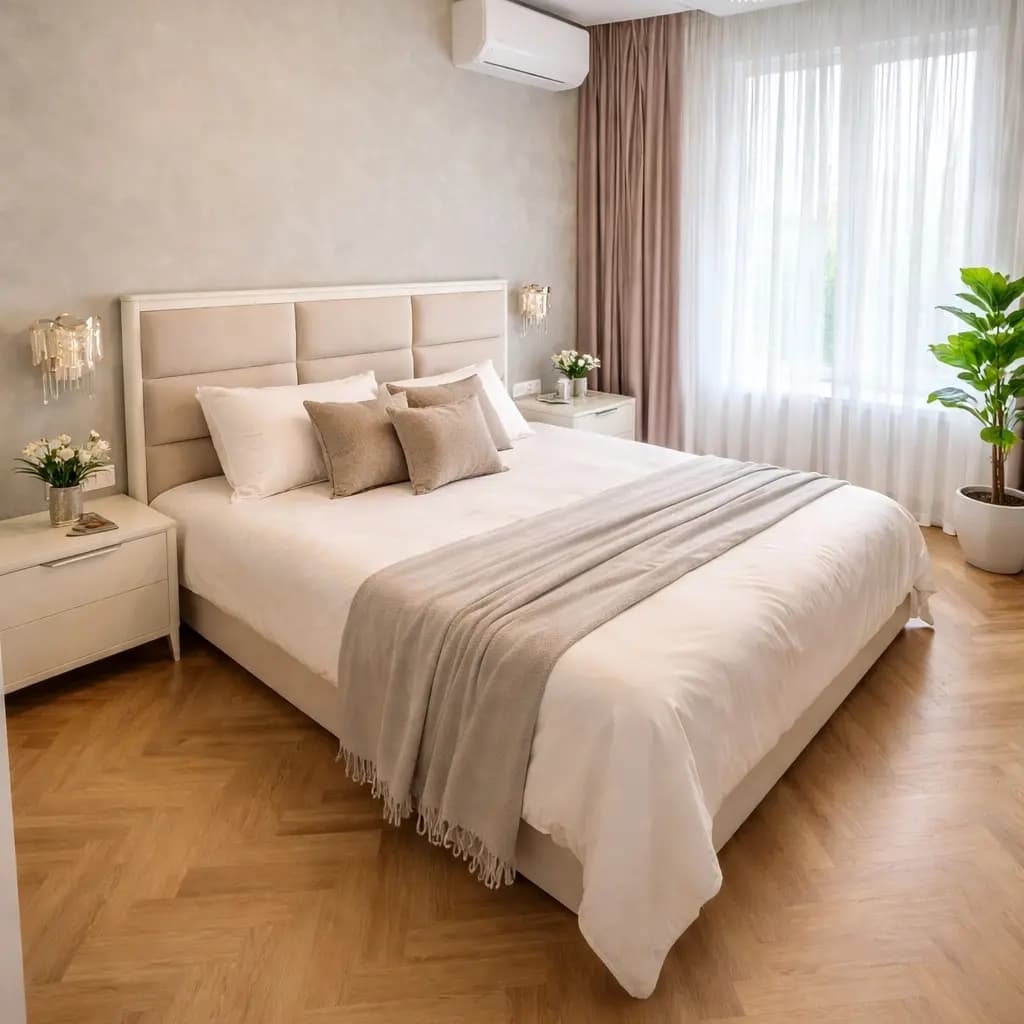
Deciding Between Denver and Salt Lake City
Stage the Salt Lake basement as a primary family room
Wasatch winters push interior living from November through March. Render the basement with a real sectional, a coffee table, and a clear play or media zone rather than treating it as a guest suite or storage flex. Buyers in Sugar House and Millcreek evaluate basements as core living space.
Stage the Denver patio as a third living room
Front Range patio season runs eight months a year. A staged patio with a low fire feature, two lounge chairs, and a weather-grade rug outperforms an additional bedroom shot in click-through across most Denver neighborhoods, especially Park Hill and Sloan's Lake.
Respect Avenues woodwork in render
Salt Lake's Avenues Victorians and Edwardian cottages have original fir and oak millwork that buyers protect. Do not virtually paint or stain over it. Stage with cooler-toned textiles that complement the existing wood tone, and let the millwork stay as the room's anchor in every frame.
Use round tables in narrow Denver bungalow dining rooms
Berkeley and Washington Park bungalows have a long center dining room that reads as a hallway when staged with a rectangular table. A round pedestal table for four breaks the tunnel and signals the home can host. Apply the same fix in Highlands and West Highland.
Cool the Salt Lake palette one shade
Wasatch light runs slightly cooler than Front Range light, especially November through April. Pull saturation back from Denver's terracotta and rust toward sage, dusty navy, and oak. Aged brass works in both metros, but matte black reads heavier in Salt Lake than in Denver.
Denver vs Salt Lake City FAQ
Is Denver or Salt Lake City more affordable for homebuyers?
Salt Lake City is more affordable with a median home price of $515,000 compared to Denver's $575,000 — a difference of $60,000 (10%). However, affordability also depends on local incomes, property taxes, and cost of living. Both markets offer opportunities for buyers at different price points.
Which market is hotter, Denver or Salt Lake City?
Denver is currently the faster-moving market with homes averaging 34 days on market, compared to 37 days in Salt Lake City. A shorter time on market typically indicates stronger buyer demand and more competition. Agents in Denver need to list quickly — virtual staging helps get listings photo-ready in minutes, not weeks.
Should I stage my home when selling in Denver or Salt Lake City?
Absolutely — staged homes sell faster and for more money in both markets. In Denver (median $575,000), even a 1-2% price increase from staging can mean thousands more at closing. In Salt Lake City (median $515,000), the same applies. Virtual staging with Agent Lens costs just $0.10 per image, making it a no-brainer for agents in either market.
How does virtual staging help in competitive markets like Denver and Salt Lake City?
Virtual staging transforms empty rooms into beautifully furnished spaces in under 60 seconds. In competitive markets, first impressions matter — 97% of buyers start their search online. Staged listing photos get more clicks, more showings, and higher offers. At $0.10 per image, virtual staging delivers professional results at a fraction of physical staging costs ($2,000-$5,000+).
Should I stage Denver and Salt Lake listings with the same palette?
No. Denver rewards Western Modern with warmer saturation: terracotta, walnut, matte black. Salt Lake rewards a cooler, slightly more restrained palette: sage, dusty navy, oak, aged brass. Importing Denver's look into an Avenues Victorian reads as wrong without buyers being able to name why. Maintain separate AgentLens presets per metro and apply them by ZIP code rather than by your personal style preference. The cross-pollination is what makes regional listings feel inauthentic to local buyers.
What is the biggest mistake agents make staging Salt Lake basements?
Treating them as guest suites or storage flex. Sugar House, Millcreek, and 9th and 9th basements function as primary family rooms from November through March because Wasatch winters push interior living harder than Denver winters do. Stage with a real sectional, a coffee table, a media zone, and visible storage solutions rather than a single bed and a nightstand. Buyers there evaluate basement use heavily, and an underspecified render costs showings from families who came specifically for the year-round square footage.
How do I handle wildfire smoke season in Denver listings?
July through September shoots regularly deliver hazy window views from regional smoke. Counter with stronger interior color saturation, warmer lamp temperatures, and tighter framing that minimizes window exposure where the haze is heaviest. Reschedule outdoor patio shots to early morning when air quality typically reads better. AgentLens has a smoke-season preset that compensates for the flatter exterior light without making the interior look artificially boosted.
Do Salt Lake buyers care about garage staging?
More than Denver buyers, because attached and under-house garages are common across the Avenues, Federal Heights, and Sugar House. Render the garage with a clean concrete floor, organized wall storage, and one or two storage cabinets visible. Skip styled outdoor moments inside the garage frame. Denver's detached alley garages get a different treatment, where the garage is part of the rear yard composition rather than a utility room. The two metros need separate garage staging strategies.
Which city's outdoor living deserves more staging attention?
Denver, by a clear margin. Front Range patio season runs roughly mid-March through early November, and buyers in Park Hill, Sloan's Lake, and Berkeley evaluate the patio as a third living room. Salt Lake's patio season runs shorter, roughly May through September, and buyers there weight the finished basement higher than the patio for year-round livability. Both markets benefit from exterior staging, but Denver requires it as a core selling moment while Salt Lake treats it as a seasonal accent.