

Denver vs Boise: Which city is better for real estate?
After fifteen years selling homes across the Rockies and Intermountain West, I get this question almost weekly from agents and clients weighing a relocation: Denver or Boise. Both cities pull buyers from California and the Pacific Northwest, both sit at altitude with serious winter exposure, and both have transformed since 2018. But the buyer psychology, inventory mix, and staging expectations are not interchangeable. Denver moves on Capitol Hill brick bungalows, Berkeley Tudors, and Stapleton (Central Park) new-builds with rooftop decks. Boise moves on North End Craftsman cottages, foothill ranches near Hyde Park, and Eagle and Meridian production homes built since 2015. A listing photo that wins in Wash Park will look overdressed in Boise's North End, where buyers expect warmer wood tones, lighter window treatments, and a quieter palette. Conversely, a Boise-style staging plan applied to a LoHi loft in Denver reads underdressed and rural. This comparison breaks down what actually closes deals in each market: the architectural inventory you will photograph, the buyer profile reviewing those photos at 11 p.m. on Zillow, and the virtual staging choices that align with each city's identity. Use it to brief your photographer, your stager, and your seller before the listing goes live.
Denver vs Boise
Real Estate Market Comparison
Thinking about buying or selling property? Compare the Denver, CO and Boise, ID real estate markets side by side — from median prices and days on market to top neighborhoods and staging strategies.
Migration Insight
Denver's resale inventory leans heavily on prewar housing in Park Hill, Congress Park, Sloan's Lake, and Highlands, where original coved ceilings, mahogany trim, and small bedrooms demand staging that respects scale. Buyers there read oversized sectionals as a red flag. In RiNo and the Golden Triangle, loft conversions reward industrial palettes with raw concrete, blackened steel, and warm leather. Boise's fabric is different. The North End and East End hold Craftsman bungalows from the 1910s through 1930s with built-in buffets and Douglas fir floors that punish gray-wash staging. Foothill neighborhoods like Highlands and Quail Hollow feature 1970s daylight ranches with sunken living rooms that need furniture scaled for the sightline up to the Boise Front. Newer Eagle, Star, and Kuna developments hold open-concept great rooms where staging must define zones without walls. The local commute also shapes buyer priorities: Denver buyers often want a third bedroom staged as a remote-work office because RTD light rail to downtown is unreliable from outer neighborhoods, while Boise buyers, with shorter drives from Eagle to downtown, prioritize family-room flow and a real dining room over a home office.
- Cherry Creek
- LoHi
- Washington Park
- RiNo
- Highland
- North End
- Downtown
- Eagle
- Meridian
- Hyde Park
Denver's outdoor-lifestyle market attracts young professionals and families from both coasts. Modern and contemporary styles dominate buyer preferences, and staged listings stand out in a competitive market that values clean, aspirational aesthetics.
Boise's explosive growth has attracted California and Pacific Northwest buyers seeking affordability and outdoor lifestyle. These relocating buyers have elevated expectations from expensive home markets. Virtual staging helps Boise agents meet coastal buyer standards in this competitive mountain west market.
Market Dynamics: Denver vs Boise
### Inventory and architecture: what you are actually photographing
Denver's listing pool splits into three buckets. First, prewar single-family in the older streetcar neighborhoods, with brick exteriors, formal dining rooms, and detached garages off the alley. Second, infill duplexes and pop-tops from the 2015 to 2022 building wave, with rooftop decks and three-story stair stacks. Third, suburban product in Stapleton, Lowry, and Stanley Marketplace adjacent zones, plus the southern arc through Highlands Ranch and Castle Rock. Each bucket asks for a different staging vocabulary. A Park Hill bungalow needs a low-profile sofa, a wool runner that respects the original oak floors, and a dining set scaled to a 12-by-13 room, not a great room. A pop-top wants cleaner lines, matte black fixtures, and a primary suite that justifies the third floor.
Boise's pool is simpler but more sensitive to seasonal light. North End Craftsman homes have small footprints, original wood, and east-west orientations that throw long winter shadows. Staging there should warm cool corners with brass lamps and oatmeal upholstery, not chase a magazine-white aesthetic. Foothill ranches built between 1968 and 1985 frequently include brick fireplaces, vaulted T&G ceilings, and view windows toward Bogus Basin. Buyers want those views unobstructed, so window treatments stay light and furniture pulls back from the glass. New construction in Eagle and Meridian is dominated by two-story plans with a flex room off the entry, which I almost always have staged as a study rather than a formal sitting room because Boise buyers under forty work hybrid schedules.
### Buyer profile and what wins the click
Denver buyers in 2026 skew toward dual-income transplants from coastal markets. They have seen white-box staging and are tired of it. What converts: a real reading chair next to a window, a kitchen island styled with a cutting board and one cookbook rather than three vases, and a primary bedroom that shows a king with nightstands that fit. Boise buyers skew slightly older, with more equity from California sales, and they respond to warmth and craft. A staged Boise listing that includes a wool throw on the sofa, a wood cutting board on the counter, and a real plant in the front entry consistently outperforms colder, glossier presentations on virtual tour completion rates. Both markets reward listings where AI virtual staging matches the home's actual architecture rather than imposing a generic open-concept fantasy.
Key Takeaways
Price difference: $130,000 (23%)
Boise ($445,000) is $130,000 more affordable than Denver ($575,000).
Speed difference: 6 days
Homes in Denver sell in 34 days on average vs 40 days in Boise.
More affordable: Boise, ID
With a median price of $445,000, Boise offers more entry-level options for first-time buyers and investors.
Faster market: Denver, CO
At 34 days on market, Denver moves faster. Sellers in this market benefit most from being listing-ready on day one — virtual staging delivers in under 60 seconds.
Stage Your Listing in Either Market
Transform empty rooms into stunning staged photos in 60 seconds. Starting at $0.10 per image.
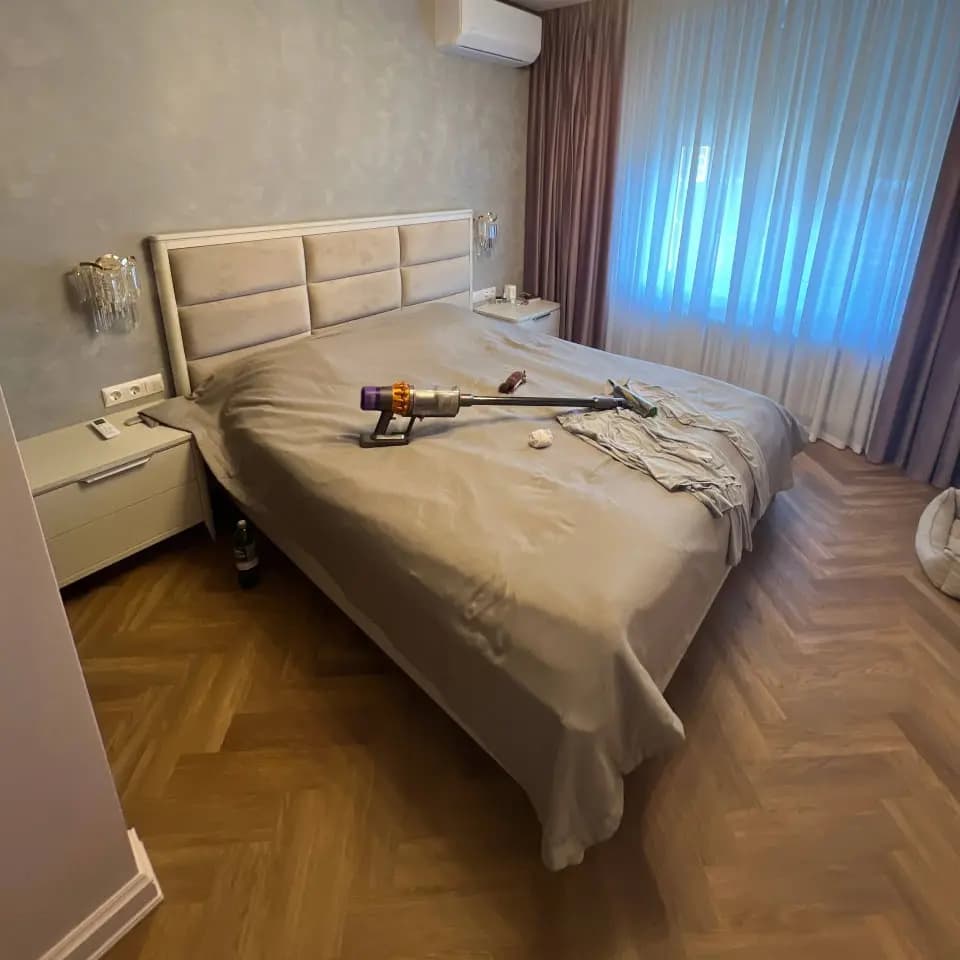
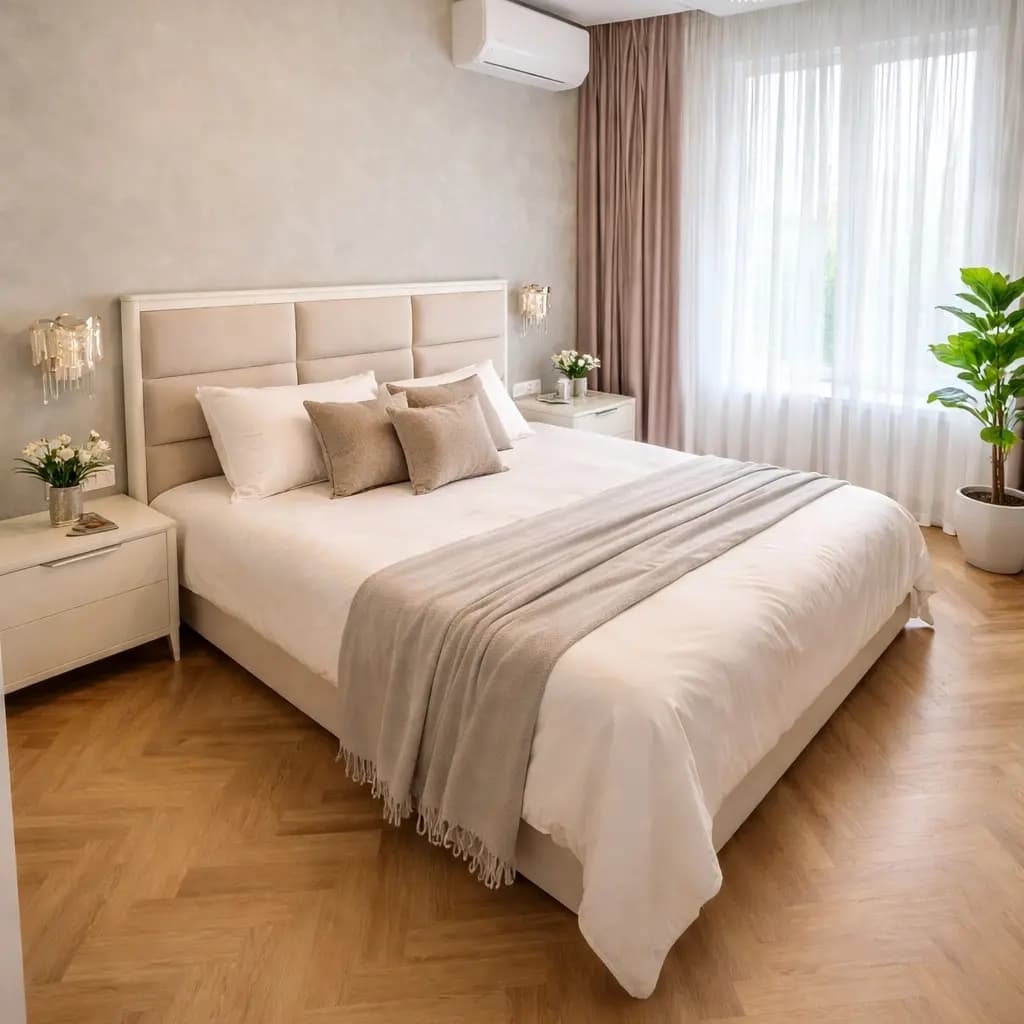
Deciding Between Denver and Boise
Match wood tones to the era
Denver bungalows from 1900 to 1930 typically have red oak or fir floors with amber undertones. Avoid cool gray-wash furniture in those rooms. In Boise's North End, original Douglas fir is even warmer, so pull staging toward walnut, oatmeal linen, and brass accents rather than chrome and cold whites.
Stage the third bedroom for the right buyer
In Denver, stage the third bedroom as a home office with a real desk and a second monitor footprint. In Boise, stage it as a guest room or nursery. Buyer survey behavior on the two MLS systems shows different priorities, and the wrong staging cue costs you showings from your strongest segment.
Respect the foothill view in Boise
If the home faces the Boise Front, never stage a tall bookcase or heavy drapery on the view wall. Use low-profile seating angled toward the windows and keep window treatments to simple linen panels. The view is the second buyer in the room, and you do not want to upstage it.
Use AI staging to fix Denver's small bedrooms
Capitol Hill and Congress Park homes often have 10-by-11 bedrooms that real furniture overwhelms. Virtual staging lets you place a queen with proportional nightstands, a small reading chair, and a tight rug that visually expands the room without a moving truck.
Brief your photographer on light direction
Denver gets 300-plus sun days and bright shadows; shoot earlier. Boise winter listings need overcast or twilight exteriors to avoid harsh foothill backlight. Communicate the staging plan to your photographer before the shoot so AI virtual staging templates can align to the existing light direction without obvious composite seams.
Denver vs Boise FAQ
Is Denver or Boise more affordable for homebuyers?
Boise is more affordable with a median home price of $445,000 compared to Denver's $575,000 — a difference of $130,000 (23%). However, affordability also depends on local incomes, property taxes, and cost of living. Both markets offer opportunities for buyers at different price points.
Which market is hotter, Denver or Boise?
Denver is currently the faster-moving market with homes averaging 34 days on market, compared to 40 days in Boise. A shorter time on market typically indicates stronger buyer demand and more competition. Agents in Denver need to list quickly — virtual staging helps get listings photo-ready in minutes, not weeks.
Should I stage my home when selling in Denver or Boise?
Absolutely — staged homes sell faster and for more money in both markets. In Denver (median $575,000), even a 1-2% price increase from staging can mean thousands more at closing. In Boise (median $445,000), the same applies. Virtual staging with Agent Lens costs just $0.10 per image, making it a no-brainer for agents in either market.
How does virtual staging help in competitive markets like Denver and Boise?
Virtual staging transforms empty rooms into beautifully furnished spaces in under 60 seconds. In competitive markets, first impressions matter — 97% of buyers start their search online. Staged listing photos get more clicks, more showings, and higher offers. At $0.10 per image, virtual staging delivers professional results at a fraction of physical staging costs ($2,000-$5,000+).
Is virtual staging accepted by Denver and Boise MLS systems?
Yes, both REcolorado in Denver and Intermountain MLS in Boise allow virtual staging when clearly disclosed in the listing remarks and image captions. Add a label such as Virtually Staged on the photo itself and note it in the public remarks. The disclosure protects you, the buyer, and the cooperating agent, and it complies with the National Association of Realtors Code of Ethics Article 12 on truthful advertising.
Should I virtually stage a vacant home in either market?
In almost every case, yes. Vacant rooms read as smaller and colder in listing photos, and buyers struggle to judge furniture fit. The Real Estate Staging Association reports that staged listings, including virtually staged, sell faster than vacant comparables. In Boise's foothill ranches and Denver's prewar bungalows, virtual staging is especially useful because real furniture rentals often arrive in the wrong scale.
Which neighborhoods convert best for staged photo packages?
In Denver, Sloan's Lake, Berkeley, Park Hill, and Stapleton consistently reward higher-quality staging because the buyer pool actively shops design. In Boise, the North End, East End, Harris Ranch, and Eagle's Two Rivers produce strong returns on staging investment. Production-build subdivisions in Meridian and Kuna still benefit, but the marginal lift is smaller because buyers there focus more on price and yard.
How does winter affect listing photo strategy in both cities?
Denver winters are bright but the landscaping looks dormant from late October through April, so I recommend twilight exterior shots and well-staged interiors that emphasize warmth. Boise winters are grayer and snowier in the foothills, which makes interior light direction critical. AI virtual staging that adds a soft lamp glow or a styled throw can turn a flat winter photo into a click, without overstating the home's actual condition.
Do buyers in Denver and Boise expect different staging styles?
Yes, materially. Denver buyers respond to a slightly more urban palette, including darker walls, leather, and matte black, especially in LoHi, RiNo, and Cap Hill. Boise buyers prefer warmer, calmer interiors with natural wood, oatmeal textiles, and visible craft. Applying a Denver style to a Boise listing reads as cold; applying a Boise style to a Denver loft reads as undercooked. Tailor the AI staging template to the city, not the brand.