

Dallas vs Denver: Which city is better for real estate?
Agents pivoting between Dallas-Fort Worth and the Denver Front Range learn quickly that these markets reward different staging instincts. Dallas absorbs corporate relocations from Plano headquarters and the Legacy West tech corridor, where buyers expect transitional finishes, oversized primary suites, and outdoor kitchens that survive 100-degree summers. Denver buyers, often arriving from California or feeding the LoDo and Stapleton (now Central Park) submarkets, scrutinize mudrooms, ski-gear storage, and how a home handles the dry mile-high light. After fifteen years writing offers in both metros, I treat virtual staging as a translation tool: the same vacant living room needs warm cream and bronze hardware to read as Highland Park sophistication, then mountain-modern oak and matte black to land in Sloan's Lake. AgentLens lets us swap those palettes without renting two sets of furniture or paying a stager twice. The introduction below walks through how the two metros differ in inventory aging, buyer demographics, and architectural vocabulary, so you can brief your photographer and stager with conviction. Skip the generic regional advice; what works in University Park almost never works in Wash Park.
Dallas vs Denver
Real Estate Market Comparison
Thinking about buying or selling property? Compare the Dallas, TX and Denver, CO real estate markets side by side — from median prices and days on market to top neighborhoods and staging strategies.
Migration Insight
Dallas inventory leans on 1990s-2010s suburban stock in Frisco, McKinney, and Southlake, plus a thick layer of Tudor Revival and Mediterranean infill in Lakewood and Preston Hollow. Denver supply is older through the core: Berkeley bungalows, Park Hill Denver Squares, and Capitol Hill walk-ups, with newer construction concentrated in Stapleton, RiNo, and the Highlands. The cooling argument matters too. In Dallas, two-zone HVAC and radiant barrier attics drive negotiations; in Denver, swamp coolers, evaporative units, and the slow conversion to refrigerated air create real listing-language opportunities. Pool calculus inverts. A backyard pool in Frisco is a base expectation above a certain price tier, while a pool in Wash Park reads as a maintenance liability nine months a year. Garage requirements flip again: Dallas buyers want three bays for trucks and a golf cart, Denver buyers want one heated bay with overhead storage for skis, bikes, and roof boxes. Reflect those priorities in your room labels, not just your photos.
- Highland Park
- Uptown
- Lakewood
- Bishop Arts
- Preston Hollow
- Cherry Creek
- LoHi
- Washington Park
- RiNo
- Highland
Dallas combines Southern charm with cosmopolitan growth. The DFW metroplex is one of the fastest-growing markets in the US, with diverse inventory from modern condos to traditional estate homes. Staging helps Dallas properties compete in a market where buyers have many options.
Denver's outdoor-lifestyle market attracts young professionals and families from both coasts. Modern and contemporary styles dominate buyer preferences, and staged listings stand out in a competitive market that values clean, aspirational aesthetics.
Market Dynamics: Dallas vs Denver
### Buyer Psychology and Architectural Language
Dallas closings still skew toward executive relocation packages tied to Toyota, JPMorgan, and Charles Schwab campuses. Those buyers tour with a corporate timeline and want move-in-ready theater rooms, butler's pantries, and primary closets sized for two wardrobes. Staging that wins in Prosper or Westlake uses transitional silhouettes, performance velvet, and brass accents against Sherwin-Williams Accessible Beige walls. Denver buyers, by contrast, arrive with outdoor-first questions: where does the gravel bike go, can the dog wash drain to the alley, is there a south-facing patio for shoulder-season grilling. Staging in Wash Park or Berkeley succeeds with white oak, leather sling chairs, and indigo wool throws against Benjamin Moore Simply White. Force-fitting Dallas glamour into a Denver Craftsman makes the listing feel rented; the comments section will say so.
### Inventory Velocity and Pricing Tiers
Dallas-Fort Worth turns over more aggressively at the entry tier, where new builds in Celina and Anna compete directly with resales. Denver's entry tier is constrained by 1920s lot sizes and a slow scrape-and-build approval process, so renovated bungalows in Sunnyside or Sloan's Lake hold value even when broader sentiment cools. Mid-tier behavior diverges further. A Plano two-story with a game room sells on photography that emphasizes flow from kitchen to media room; a Park Hill two-story sells on photography that emphasizes the front porch, the original built-ins, and how the dining room reads at golden hour. Top-tier behavior, above the jumbo threshold, is where AgentLens earns its keep. Preston Hollow estates need staged formal dining rooms and wine displays; Cherry Hills Village estates need staged mudrooms, gear lockers, and a great room oriented toward the foothills. Treat each metro's luxury vocabulary as a separate dialect and brief your virtual staging accordingly.
Key Takeaways
Price difference: $190,000 (33%)
Dallas ($385,000) is $190,000 more affordable than Denver ($575,000).
Speed difference: 11 days
Homes in Denver sell in 34 days on average vs 45 days in Dallas.
More affordable: Dallas, TX
With a median price of $385,000, Dallas offers more entry-level options for first-time buyers and investors.
Faster market: Denver, CO
At 34 days on market, Denver moves faster. Sellers in this market benefit most from being listing-ready on day one — virtual staging delivers in under 60 seconds.
Stage Your Listing in Either Market
Transform empty rooms into stunning staged photos in 60 seconds. Starting at $0.10 per image.
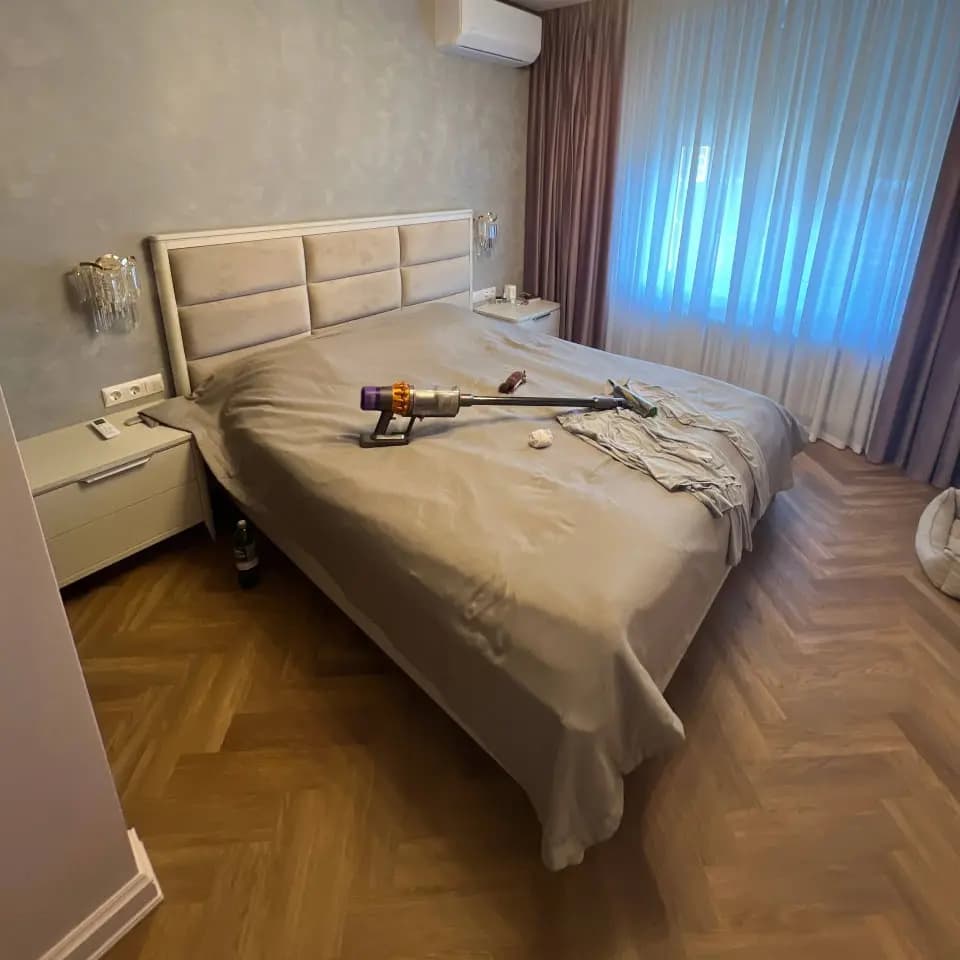
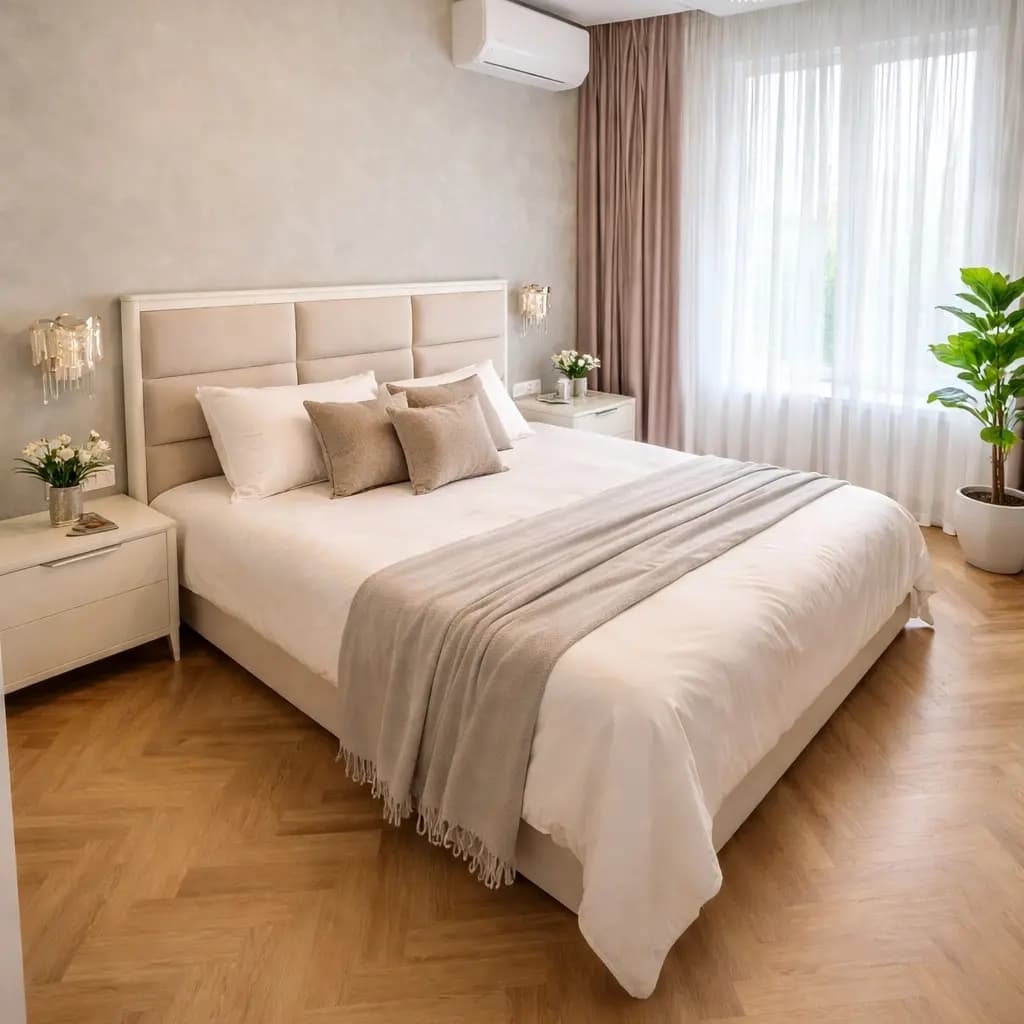
Deciding Between Dallas and Denver
Match Wall Color to Light Quality
Dallas afternoon light is warm and forgiving, so creamy whites read clean. Denver light is cooler and sharper at altitude, which makes the same cream look yellow on camera. Pick a true white for Front Range listings and a warm white for North Texas.
Stage the Right Outdoor Room
In Frisco and Southlake, virtually stage the covered patio with a built-in grill, ceiling fan, and lounge seating. In Berkeley or Wash Park, stage a south-facing deck with adirondacks, a fire bowl, and a snowboard leaning against the railing. Outdoor priorities differ by climate.
Respect the Garage Story
Dallas listings benefit from staging a third bay as a workshop or golf cart parking. Denver listings benefit from staging a single heated bay with wall-mounted bike storage and ski racks. Buyers read these cues before they read the description.
Refresh Dated Tile Without Demo
Many Lakewood ranches and Capitol Hill condos still carry 90s travertine or pink bathroom tile. Use AI staging to preview a polished concrete or large-format porcelain before recommending a renovation budget to the seller.
Speak the Local Floor Plan
A Dallas formal dining room rarely converts to a home office without pushback from buyers. A Denver Victorian parlor often reads better as a reading room than a second living room. Stage the function the buyer expects to see in that style of home.
Dallas vs Denver FAQ
Is Dallas or Denver more affordable for homebuyers?
Dallas is more affordable with a median home price of $385,000 compared to Denver's $575,000 — a difference of $190,000 (33%). However, affordability also depends on local incomes, property taxes, and cost of living. Both markets offer opportunities for buyers at different price points.
Which market is hotter, Dallas or Denver?
Denver is currently the faster-moving market with homes averaging 34 days on market, compared to 45 days in Dallas. A shorter time on market typically indicates stronger buyer demand and more competition. Agents in Denver need to list quickly — virtual staging helps get listings photo-ready in minutes, not weeks.
Should I stage my home when selling in Dallas or Denver?
Absolutely — staged homes sell faster and for more money in both markets. In Dallas (median $385,000), even a 1-2% price increase from staging can mean thousands more at closing. In Denver (median $575,000), the same applies. Virtual staging with Agent Lens costs just $0.10 per image, making it a no-brainer for agents in either market.
How does virtual staging help in competitive markets like Dallas and Denver?
Virtual staging transforms empty rooms into beautifully furnished spaces in under 60 seconds. In competitive markets, first impressions matter — 97% of buyers start their search online. Staged listing photos get more clicks, more showings, and higher offers. At $0.10 per image, virtual staging delivers professional results at a fraction of physical staging costs ($2,000-$5,000+).
Do Dallas and Denver buyers respond to the same staging palette?
No, and forcing one palette across both markets flattens your conversion rate. Dallas relocators reward warm transitional looks with bronze, cream, and performance velvet that read as Preston Hollow polish. Denver buyers respond to mountain-modern white oak, leather, and wool that match the Front Range aesthetic. Brief your virtual staging tool with the metro and the neighborhood, not just the room type, and your click-through on Zillow and Realtor.com will reflect the difference.
Which metro rewards virtual staging more for vacant listings?
Both, but for different reasons. Dallas vacant new builds in Celina and Anna often look identical without staging, so AgentLens helps yours stand out in a saturated MLS. Denver vacant bungalows in Sunnyside or Berkeley often have small rooms that buyers misjudge on a phone screen, so virtual staging proves the layout works. Time on market shrinks in both metros when buyers can visualize furniture placement before scheduling a tour.
How should I stage outdoor space differently between the two cities?
In Dallas, stage shaded outdoor living for nine-month patio season: covered kitchen, ceiling fan, lounge sectional, and a pool surround if applicable. In Denver, stage three-season hardscape: a south-facing patio, fire bowl, adirondacks, and gear storage near the back door. Both metros reward outdoor staging in listing photos, but the season and use case differ enough that copy-pasting one approach into the other looks tone-deaf to local buyers.
Are Denver buyers more sensitive to dated finishes than Dallas buyers?
Slightly. Denver core neighborhoods carry older inventory, so buyers expect renovation but reward sympathetic restoration. A Park Hill kitchen with original cabinets and modern hardware can outperform a full gut. Dallas buyers, especially relocators, have less patience for dated finishes and often discount visibly aged 90s kitchens. Use virtual staging in both metros to test whether a refresh outperforms a remodel before recommending a contractor scope.
Does virtual staging work for luxury listings in both markets?
Yes, when the staging respects the architectural vocabulary. Preston Hollow estates need traditional formal rooms, wine display, and butler's pantry detail. Cherry Hills Village estates need mudrooms, gear rooms, and great rooms oriented toward the foothills. AgentLens handles both vocabularies, but you must brief the tool with neighborhood-specific references rather than generic luxury prompts. Buyers above the jumbo threshold notice when staging looks pulled from a stock catalog instead of the local design idiom.