

Dallas vs Austin: Which city is better for real estate?
Dallas and Austin sit three hours apart on I-35, but the listings I have written across both cities over fifteen years could come from different countries. Dallas inventory runs wide and deep: Highland Park Tudors, Lakewood Tudor revivals, Preston Hollow ranch estates, M Streets bungalows, Oak Cliff Craftsman, and a steady pipeline of new construction in Frisco and Prosper. Buyers expect formal living rooms, butler pantries, and primary suites that photograph like hotel showrooms. Austin moves on a tighter, more design-conscious wavelength. Buyers in Clarksville, Travis Heights, Hyde Park, and Mueller want homes that read as architecturally honest: original longleaf pine floors photographed without overwarming, Saltillo tile in South Austin bungalows shown in afternoon light, and Mueller new-builds staged in clean modern lines that match the master plan. The same brown leather Chesterfield that closes a Highland Park library makes a Travis Heights bungalow feel costumed. Aistage handles the split because agents can specify era, finish, and furniture line per listing, so a Dallas team running fifty active listings can deliver photography that respects each neighborhood instead of flattening everything into a single brand template that wins neither market.
Dallas vs Austin
Real Estate Market Comparison
Thinking about buying or selling property? Compare the Dallas, TX and Austin, TX real estate markets side by side — from median prices and days on market to top neighborhoods and staging strategies.
Migration Insight
I learned the Dallas-Austin staging difference the hard way listing a Tarrytown bungalow with photography I had ordered for a Lakewood listing the week before. Same staging brief, same furniture line, same color palette. The Lakewood home went pending in nine days at over list. The Tarrytown listing sat eighteen days and accepted the first offer at list with concessions. The photos read as Dallas-formal in an Austin neighborhood that wanted lived-in warmth. I rebuilt the staging in Aistage with lighter wood tones, a linen sofa instead of leather, an indoor olive tree, and a vintage rug rather than a new traditional. Showings doubled. The Austin Board of Realtors and the MetroTex Association of Realtors track distinct buyer behavior because the buyers are distinct: tech transplants in Austin care about indoor-outdoor flow, original details, and walkable proximity to Lady Bird Lake. Dallas buyers care about square footage, finish level, and school district fit. Stage to the buyer who lives in the neighborhood, not the one who lives in your portfolio template.
- Highland Park
- Uptown
- Lakewood
- Bishop Arts
- Preston Hollow
- South Congress
- Zilker
- East Austin
- Westlake
- Cedar Park
Dallas combines Southern charm with cosmopolitan growth. The DFW metroplex is one of the fastest-growing markets in the US, with diverse inventory from modern condos to traditional estate homes. Staging helps Dallas properties compete in a market where buyers have many options.
Austin's tech-driven economy brings design-savvy buyers who expect modern, well-staged listings. The market has cooled from its 2022 peak, making professional presentation more important than ever. Virtual staging helps Austin agents compete for tech workers with high aesthetic standards.
Market Dynamics: Dallas vs Austin
### Inventory Volume and Photography Cadence
Dallas-Fort Worth absorbs more annual transactions than the Austin metro, and the agent workflow reflects the volume. Top Dallas teams list twenty to forty homes a month and need staging that delivers within hours, not days. Aistage fits that cadence because the agent uploads a vacant photo, picks a style, and has staged frames before the photographer leaves the property. Austin teams generally carry smaller active counts but spend more time per listing on creative direction. A Clarksville bungalow gets two or three staging style tests before the team picks the version that goes live. Both workflows are valid, but they require different mental models. In Dallas the goal is consistency at scale: every listing in a brokerage looks professionally staged regardless of price point. In Austin the goal is differentiation: each listing looks specific to its block, its era, and its buyer. NAR research on time-on-market confirms staged listings outperform vacant ones in both metros, with the lift varying by neighborhood maturity.
### Architecture, Climate, and the Photography Brief
Dallas summers run brutal and listings often shoot in harsh midday light when grass turns straw-colored and exterior shots demand rendering correction. Austin shoots better in spring and fall when the Hill Country light photographs warm without burning out. Inside, Dallas Tudor revivals in Lakewood and Highland Park need furniture that respects original beams and stone fireplaces: wingback chairs, brass library lamps, oriental rugs. Dropping a Scandinavian sectional into a Lakewood Tudor produces photos that look like a furniture catalog shot in the wrong location. Austin South Congress and East Austin bungalows want the inverse: midcentury teak, woven leather, indoor plants, and warm-white walls. Mueller and East Riverside new construction sits in a third category that wants clean modern lines. Aistage prompts let you specify all three vocabularies. The Real Estate Staging Association published guidance on regional buyer psychology that confirms what working agents already knew: Texas markets are not interchangeable, and pretending they are leaves money on the table at every price point.
Key Takeaways
Price difference: $140,000 (27%)
Dallas ($385,000) is $140,000 more affordable than Austin ($525,000).
Speed difference: 10 days
Homes in Dallas sell in 45 days on average vs 55 days in Austin.
More affordable: Dallas, TX
With a median price of $385,000, Dallas offers more entry-level options for first-time buyers and investors.
Faster market: Dallas, TX
At 45 days on market, Dallas moves faster. Sellers in this market benefit most from being listing-ready on day one — virtual staging delivers in under 60 seconds.
Stage Your Listing in Either Market
Transform empty rooms into stunning staged photos in 60 seconds. Starting at $0.10 per image.
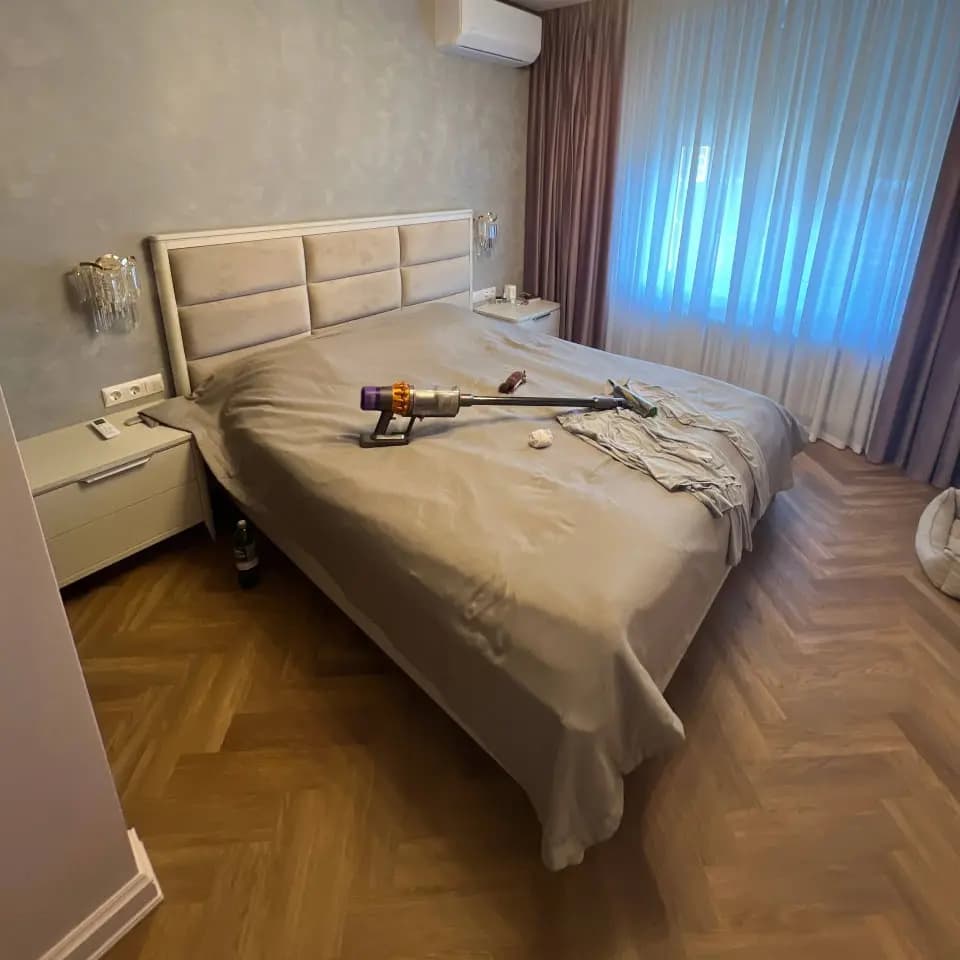
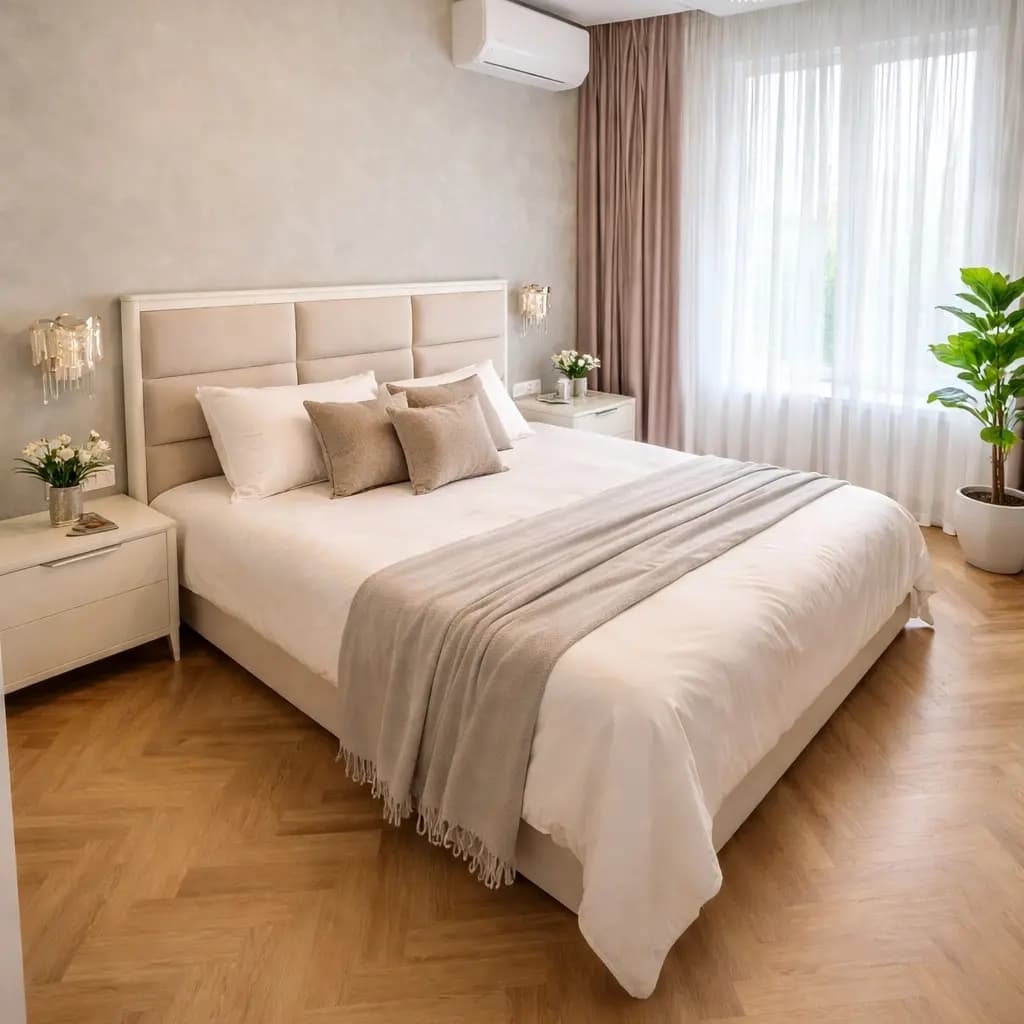
Deciding Between Dallas and Austin
Stage Dallas Tudors With Period-Appropriate Libraries
Highland Park and Lakewood Tudor revivals close faster when the secondary bedroom or sunroom photographs as a library: built-in books, leather wingback, brass floor lamp, oriental rug. Generic guest rooms photograph as dead square footage. Aistage prompts that specify Tudor library style produce frames that match the architectural promise of the exterior.
Use Lighter Wood Tones for Austin Bungalows
Original longleaf pine in Hyde Park and Travis Heights bungalows photographs warm by default. Layering dark walnut furniture overheats the frame and drives buyers off the listing. Specify white oak, light teak, or rattan in your staging prompt and the floors pop without competing with the furniture.
Show Indoor-Outdoor Flow in Austin Listings
Austin buyers underwrite covered patios and screened porches as living square footage. Stage the patio with a teak dining set, string lights, and a gas fire bowl, then photograph it adjacent to the kitchen frame. Buyers reading the listing on their phone see continuous living space rather than a house plus an empty slab.
Stage Frisco and Prosper New Construction Differently Than Lakewood
North Dallas new construction wants transitional staging: clean lines, neutral palette, matte-black accents, oversized art. Lakewood and M Streets want layered traditional. Using the same staging template for both neighborhoods produces listings that look interchangeable, which is exactly the wrong signal in a market where buyers shop neighborhoods first and homes second.
Match Outdoor Staging to Texas Climate Reality
Stage backyards with shade structures, ceiling fans on covered patios, and pool furniture that reads as sun-resistant. Austin and Dallas buyers who tour in July remember which listings showed they understood the heat. Aistage outdoor renders include pergola and shade-sail options that signal climate competence rather than aspirational coastal-California fantasy.
Dallas vs Austin FAQ
Is Dallas or Austin more affordable for homebuyers?
Dallas is more affordable with a median home price of $385,000 compared to Austin's $525,000 — a difference of $140,000 (27%). However, affordability also depends on local incomes, property taxes, and cost of living. Both markets offer opportunities for buyers at different price points.
Which market is hotter, Dallas or Austin?
Dallas is currently the faster-moving market with homes averaging 45 days on market, compared to 55 days in Austin. A shorter time on market typically indicates stronger buyer demand and more competition. Agents in Dallas need to list quickly — virtual staging helps get listings photo-ready in minutes, not weeks.
Should I stage my home when selling in Dallas or Austin?
Absolutely — staged homes sell faster and for more money in both markets. In Dallas (median $385,000), even a 1-2% price increase from staging can mean thousands more at closing. In Austin (median $525,000), the same applies. Virtual staging with Agent Lens costs just $0.10 per image, making it a no-brainer for agents in either market.
How does virtual staging help in competitive markets like Dallas and Austin?
Virtual staging transforms empty rooms into beautifully furnished spaces in under 60 seconds. In competitive markets, first impressions matter — 97% of buyers start their search online. Staged listing photos get more clicks, more showings, and higher offers. At $0.10 per image, virtual staging delivers professional results at a fraction of physical staging costs ($2,000-$5,000+).
Are Dallas and Austin staging styles really different enough to matter?
Yes, and the difference shows up in showing requests within the first week of a listing going live. Dallas buyers in Highland Park, Lakewood, and Preston Hollow expect traditional or transitional staging that signals formality and finish level. Austin buyers in Clarksville, Travis Heights, and Mueller expect architectural honesty, lighter palettes, and indoor-outdoor flow. Using a single template across both markets produces listings that underperform their neighborhood comps because buyers immediately sense the staging does not match the home or the block.
Which market has more inventory turnover?
Dallas-Fort Worth processes substantially more annual transactions than the Austin metro because the population base is larger and the geographic footprint covers far more submarkets. Austin runs tighter with fewer total listings but historically faster days-on-market for well-photographed homes in core neighborhoods. Both metros saw inventory normalize through 2024 and 2025 according to Zillow Research and the regional MLS associations. The volume difference matters mainly for how an agent structures their photography and staging workflow at scale.
Does virtual staging require disclosure in Texas?
Yes. Texas Real Estate Commission rules and standard MLS practice require photos altered to add furniture, finishes, or features be disclosed as virtually staged. The standard is a visible watermark on the image and a line in the listing remarks. Buyer agents respect the disclosure when the underlying room condition matches the photo, and they push back hard when staging hides defects. Aistage outputs include watermark options that satisfy disclosure requirements without distracting from the staged frame.
What furniture styles work best in Austin bungalows?
Austin bungalows in Hyde Park, Travis Heights, Clarksville, and Bouldin Creek photograph best with midcentury teak, woven leather chairs, indoor plants, vintage rugs, and warm-white walls. Original longleaf pine floors and Saltillo tile already provide warmth, so layering dark traditional furniture overcooks the frame. Aistage prompts that specify midcentury, vintage modern, or organic modern produce staging that respects the architecture and matches what buyers in those neighborhoods are already searching for on Zillow and Realtor.com.
How should I stage North Dallas new construction?
Frisco, Prosper, McKinney, and Celina new construction wants transitional staging: clean lines, neutral palette with one or two saturated accents, matte-black hardware references, oversized abstract art, and oriental-influenced rugs that warm the open floor plans. Avoid heavy traditional staging in these homes because it fights the architecture and dates the listing. Aistage transitional and modern presets work well here, and the same source photo can be rendered in both styles for A/B testing in the first week on market.