

Dallas vs Atlanta: Which city is better for real estate?
Dallas and Atlanta share a Sun Belt growth story, but listing agents who work both markets know the staging instincts diverge from the first photo. Dallas inventory carries a strong traditional and transitional accent: brick colonials in Highland Park and University Park, large-lot ranches across Preston Hollow, modernized mid-century homes in Lakewood and East Dallas, and new-build townhomes throughout Bishop Arts and Oak Cliff. The visual vocabulary leans warm — limestone, oak, brass, leather — and buyers expect a polished, slightly traditional finish even on contemporary builds. Atlanta intown delivers a far more layered architectural mix in a much tighter footprint: 1920s Tudor Revivals in Druid Hills, brick ranches in Buckhead, mid-century splits in Morningside, Craftsman bungalows in Candler Park, and steel-and-glass new-builds in West Midtown all compete inside overlapping price bands. The buyer profiles split along the same line. Dallas relocation flow rewards transferable, family-ready presentation that signals stability, while Atlanta intown buyers actively scrutinize era, finish hierarchy, and proportion. Virtual staging through aistage.pro lets a single agent calibrate to either lane without rebooking a stylist or changing comp sets. The same vacant living room can render as a refined Dallas transitional moodboard or an era-faithful Atlanta intown bungalow, and the choice should always follow the listing's neighborhood context.
Dallas vs Atlanta
Real Estate Market Comparison
Thinking about buying or selling property? Compare the Dallas, TX and Atlanta, GA real estate markets side by side — from median prices and days on market to top neighborhoods and staging strategies.
Migration Insight
Highland Park and Preston Hollow listings reward a refined, slightly traditional hand — limestone-toned palettes, oak floors, leather seating, and brass lighting — even on transitional renovations. Bishop Arts and Oak Cliff accept more transitional and editorial choices but still pull back from full-on minimalist renders. Lakewood and East Dallas mid-century homes need staging that honors their original era, similar to Atlanta's Morningside split-level stock. Atlanta intown splits along architectural lines that Dallas does not match. A 1920s Foursquare in Virginia-Highland and a 2015 contemporary in Old Fourth Ward sit on the same price band but require very different moodboards. Outdoor staging also weighs differently. Dallas pool decks and covered patios genuinely lift perceived value year-round given the climate, while Atlanta intown lots are tighter and more seasonal, making front-porch and small-yard styling the higher-leverage decision. Agents who calibrate these per-neighborhood signals in aistage.pro see consistent gains in saved-search performance and offer-round strength.
- Highland Park
- Uptown
- Lakewood
- Bishop Arts
- Preston Hollow
- Buckhead
- Midtown
- Virginia-Highland
- Decatur
- Inman Park
Dallas combines Southern charm with cosmopolitan growth. The DFW metroplex is one of the fastest-growing markets in the US, with diverse inventory from modern condos to traditional estate homes. Staging helps Dallas properties compete in a market where buyers have many options.
Atlanta's diverse and growing market spans luxury estates to starter homes across a massive metro area. Staged listings perform especially well here, where buyers often search online across multiple neighborhoods before visiting. Virtual staging helps agents cover more listings efficiently.
Market Dynamics: Dallas vs Atlanta
### Architectural mix and what each market rewards
Dallas inventory leans warmer and more uniform by neighborhood than Atlanta intown. Highland Park and University Park deliver brick colonials and Tudor-influenced traditionals on tree-lined blocks, where staging needs limestone-toned palettes, oak floors, and traditional upholstery to read in-market. Preston Hollow brings larger-lot ranches and contemporary rebuilds that still lean traditional in finish hierarchy. Lakewood and East Dallas carry strong mid-century stock that responds to era-appropriate staging — walnut, low-profile seating, graphic textiles — closer to Atlanta's Morningside split-levels than to Highland Park colonials. Bishop Arts and Oak Cliff accept transitional and editorial moodboards on renovated bungalows and new-build townhomes. Atlanta intown's range is wider in a smaller footprint, and staging has to acknowledge the specific era of each listing rather than applying one regional house style. Generic farmhouse staging now reads as dated in both markets, particularly on architecturally significant homes where the original detailing carries more conversion weight than the furnishings.
### Buyer behavior and the photo set that converts
Dallas relocation flow runs heavy from the West Coast and Northeast, and those buyers reward staging that signals stability and transferability — a formal dining moment, a credible home office, a primary suite that reads as retreat, and a flex space that clearly functions as office, gym, or playroom. Listings that show three to four hero rooms fully styled consistently outperform photo sets that spread thin staging across every room. Atlanta intown buyers tour aggressively in person but rely on the lead image to decide whether to schedule. The heavy tree canopy makes interior daylight the higher-yield first photo, usually the kitchen or living room, while Dallas listings tolerate exterior leads more often given the brighter, less-shaded curb appeal. Outdoor staging also splits. Dallas pool decks and covered patios genuinely lift perceived value year-round, so render those spaces fully rather than leaving them empty. Atlanta intown lots are tighter and more seasonal, so front-porch styling and small-yard moments carry the load on the right months. Aistage.pro's per-listing flexibility is what makes this calibration practical at scale, letting agents test a refined Dallas transitional render against an era-faithful Atlanta intown render without escalating cost per listing or rebooking stylists between markets.
Key Takeaways
Price difference: $10,000 (3%)
Dallas ($385,000) is $10,000 more affordable than Atlanta ($395,000).
Speed difference: 5 days
Homes in Atlanta sell in 40 days on average vs 45 days in Dallas.
More affordable: Dallas, TX
With a median price of $385,000, Dallas offers more entry-level options for first-time buyers and investors.
Faster market: Atlanta, GA
At 40 days on market, Atlanta moves faster. Sellers in this market benefit most from being listing-ready on day one — virtual staging delivers in under 60 seconds.
Stage Your Listing in Either Market
Transform empty rooms into stunning staged photos in 60 seconds. Starting at $0.10 per image.
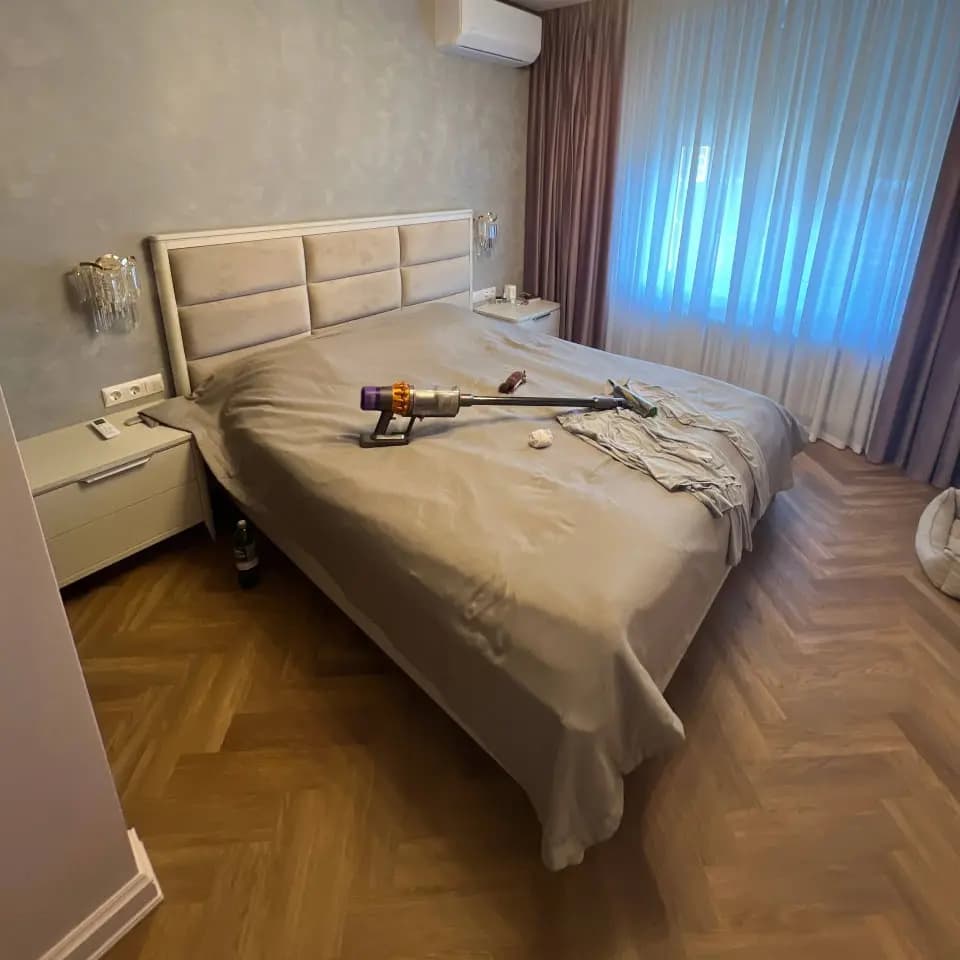
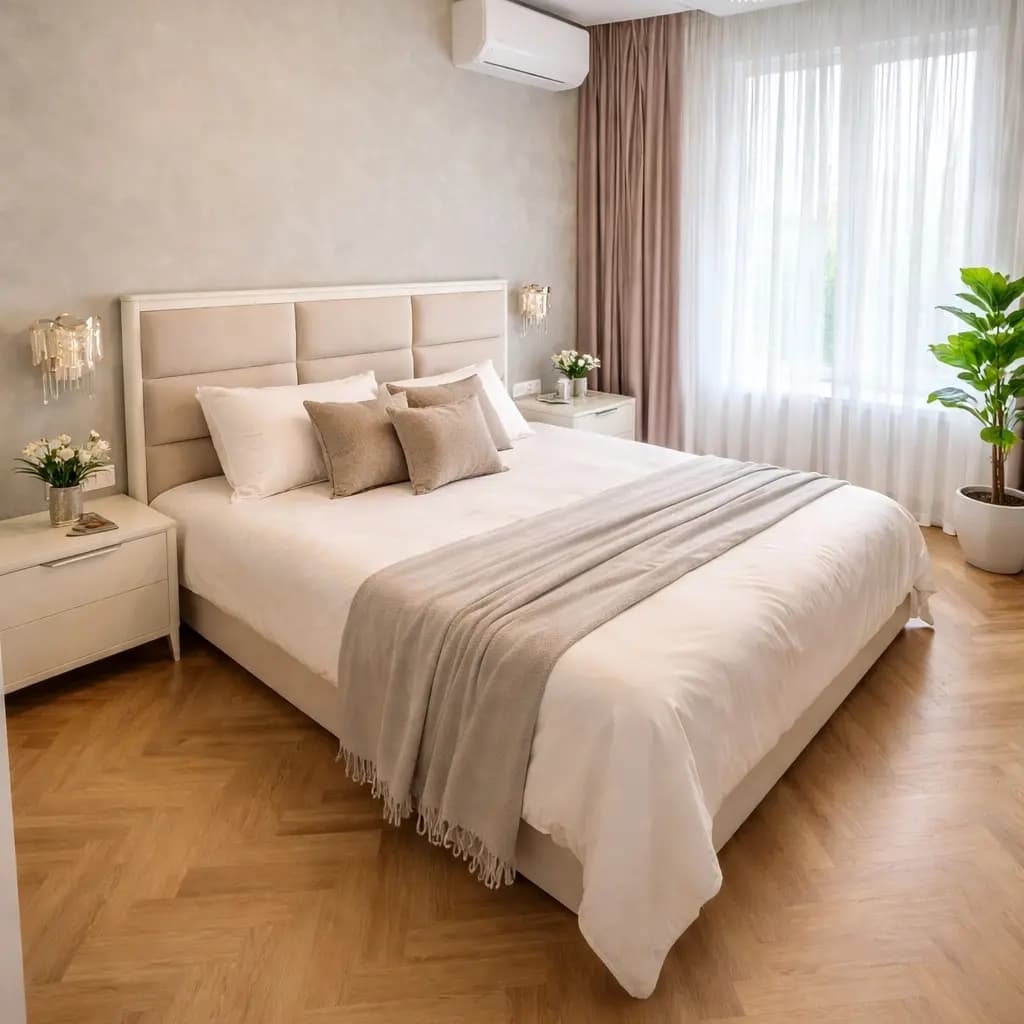
Deciding Between Dallas and Atlanta
Render Highland Park listings with traditional restraint
Highland Park and University Park buyers expect limestone-toned palettes, oak floors, leather seating, and brass lighting even on transitional renovations. Render a formal dining moment with classic upholstered chairs and a sideboard, not a casual breakfast nook. The traditional hand signals in-market familiarity and consistently outperforms editorial or coastal moodboards in this comp set.
Honor era on Lakewood and Morningside mid-century homes
Lakewood mid-century stock in Dallas and Morningside split-levels in Atlanta both reward walnut tones, low-profile seating, and graphic textiles that respect the original era. Generic transitional staging flattens these homes' character. Use aistage.pro to render an era-appropriate moodboard alongside a more contemporary version and choose based on the specific listing's renovation level.
Stage three hero rooms before adding a fourth lightly
In both Dallas and Atlanta, the highest-converting photo sets fully style the living room, primary bedroom, dining area, and one flex space. Empty secondary bedrooms photograph fine if the hero rooms carry strong moodboards. Spreading thin staging across every room dilutes visual impact and rarely justifies the extra render cost.
Style pool decks and covered patios fully in Dallas
Dallas climate and lot sizes make pool decks and covered patios part of the daily-use square footage year-round. Render an outdoor dining set, lounge seating, layered textiles, and a clear focal moment rather than empty pavers. Highland Park, Preston Hollow, and Lakewood listings see strong lift when outdoor staging matches the interior moodboard.
Lead with daylight interiors in Atlanta intown
Atlanta's heavy tree canopy mutes exterior shots, so the first lead image should be a bright daylight interior — usually the kitchen or living room — rather than a shaded curb shot. Dallas listings tolerate exterior leads more often given brighter curb appeal, but interior daylight still wins the saved-search click in Atlanta intown comp sets.
Dallas vs Atlanta FAQ
Is Dallas or Atlanta more affordable for homebuyers?
Dallas is more affordable with a median home price of $385,000 compared to Atlanta's $395,000 — a difference of $10,000 (3%). However, affordability also depends on local incomes, property taxes, and cost of living. Both markets offer opportunities for buyers at different price points.
Which market is hotter, Dallas or Atlanta?
Atlanta is currently the faster-moving market with homes averaging 40 days on market, compared to 45 days in Dallas. A shorter time on market typically indicates stronger buyer demand and more competition. Agents in Atlanta need to list quickly — virtual staging helps get listings photo-ready in minutes, not weeks.
Should I stage my home when selling in Dallas or Atlanta?
Absolutely — staged homes sell faster and for more money in both markets. In Dallas (median $385,000), even a 1-2% price increase from staging can mean thousands more at closing. In Atlanta (median $395,000), the same applies. Virtual staging with Agent Lens costs just $0.10 per image, making it a no-brainer for agents in either market.
How does virtual staging help in competitive markets like Dallas and Atlanta?
Virtual staging transforms empty rooms into beautifully furnished spaces in under 60 seconds. In competitive markets, first impressions matter — 97% of buyers start their search online. Staged listing photos get more clicks, more showings, and higher offers. At $0.10 per image, virtual staging delivers professional results at a fraction of physical staging costs ($2,000-$5,000+).
Is staging strategy really different between Dallas and Atlanta?
Yes, more than the metro headline suggests. Dallas rewards refined traditional and transitional staging with formal dining, defined office, and styled outdoor spaces, while Atlanta intown rewards era-appropriate staging that honors specific architectural details across a wider range of periods. Lead-image strategy also differs: Dallas tolerates exterior leads more often, while Atlanta's tree canopy pushes interior daylight as the higher-converting first photo. Aistage.pro lets you calibrate per neighborhood without rebooking.
Which Dallas neighborhoods need the most architectural sensitivity?
Highland Park and University Park need refined traditional restraint — limestone palettes, oak floors, leather seating, brass lighting. Lakewood and East Dallas mid-century stock requires era-appropriate walnut and low-profile furnishings. Bishop Arts and Oak Cliff accept transitional moodboards on renovated bungalows and new-build townhomes. Preston Hollow contemporary rebuilds still lean traditional in finish hierarchy. Mismatched staging in any of these comp sets slows showings.
How does relocation flow change the staging brief?
Dallas pulls heavy West Coast and Northeast relocation, and those buyers reward transferable, family-ready presentation that signals stability. Atlanta's tech and logistics hiring brings a more design-literate intown buyer who scrutinizes finish hierarchy and proportion. Listings staged for a Dallas relocation buyer often look too cautious in Atlanta intown, while editorial Atlanta moodboards can read as risky in Highland Park. Calibrating to relocation source matters more than agents expect.
Does outdoor staging matter more in Dallas?
In suburban Dallas and Lakewood, yes — the climate and lot sizes make pool decks and covered patios part of the daily-use square footage year-round. In Atlanta intown, outdoor lots are tighter and more seasonal, so front-porch styling and small-yard moments carry the load. Suburban Atlanta listings in Brookhaven or East Cobb sit between the two, and a styled deck or patio is worth the render budget there as well.
Should I stage every room in either market?
No. The highest-converting photo sets in both cities fully stage three to four hero rooms — living, primary bedroom, dining, and one flex space — rather than spreading thin staging across every room. Empty secondary bedrooms photograph fine if the hero rooms carry strong moodboards. Aistage.pro makes it easy to commit to depth over breadth without escalating cost per listing or rebooking stylists between metros.