

Chicago vs Austin: Which city is better for real estate?
Chicago and Austin attract two very different buyer profiles, and a staging brief that wins listings in one will read off in the other almost every time. Chicago buyers tour with sharp eyes for architectural authenticity, Midwestern formality, and original detail. Austin buyers, especially those moving from California or the East Coast, scan photos for evidence of indoor-outdoor flow, lot size, and the Hill Country sensibility that defines neighborhoods like Tarrytown, Travis Heights, and Westlake. Architectural mix differs sharply. Chicago runs through greystones in Lincoln Park, brick bungalows in the Bungalow Belt, two-flats in Logan Square and Humboldt Park, and contemporary new-builds in West Loop and Fulton Market. Austin leans on bungalows in Hyde Park and Clarksville, ranches in Allandale, modern infill across East Austin, and Hill Country contemporary in Westlake and West Lake Hills. Climate hits both cities differently. Chicago's harsh winters and humid summers reshape material expectations, while Austin's brutal summers and mild winters favor outdoor-living marketing. Treat these cities as interchangeable American mid-market urban areas and one of the two listings will read off. The fix is matching the brief to the architecture, climate, and buyer pool with intention rather than relying on vendor-default templates that miss the local context.
Chicago vs Austin
Real Estate Market Comparison
Thinking about buying or selling property? Compare the Chicago, IL and Austin, TX real estate markets side by side — from median prices and days on market to top neighborhoods and staging strategies.
Migration Insight
Austin neighborhoods read distinctly to local buyers and agents working the city day to day. Tarrytown and Pemberton Heights reward formal traditional staging with restrained palettes and respect for original hardwoods. Travis Heights and Bouldin Creek mix bungalows, modern infill, and renovated cottages where the brief has to match the specific home rather than the neighborhood. East Austin runs heavy on modern infill and renovated bungalows, where staging leans cleaner and more design-forward to match buyer expectations. Westlake and West Lake Hills expect Hill Country contemporary staging with layered textures and clear views to surrounding hills. Chicago neighborhoods carry their own vocabularies that local buyers track in photo sets. Lincoln Park and Lakeview greystones expect formal staging with respect for original detail. Wicker Park and Bucktown handle cleaner, more design-forward briefs. Bungalow Belt brick bungalows reward period-respectful staging. West Loop and Fulton Market contemporary new-builds reward gallery-quality work. Climate-driven staging differs sharply across the cities. Chicago's harsh winters reward warm interior staging that brings comfort. Austin's longer warm season and Hill Country light favor outdoor staging and warm earth-toned palettes that catch the southern sun honestly.
- Lincoln Park
- Lakeview
- River North
- Wicker Park
- Gold Coast
- South Congress
- Zilker
- East Austin
- Westlake
- Cedar Park
Chicago offers diverse housing from downtown condos to suburban family homes. The city's four-season market means properties sell best in spring and summer — well-staged listing photos maximize the selling window. Virtual staging helps Chicago agents prepare listings quickly during peak season.
Austin's tech-driven economy brings design-savvy buyers who expect modern, well-staged listings. The market has cooled from its 2022 peak, making professional presentation more important than ever. Virtual staging helps Austin agents compete for tech workers with high aesthetic standards.
Market Dynamics: Chicago vs Austin
### Architectural vocabulary and material choice
Austin listings split into recognizable vocabularies. A Tarrytown traditional needs formal furniture, classic palettes, and respect for original details. A Travis Heights bungalow rewards period-honest staging with walnut or white oak case goods, warm whites, and restrained accents. East Austin modern infill handles a cleaner brief with mid-century influences, layered textures, and bolder accent colors. Hill Country contemporary in Westlake or West Lake Hills rewards staging that respects views and indoor-outdoor flow. Chicago's vocabulary varies even more by neighborhood. Lincoln Park greystones need formal staging that respects original detail. Wicker Park and Bucktown handle cleaner mid-century or contemporary briefs. Bungalow Belt brick bungalows reward period-respectful staging with warm woods. West Loop contemporary new-builds need gallery-quality work. Mismatching architecture and staging vocabulary produces photo sets that read generic to local buyers immediately, regardless of how polished the individual furniture pieces look in isolation.
### Light, photography, and buyer persona
Austin's strong summer sun rewards UV-stable fabrics and palettes that handle the load. Photographers there often shoot golden-hour exteriors for Hill Country listings and lean on layered interior lighting. East Austin shoots tend toward cleaner, more design-forward presentations. Chicago shoots vary by season. Winter shoots need staging that brings warmth and comfort to combat the cold exterior light, while summer shoots can lean on rooftop and outdoor spaces in West Loop or River North listings. Buyer personas matter as much as architecture. Austin's active buyer pool includes California relocators, tech professionals, returning natives, and out-of-state move-up families. They read photos for indoor-outdoor flow, lot size, and Hill Country sensibility. Chicago buyers skew toward finance, healthcare, and tech professionals, returning natives, and Midwest move-up families. They penalize generic staging immediately and read photos for architectural authenticity and original detail. Brief your stager and photographer with the specific neighborhood, architectural style, and buyer pool in mind. A Tarrytown traditional photographed under diffused morning light with period-respectful staging will outperform the same home shot under harsh midday sun with imported coastal furniture, just as a Lincoln Park greystone benefits from formal period-respectful staging done well. Treating Chicago and Austin as interchangeable produces listings that read off.
Key Takeaways
Price difference: $185,000 (35%)
Chicago ($340,000) is $185,000 more affordable than Austin ($525,000).
Speed difference: 17 days
Homes in Chicago sell in 38 days on average vs 55 days in Austin.
More affordable: Chicago, IL
With a median price of $340,000, Chicago offers more entry-level options for first-time buyers and investors.
Faster market: Chicago, IL
At 38 days on market, Chicago moves faster. Sellers in this market benefit most from being listing-ready on day one — virtual staging delivers in under 60 seconds.
Stage Your Listing in Either Market
Transform empty rooms into stunning staged photos in 60 seconds. Starting at $0.10 per image.
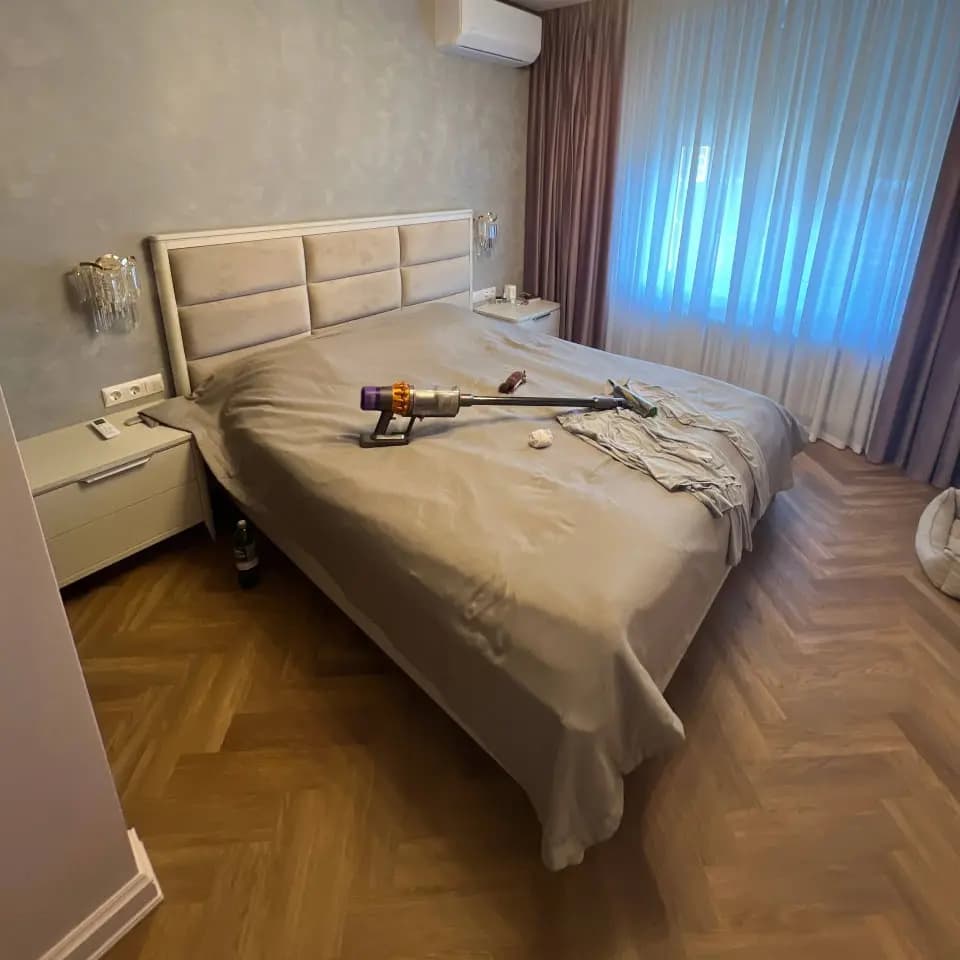
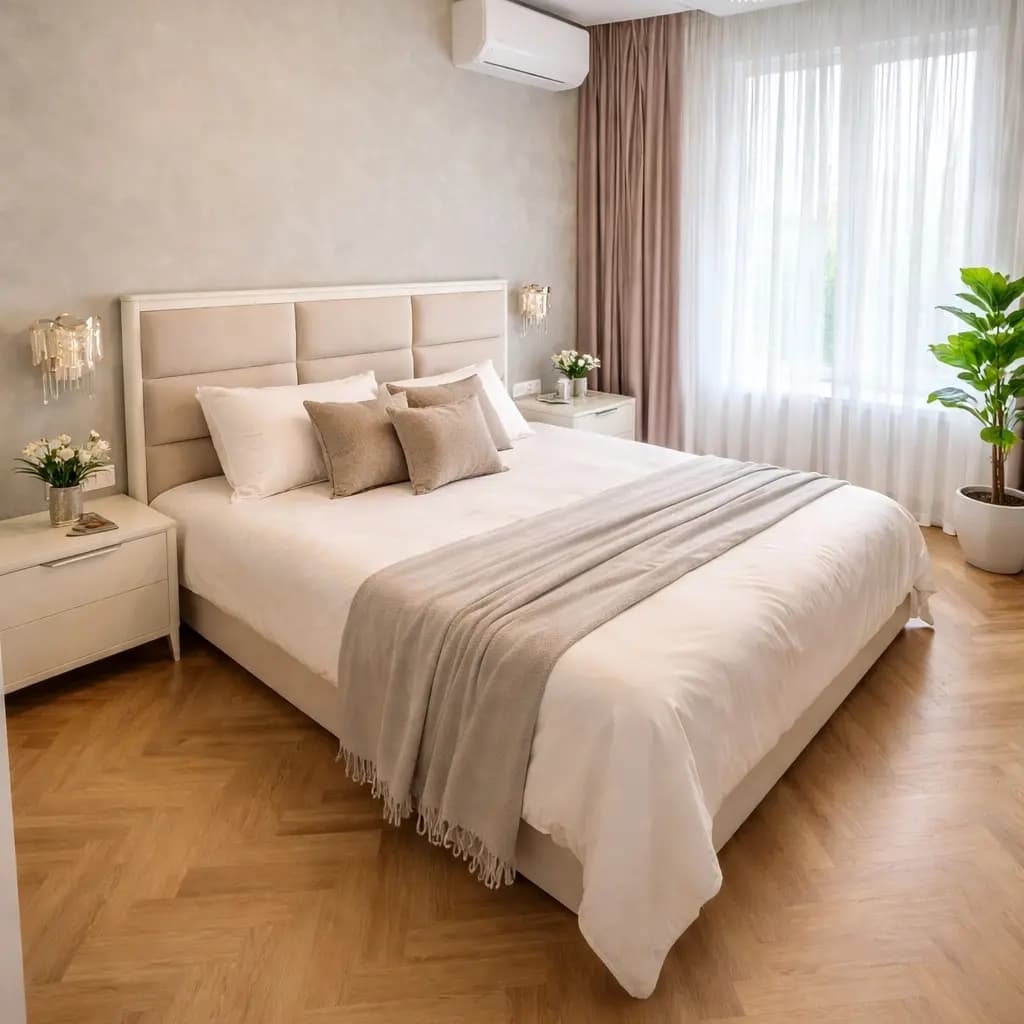
Deciding Between Chicago and Austin
Use formal traditional staging for Chicago greystones and Austin Tarrytown
Chicago Lincoln Park greystones and Austin Tarrytown traditionals share an expectation of formal traditional staging with respect for original hardwoods, formal layouts, and details. Choose furniture in classic styles with restrained palettes. Skip oversized contemporary pieces that fight the architecture rather than honoring the formal interior logic both buyer pools expect.
Lean cleaner for East Austin and Wicker Park modern infill
East Austin and Chicago Wicker Park or Bucktown modern infill reward cleaner mid-century-influenced staging with layered textures and bolder accent colors. The buyer pools there expect design literacy in the photo set, and overly traditional staging reads as out of step with the neighborhood vocabularies that local buyers track closely.
Stage Hill Country views in Westlake intentionally
Westlake and West Lake Hills contemporary homes win on views and indoor-outdoor flow. Stage with low-profile furniture that keeps sightlines clear, layered textures that catch Hill Country light, and palettes that complement the landscape. Skip oversized statement pieces that block windows or compete with what buyers came to see.
Use winter-aware staging in Chicago
Chicago winter shoots need staging that brings warmth and comfort to combat the cold exterior light. Layered throws, warm bulb temperatures, brass lamps, and warm-toned upholstery do real work. Skip cool palettes or overly minimalist briefs that read as cold and uninviting to buyers touring in January or February when the local market is most active.
Use period-respectful staging for Bungalow Belt and Travis Heights
Chicago Bungalow Belt brick bungalows and Austin Travis Heights bungalows share an expectation of period-respectful staging with warm woods, restrained palettes, and respect for original details. Skip overly trendy or generic contemporary pieces that fight the architecture rather than honoring the period vocabulary local buyers in both markets expect to see.
Chicago vs Austin FAQ
Is Chicago or Austin more affordable for homebuyers?
Chicago is more affordable with a median home price of $340,000 compared to Austin's $525,000 — a difference of $185,000 (35%). However, affordability also depends on local incomes, property taxes, and cost of living. Both markets offer opportunities for buyers at different price points.
Which market is hotter, Chicago or Austin?
Chicago is currently the faster-moving market with homes averaging 38 days on market, compared to 55 days in Austin. A shorter time on market typically indicates stronger buyer demand and more competition. Agents in Chicago need to list quickly — virtual staging helps get listings photo-ready in minutes, not weeks.
Should I stage my home when selling in Chicago or Austin?
Absolutely — staged homes sell faster and for more money in both markets. In Chicago (median $340,000), even a 1-2% price increase from staging can mean thousands more at closing. In Austin (median $525,000), the same applies. Virtual staging with Agent Lens costs just $0.10 per image, making it a no-brainer for agents in either market.
How does virtual staging help in competitive markets like Chicago and Austin?
Virtual staging transforms empty rooms into beautifully furnished spaces in under 60 seconds. In competitive markets, first impressions matter — 97% of buyers start their search online. Staged listing photos get more clicks, more showings, and higher offers. At $0.10 per image, virtual staging delivers professional results at a fraction of physical staging costs ($2,000-$5,000+).
Should my staging brief differ between Chicago and Austin for similar-sized homes?
Yes, substantially. Chicago listings reward formal traditional staging in older neighborhoods and cleaner contemporary briefs in newer ones, with attention to winter light and warmth. Austin listings reward neighborhood-specific briefs that match Hill Country, East Austin, or Tarrytown vocabularies. Identical staging will leave one of the two listings reading off to its actual buyer pool. Brief each stager with the specific architecture, climate, and buyer pool to keep both photo sets working as hard as they should.
How does the Austin buyer pool differ from Chicago in ways that affect staging?
Austin's buyer pool includes a meaningful share of California relocators, tech professionals, returning natives, and out-of-state move-up families. They read photos for indoor-outdoor flow, lot size, and Hill Country sensibility. Chicago buyers skew toward finance, healthcare, and tech professionals, returning natives, and Midwest move-up families. They penalize generic staging quickly and read photos for architectural authenticity. Each pool penalizes different staging mistakes, so the brief has to match the actual buyer.
Which neighborhoods reward the strongest staging investment in each city?
In Austin, Tarrytown, Pemberton Heights, Travis Heights, Bouldin Creek, East Austin's renovated pockets, Westlake, and Rollingwood reward the strongest staging investment. In Chicago, Lincoln Park, Lakeview, Wicker Park, Bucktown, Andersonville, West Loop, Fulton Market, and select Bungalow Belt pockets reward similar investment. The buyer pools in these neighborhoods expect polished presentations and track comps closely. Match the staging budget to neighborhood buyer sophistication rather than treating either city as one market.
How should virtual staging differ between these markets for vacant listings?
For Austin vacants, brief virtual stagers toward warm woods, leather, layered textures, and Hill Country-appropriate palettes for western neighborhoods, or cleaner mid-century-influenced briefs for East Austin. For Chicago vacants, the brief should match the specific neighborhood, with formal traditional briefs for older neighborhoods and cleaner contemporary work for newer ones. Mismatched virtual staging erodes buyer trust quickly in both markets, especially among design-literate pools that scan photos for AI tells.
Are there architectural styles in either city that need especially careful staging?
In Austin, Tarrytown traditionals, Hill Country contemporary, and Travis Heights bungalows need careful staging because the buyer pools there expect polished, architecture-respectful presentations. In Chicago, Lincoln Park greystones, Bungalow Belt brick bungalows, and West Loop contemporary new-builds need similar care. Each style carries a distinct vocabulary, and ignoring it produces listings that read generic instead of place-specific to local buyers tracking comps closely in their target neighborhoods.