

Boston vs Philadelphia: Which city is better for real estate?
Boston and Philadelphia share more architectural DNA than most agents acknowledge. Both cities grew around colonial street grids, both lean heavily on rowhouse and brick construction, and both shaped their modern housing stock through waves of conversion rather than tear-down redevelopment. Yet the staging strategies that close a deal in Jamaica Plain stumble in Fishtown, and the photography style that wins on Beacon Hill underperforms in Rittenhouse Square. After managing listings in both metros, I have learned that the surface similarities mask different buyer psychologies, different price-per-foot expectations, and different tolerances for renovation drama. Boston buyers, particularly those tied to the academic and biotech corridor, weigh commute time and school placement before they evaluate finishes. Philadelphia buyers, especially in Center City and the river wards, weigh walkability, transit access to the rail lines, and the quality of the neighborhood retail strip. Virtual staging serves both cities well, but the prop choices, color palettes, and even the time of day photographed differ. This comparison walks through architecture, neighborhood reads, buyer expectations, and the staging adjustments that meaningfully shorten time on market in each city. Treat the two as related but distinct, and your listing performance will improve.
Boston vs Philadelphia
Real Estate Market Comparison
Thinking about buying or selling property? Compare the Boston, MA and Philadelphia, PA real estate markets side by side — from median prices and days on market to top neighborhoods and staging strategies.
Migration Insight
Philadelphia's housing inventory is broader and deeper than agents from outside the region expect. Society Hill rewards traditional staging with antique-leaning rugs and Federal millwork that echoes Independence Hall. Fishtown and Northern Liberties draw younger buyers who want exposed brick, blackened steel, and open kitchens with statement pendants. Graduate Hospital and Point Breeze sit between the two, where staging needs to bridge first-time buyer aspiration and established-professional taste. The city's trinity houses, three-room vertical homes from the eighteenth century, require a staging approach that treats each floor as a single complete moment because there is no room for transition. Boston's parallel inventory sits in Charlestown, the North End, and parts of Beacon Hill, but the proportions differ. Philadelphia rooms tend to run wider and shorter, while Boston rooms run narrower and longer. That changes how I place sofas, dining tables, and rugs. A nine-foot rug works in a Center City parlor and crowds a Charlestown one. Knowing the room's actual proportions before staging matters more than knowing the city.
- Back Bay
- South End
- Beacon Hill
- Cambridge
- Brookline
- Rittenhouse Square
- Fishtown
- Manayunk
- Center City
- Northern Liberties
Boston's historic housing stock and high prices create unique staging challenges. Buyers seek character with modern updates, and staged photos help them see past dated finishes to a home's potential. Virtual staging is ideal for Boston's many pre-war homes that need visual updating.
Philadelphia's historic rowhomes and diverse neighborhoods offer unique staging opportunities. Traditional and transitional styles complement the city's architectural heritage. Virtual staging helps agents show the potential in Philly's many historic properties.
Market Dynamics: Boston vs Philadelphia
### Architecture and inventory patterns
Boston's for-sale inventory leans condo-heavy in the urban core, with triple-deckers and Victorians filling the neighborhood ring. Philadelphia's inventory leans rowhouse-heavy across nearly every zip code, with condo product concentrated in Rittenhouse, Logan Square, and the new Schuylkill River developments. That difference matters for staging because rowhouse photos must communicate vertical flow across two or three stories, while condo photos must communicate single-floor livability and view. In Boston, I treat the staircase as a feature in triple-decker conversions and stage each floor with a distinct purpose: family room down, primary suite up, kids or guest above. In Philadelphia, I stage the parlor floor as the social zone, the second floor as the rest zone, and any third-floor primary suite as a retreat with a clear seating moment in addition to the bed. Brick exteriors dominate both cities, but the interior brick exposure differs. Philadelphia buyers in Fishtown, Northern Liberties, and Brewerytown expect at least one accent wall of exposed brick. Boston buyers in the South End and Charlestown accept exposed brick but do not demand it.
### Color, light, and prop strategy
Philadelphia's older rowhouses often have a single window per room because the houses share party walls on both sides. That makes lighting choices central to staging. I push for warm-white bulbs, multiple lamp sources rather than overhead fixtures, and lighter wall colors in the photo edits. Boston's triple-deckers and Victorians more often have windows on three sides because the buildings sit detached or semi-detached, which gives more flexibility on color. I can stage a Jamaica Plain Victorian with deeper greens and navy without losing the room. Prop strategy also diverges. Philadelphia buyers respond to layered textiles, vintage rugs, and bookshelves styled with academic and design titles that reflect the city's university and creative economy. Boston buyers respond to clean lines, fewer accessories, and a kitchen styled for daily use rather than entertainment. Both cities reward a staged home office, but Philadelphia accepts a more visible office moment while Boston buyers want it tucked into a corner so it does not eat usable square footage.
Key Takeaways
Price difference: $530,000 (67%)
Philadelphia ($265,000) is $530,000 more affordable than Boston ($795,000).
Speed difference: 19 days
Homes in Boston sell in 31 days on average vs 50 days in Philadelphia.
More affordable: Philadelphia, PA
With a median price of $265,000, Philadelphia offers more entry-level options for first-time buyers and investors.
Faster market: Boston, MA
At 31 days on market, Boston moves faster. Sellers in this market benefit most from being listing-ready on day one — virtual staging delivers in under 60 seconds.
Stage Your Listing in Either Market
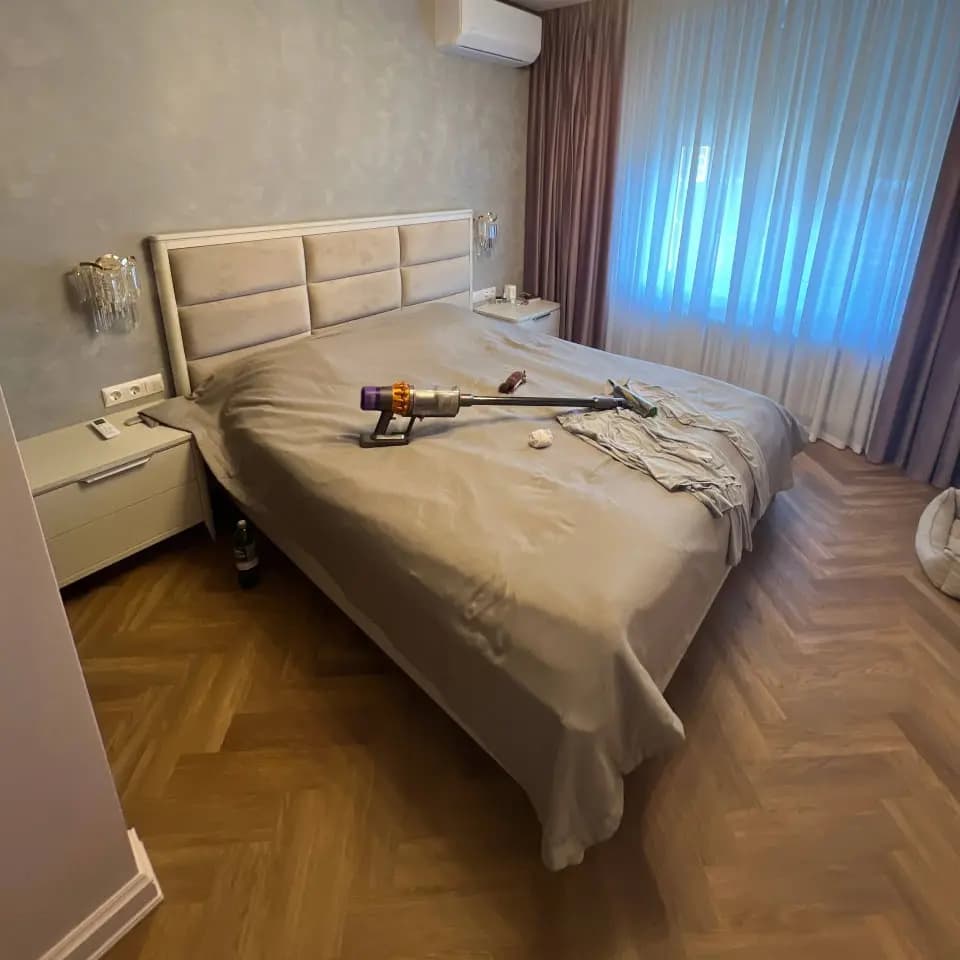
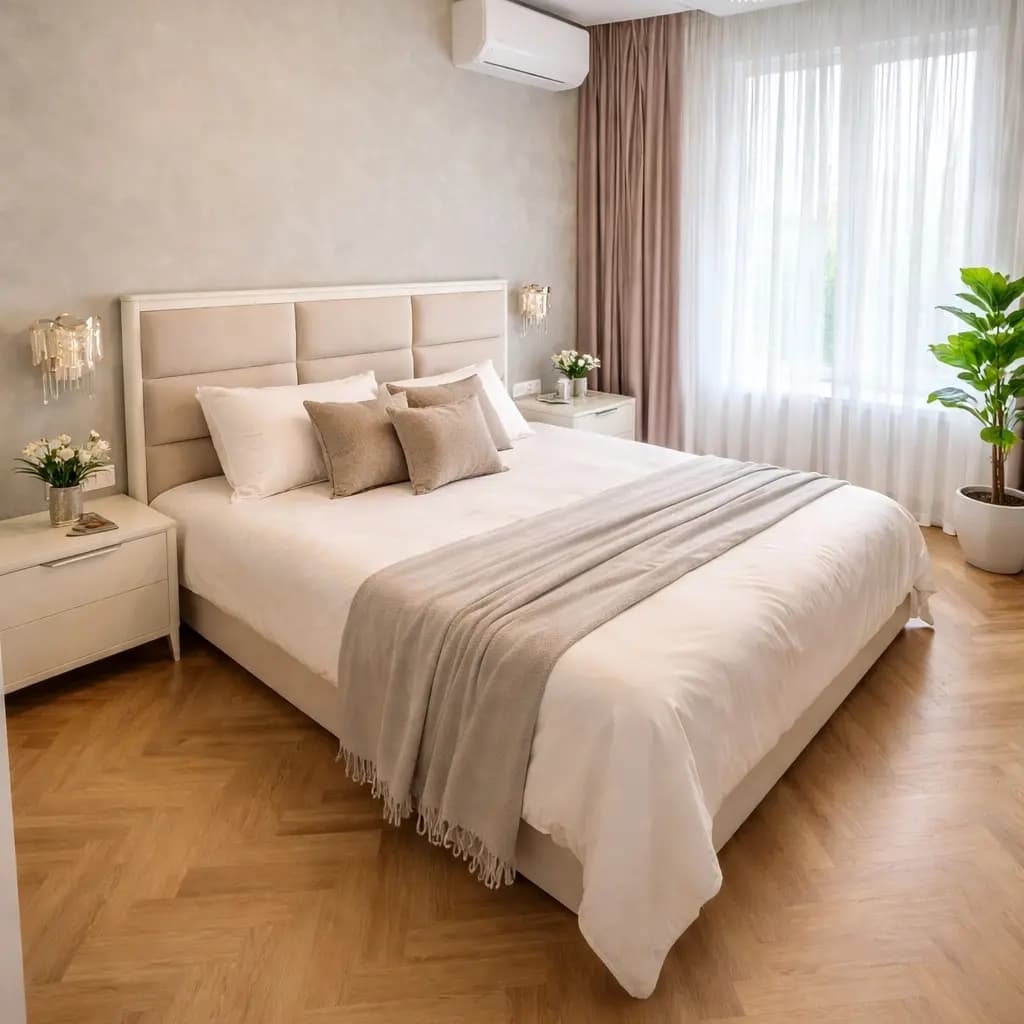
Transform empty rooms into stunning staged photos in 60 seconds. Starting at $0.10 per image.
Deciding Between Boston and Philadelphia
Acknowledge party walls in the staging plan
Philadelphia rowhouses and Boston triple-deckers share walls with neighbors, which limits window placement and natural light. Stage rooms with multiple lamp sources and lighter rugs to expand the perceived footprint. Avoid dark accent walls on the party-wall side, since they collapse the room visually in listing photos.
Style the trinity or narrow rowhouse vertically
Trinity homes in Philadelphia and narrow Boston townhomes ask buyers to imagine living across floors rather than across a single plan. Stage each floor with a complete, photographable moment. Skip the half-staged guest room or empty third floor, since those gaps make the home feel unfinished even when the bones are strong.
Lean into exposed brick selectively
Philadelphia buyers in the river wards expect at least one exposed-brick wall and respond to staging that pairs it with blackened steel shelving and warm wood. Boston buyers accept brick but do not require it. If the brick is painted, leave it painted in the staging rather than digitally restoring it.
Stage the rear patch as usable outdoor space
Both cities have small rear yards that buyers underestimate. Stage them with a two-person bistro set, a planter or two, and string lights. A photo of a usable thirty-square-foot patio outperforms a photo of an empty one by a wide margin in both Center City and the South End.
Time the photo shoot to neighborhood character
Philadelphia's Society Hill and Old City photograph beautifully in late afternoon when the brick warms. Boston's Beacon Hill and Charlestown look strongest in mid-morning when the gas lamps and brick read clean. Match the shoot window to the neighborhood and the listing photos will feel native rather than generic.
Boston vs Philadelphia FAQ
Is Boston or Philadelphia more affordable for homebuyers?
Philadelphia is more affordable with a median home price of $265,000 compared to Boston's $795,000 — a difference of $530,000 (67%). However, affordability also depends on local incomes, property taxes, and cost of living. Both markets offer opportunities for buyers at different price points.
Which market is hotter, Boston or Philadelphia?
Boston is currently the faster-moving market with homes averaging 31 days on market, compared to 50 days in Philadelphia. A shorter time on market typically indicates stronger buyer demand and more competition. Agents in Boston need to list quickly — virtual staging helps get listings photo-ready in minutes, not weeks.
Should I stage my home when selling in Boston or Philadelphia?
Absolutely — staged homes sell faster and for more money in both markets. In Boston (median $795,000), even a 1-2% price increase from staging can mean thousands more at closing. In Philadelphia (median $265,000), the same applies. Virtual staging with Agent Lens costs just $0.10 per image, making it a no-brainer for agents in either market.
How does virtual staging help in competitive markets like Boston and Philadelphia?
Virtual staging transforms empty rooms into beautifully furnished spaces in under 60 seconds. In competitive markets, first impressions matter — 97% of buyers start their search online. Staged listing photos get more clicks, more showings, and higher offers. At $0.10 per image, virtual staging delivers professional results at a fraction of physical staging costs ($2,000-$5,000+).
Is virtual staging more effective in Boston or Philadelphia?
It performs strongly in both, but the inventory differences shift where the lift comes from. Philadelphia has more vacant rowhouses on the market because the rehab cycle pushes inventory faster, so virtual staging fills more empty homes. Boston has more occupied listings where digital decluttering and re-staging matter more than full furniture replacement. The technique works in both cities, but the use case differs.
Do Philadelphia buyers care about the kitchen staging more than Boston buyers?
Yes, in my experience. Philadelphia buyers, particularly in Center City and the river wards, evaluate the kitchen first because rowhouse kitchens are often the most renovated room. I stage the counter with a cutting board, a small fruit bowl, and a single cookbook propped open. Boston buyers care about the kitchen but more often weigh the bedroom count and primary suite layout earlier in their decision.
How should I handle staged photos for a triple-decker conversion?
Treat each unit as its own listing within the same building. Stage the unit being marketed in full, but include exterior photos that communicate the building character. If the listing is the whole triple-decker as an investment, stage one unit fully and show the other two with light staging or unstaged reference images. Buyers underwriting the building need to see livability and rental potential separately.
Are the staging color palettes really that different between the two cities?
They overlap more than they diverge, but the edges matter. Philadelphia accepts terracotta, ochre, and deeper jewel tones in Fishtown and Graduate Hospital that would feel loud in a Charlestown two-bedroom. Boston accepts muted greens, warm whites, and navy across most neighborhoods. When in doubt, study three recent sold listings in the immediate area and match their palette range rather than guessing from a city-wide template.
Does either market punish over-staged photos?
Both do. Philadelphia buyers tend to be more vocal in showing feedback when staging feels like theater rather than livability. Boston buyers are quieter but vote with their feet by skipping showings. The fix is the same in either city. Stage rooms with restraint, leave at least one corner under-styled, and provide an unstaged reference photo per major room so buyers can verify proportions.