

Boston vs Austin: Which city is better for real estate?
Boston and Austin sit at opposite ends of the American architectural and cultural spectrum, yet both cities reward agents who treat staging as a regional dialect. Boston's housing stock spans Federal-era row houses in Beacon Hill, Italianate brownstones in the South End, three-deckers in Dorchester and Jamaica Plain, Queen Anne Victorians in Cambridge's West Cambridge neighborhood, and contemporary harborfront condominiums in the Seaport District. Austin's inventory leans newer and more eclectic: bungalows in Hyde Park and Travis Heights, mid-century ranches in Allandale and Crestview, modern infill in East Austin and Mueller, and contemporary builds along the Highway 360 corridor. Buyers in Boston respond to staging that respects historical architecture — period millwork, antique-inspired rugs, formal dining rooms — while Austin buyers expect casual, indoor-outdoor staging with biophilic elements, native plants, and patios sized for live music and entertaining. Virtual staging from AIStage helps agents adapt furniture vocabulary to each market. A Beacon Hill brick row house demands tufted leather chairs, brass library lamps, and persian-style rugs scaled to narrow rooms; a Hyde Park bungalow accepts linen sectionals, jute rugs, and ceiling fans suited to Texas summers.
Boston vs Austin
Real Estate Market Comparison
Thinking about buying or selling property? Compare the Boston, MA and Austin, TX real estate markets side by side — from median prices and days on market to top neighborhoods and staging strategies.
Migration Insight
Boston neighborhoods divide into distinct staging categories. Beacon Hill and Back Bay row houses from the 1820s through 1880s feature gas-converted fireplaces, original heart-pine floors, and steep narrow staircases. Stage with antique reproductions, Chesterfield sofas, brass library lamps, and oriental-style rugs scaled to room dimensions. Cambridge's West Cambridge and Avon Hill neighborhoods accept Queen Anne Victorian staging with wallpapered accent walls, claw-foot chairs, and beveled mirrors. Three-deckers in Jamaica Plain and Dorchester reward simpler transitional staging — linen sofas, painted casework, and pendant lighting that respects the working-class roots of the architecture. Seaport District condominiums work best with contemporary staging featuring black-framed windows, low sectionals, and harbor-facing furniture arrangements. Austin presents very different rhythms. Hyde Park and Travis Heights bungalows from the 1920s call for Craftsman staging similar to Atlanta or East Nashville, with painted brick fireplaces and porch swings. Allandale ranches reward mid-century modern staging with walnut credenzas. East Austin and Mueller modern builds accept loft-industrial staging with concrete floors and Edison-bulb fixtures. Suburban Westlake and Lakeway markets respond to family-focused staging with outdoor kitchens, pool decks, and shaded patios.
- Back Bay
- South End
- Beacon Hill
- Cambridge
- Brookline
- South Congress
- Zilker
- East Austin
- Westlake
- Cedar Park
Boston's historic housing stock and high prices create unique staging challenges. Buyers seek character with modern updates, and staged photos help them see past dated finishes to a home's potential. Virtual staging is ideal for Boston's many pre-war homes that need visual updating.
Austin's tech-driven economy brings design-savvy buyers who expect modern, well-staged listings. The market has cooled from its 2022 peak, making professional presentation more important than ever. Virtual staging helps Austin agents compete for tech workers with high aesthetic standards.
Market Dynamics: Boston vs Austin
### Boston's historical density and Austin's eclectic newness
Boston's housing stock is among the oldest in the country, with significant inventory predating 1900. Beacon Hill row houses, Back Bay brownstones, and Cambridge Victorians demand staging that respects original architecture. Furniture should fit narrow stairs and small rooms — sofas under 78 inches, dining tables for four to six rather than eight to ten, and table lamps rather than oversized floor lamps that crowd tight spaces. Virtual staging tools that include traditional, transitional, and Victorian categories give Boston agents flexibility. The Seaport District and Fort Point break from this pattern with new contemporary construction that accepts harder-edged modern staging — black metal coffee tables, leather sectionals in cognac, abstract canvases referencing the harbor. Austin's housing inventory tells a different story. The city has grown so quickly since 2010 that new construction dominates many neighborhoods, while older bungalows and ranches remain in pockets like Hyde Park, Clarksville, and Allandale. Agents working Austin commonly stage a 1925 Craftsman on Monday and a 2024 modern infill on Friday, requiring distinct staging vocabularies. AIStage style libraries with separate Texas Hill Country, Austin Modern Farmhouse, and East Austin Industrial categories let agents pivot quickly without rebuilding presentation systems.
### Climate, outdoor space, and staging priorities
Boston's seasonal extremes shape staging priorities. Winter listings emphasize interior fireplaces, library nooks, and cozy reading chairs near windows. Summer listings highlight rooftop decks in the South End and Back Bay, small patios in Cambridge, and harbor-facing balconies in the Seaport. Outdoor staging stays relevant from May through October but rarely drives the same marketing weight as in Sun Belt cities. Austin's longer warm season makes outdoor staging a year-round priority. Front porches in Hyde Park and Travis Heights need ceiling fans, porch swings, and string lights staged in. Backyards in Allandale and Mueller reward shaded patios, outdoor dining sets, and native plant landscaping with live oaks, yaupon hollies, and Texas sage. Pool staging matters from March through November. Boston interiors commonly photograph darker due to narrow lots and shaded streets in older neighborhoods, while Austin interiors photograph brighter but contend with harsh midday sun. Both markets benefit from virtual staging tools that include relighting in addition to furniture replacement, since neither city's natural light conditions match the studio-style daylight assumed by generic staging libraries.
Key Takeaways
Price difference: $270,000 (34%)
Austin ($525,000) is $270,000 more affordable than Boston ($795,000).
Speed difference: 24 days
Homes in Boston sell in 31 days on average vs 55 days in Austin.
More affordable: Austin, TX
With a median price of $525,000, Austin offers more entry-level options for first-time buyers and investors.
Faster market: Boston, MA
At 31 days on market, Boston moves faster. Sellers in this market benefit most from being listing-ready on day one — virtual staging delivers in under 60 seconds.
Stage Your Listing in Either Market
Transform empty rooms into stunning staged photos in 60 seconds. Starting at $0.10 per image.
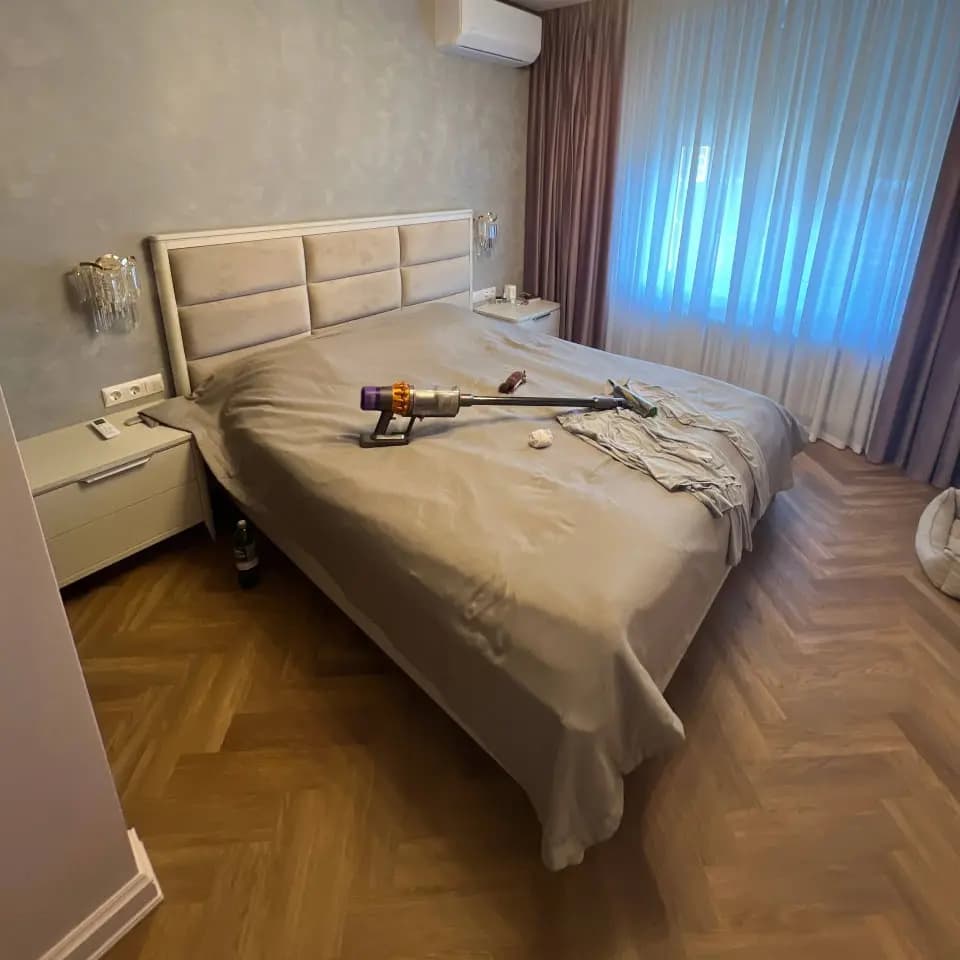
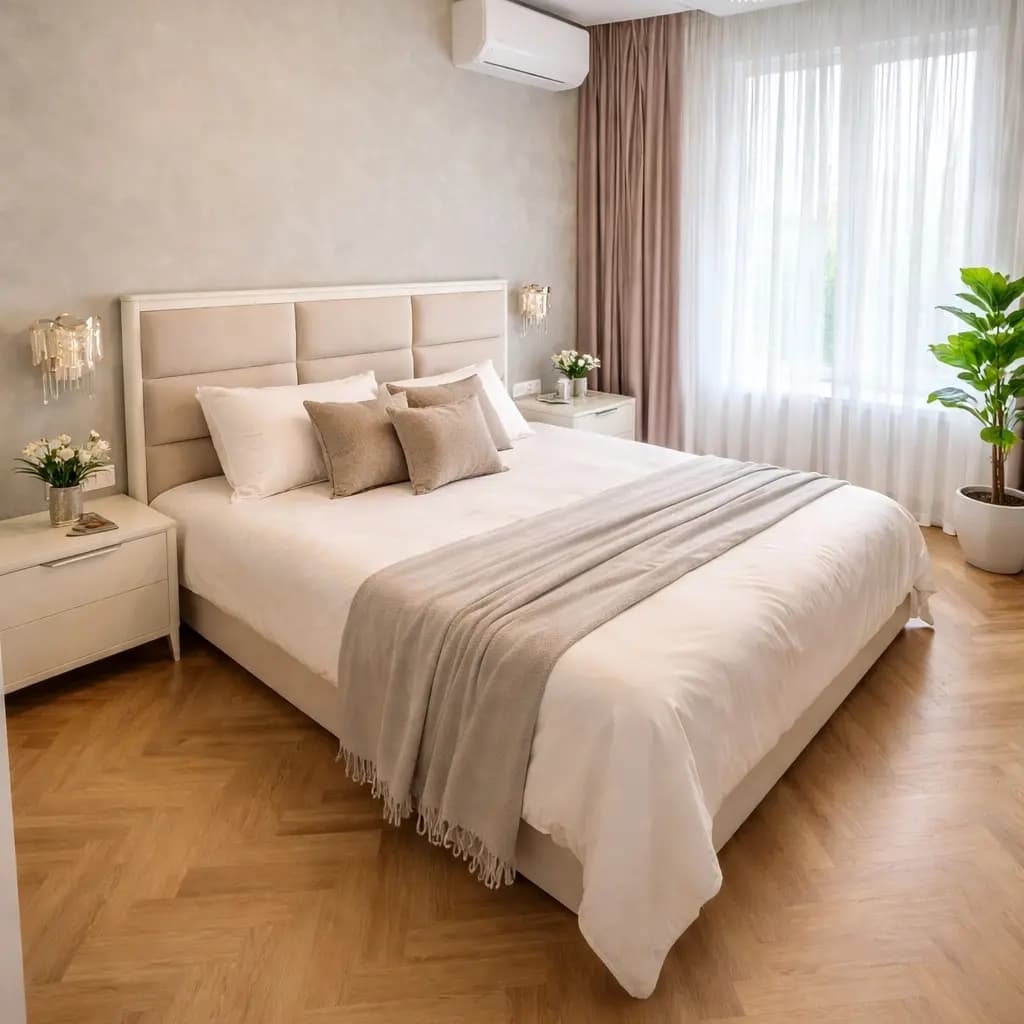
Deciding Between Boston and Austin
For Beacon Hill and Back Bay row houses,
For Beacon Hill and Back Bay row houses, choose sofas no longer than 78 inches and dining tables sized for six to fit narrow rooms without overwhelming sightlines.
Hyde Park Austin bungalows look strongest with painted
Hyde Park Austin bungalows look strongest with painted brick fireplaces in Sherwin-Williams Tricorn Black and walnut floating mantels paired with linen sectionals.
South End Boston condos benefit from Edwardian-influenced staging
South End Boston condos benefit from Edwardian-influenced staging — tufted bench seats, milk-glass pendants, and persian-style rugs in muted blues and golds.
East Austin modern infills work best with industrial
East Austin modern infills work best with industrial loft staging: black-frame coffee tables, leather sectionals in saddle, and oversized abstract canvases.
Cambridge Victorian homes accept wallpapered accent walls in
Cambridge Victorian homes accept wallpapered accent walls in botanical or William Morris-style patterns paired with antique brass sconces and beveled mirrors.
Boston vs Austin FAQ
Is Boston or Austin more affordable for homebuyers?
Austin is more affordable with a median home price of $525,000 compared to Boston's $795,000 — a difference of $270,000 (34%). However, affordability also depends on local incomes, property taxes, and cost of living. Both markets offer opportunities for buyers at different price points.
Which market is hotter, Boston or Austin?
Boston is currently the faster-moving market with homes averaging 31 days on market, compared to 55 days in Austin. A shorter time on market typically indicates stronger buyer demand and more competition. Agents in Boston need to list quickly — virtual staging helps get listings photo-ready in minutes, not weeks.
Should I stage my home when selling in Boston or Austin?
Absolutely — staged homes sell faster and for more money in both markets. In Boston (median $795,000), even a 1-2% price increase from staging can mean thousands more at closing. In Austin (median $525,000), the same applies. Virtual staging with Agent Lens costs just $0.10 per image, making it a no-brainer for agents in either market.
How does virtual staging help in competitive markets like Boston and Austin?
Virtual staging transforms empty rooms into beautifully furnished spaces in under 60 seconds. In competitive markets, first impressions matter — 97% of buyers start their search online. Staged listing photos get more clicks, more showings, and higher offers. At $0.10 per image, virtual staging delivers professional results at a fraction of physical staging costs ($2,000-$5,000+).
Why are Boston's furniture scale rules different from other cities?
Boston's row houses and three-deckers were built before standardized 20th-century floor plans. Beacon Hill rooms commonly measure 11 by 14 feet with 8.5-foot ceilings, while Back Bay brownstones average 12 by 16 feet with 10-foot ceilings. Sofas longer than 78 inches and dining tables for eight or more crowd these rooms in photos. Virtual staging that uses scale-appropriate furniture preserves the architectural character that drew the buyer to the listing in the first place.
How does Austin's outdoor staging differ from northeastern cities?
Austin's warm season runs March through November, making outdoor staging a marketing priority across most of the year. Front porches need ceiling fans, porch swings, and string lights. Backyards reward shaded patios with outdoor dining sets, native plant landscaping, and pool staging where applicable. Boston's outdoor staging matters from May through October but rarely drives as much marketing weight as interior fireplaces and library nooks during the longer cold season.
Do Cambridge Victorians need wallpapered staging?
Many do. Avon Hill and West Cambridge Queen Anne Victorians feature 10- to 12-foot ceilings, original picture rails, and rooms designed for pattern-rich Victorian decor. Virtual staging that includes wallpapered accent walls in botanical or William Morris-style patterns honors the architecture better than blank-white minimalist staging. Pair with antique brass sconces, beveled mirrors, and dining chairs in mohair or velvet to complete the period-appropriate vocabulary.
What separates East Austin staging from Mueller staging?
East Austin retains older bungalows and 1940s ranches alongside aggressive new modern infill, so staging must match the specific property. Older bungalows accept Craftsman staging with painted brick fireplaces and porch swings; new modern infill calls for industrial loft staging with concrete floors and Edison-bulb fixtures. Mueller is a planned community of new construction with consistent modern farmhouse architecture, so staging is more uniform — black-framed windows, white walls, walnut tables, woven pendants.
Which markets reward seasonal staging adjustments most?
Boston rewards seasonal staging strongly. Winter listings should emphasize interior warmth — lit fireplaces, throw blankets on chairs, library nooks with reading lamps. Summer listings should highlight outdoor space and bright, airy interiors. Austin rewards seasonal adjustments less because the warm season dominates the marketing year, but interior staging during the August heat should emphasize ceiling fans, lighter fabrics, and shaded outdoor space rather than open patios in direct sun.