

Boise vs Salt Lake City: Which city is better for real estate?
Boise and Salt Lake City attract similar buyer profiles, yet listing photos demand different visual treatments to convert each audience. Boise's North End and East End neighborhoods favor warm-toned Craftsman bungalows with built-in oak shelving and clinker brick fireplaces, while Salt Lake's Avenues and Sugar House districts lean toward Victorian cottages and mid-century ramblers with original cove ceilings. Agents working both Treasure Valley and Wasatch Front markets often manage listings in the same week, and the staging vocabulary that wins one buyer can confuse the other. AgentLens AI virtual staging at aistage.pro recognizes these regional differences when generating room compositions, helping agents present each property in the visual language buyers already trust. This guide compares how staging decisions, furniture scale, and color stories should shift between the two metros, drawing on observed listing-photo patterns and published research from the National Association of Realtors and the Real Estate Staging Association. Whether you list a Foothills tri-level near Camel's Back Park or a brick four-square in Federal Heights, the right virtual staging approach reduces days on market and improves call-back rates from out-of-state buyers reviewing photos before booking flights to tour in person.
Boise vs Salt Lake City
Real Estate Market Comparison
Thinking about buying or selling property? Compare the Boise, ID and Salt Lake City, UT real estate markets side by side — from median prices and days on market to top neighborhoods and staging strategies.
Migration Insight
Boise buyers responding to Foothills and Northwest Boise listings increasingly come from California and Oregon, and they expect interior photography that matches Pacific Northwest editorial standards: pale oak floors, matte black hardware, sage and clay wall accents. Salt Lake City pulls a different buyer pool, with strong relocation traffic from Texas, Colorado, and California tech corridors heading toward Silicon Slopes. These buyers respond to staging that respects original architectural detail in the Avenues and Capitol Hill while showing how contemporary furniture fits the proportions of older Federal-style and bungalow floor plans. Sugar House and 9th and 9th listings perform best when virtual staging keeps original picture rails and built-ins visible rather than masking them with oversized sectionals. In Boise, Harris Ranch and Hidden Springs new construction needs warmer lighting and softer textiles to counter the cool gray palettes builders default to. Agents working Eagle and Meridian should request staging that acknowledges the larger great-room scale common in Treasure Valley new builds, while Draper and Cottonwood Heights listings benefit from staging that defines zones inside open-plan footprints near the Wasatch benches.
- North End
- Downtown
- Eagle
- Meridian
- Hyde Park
- Sugar House
- The Avenues
- Liberty Park
- Park City
- Draper
Boise's explosive growth has attracted California and Pacific Northwest buyers seeking affordability and outdoor lifestyle. These relocating buyers have elevated expectations from expensive home markets. Virtual staging helps Boise agents meet coastal buyer standards in this competitive mountain west market.
Salt Lake City's booming tech scene and outdoor lifestyle attract young professionals and families. Modern and mountain contemporary styles appeal to buyers in this growing market. Virtual staging helps agents present the aspirational Utah lifestyle to relocating buyers.
Market Dynamics: Boise vs Salt Lake City
### Architectural Vocabulary Shapes Staging Decisions
Boise's housing stock concentrates around three eras: 1900-1940 Craftsman and Tudor Revival in the North End, 1950-1975 ranch and split-level in the Bench and Maple Grove, and 2005-present transitional farmhouse in Harris Ranch, Eagle, and Meridian. Each era responds to a specific furniture grammar. A 1925 Craftsman on Resseguie Street wants Stickley-inspired oak pieces, leather club chairs, and warm wool rugs that respect the box-beam ceilings. Drop a glass-and-chrome dining set into that frame and the photo reads as rental-grade. Salt Lake's stock skews older in the core neighborhoods, with 1890-1920 Victorian and Prairie School homes filling the Avenues and Capitol Hill, plus extensive mid-century ranch coverage in Holladay and Millcreek. The Avenues calls for restraint: a velvet wingback near the bay window, a low-profile sofa that does not block original transom glass, and area rugs sized to reveal the parquet borders.
### Light, Color, and Buyer Expectations Diverge
Boise sits at 2,730 feet and Salt Lake at 4,226 feet, and the altitude difference shows in interior photography. Salt Lake's higher-elevation light reads cooler and bluer through south-facing windows, especially in the Avenues looking toward downtown. Virtual staging there benefits from warmer wood tones, terracotta accents, and brass fixtures that counter the cool ambient light. Boise's lower valley light reads softer and more golden, particularly in afternoon photos shot in the East End and Warm Springs Mesa. Cooler accent colors like dusty teal, slate blue, and pale moss work without making rooms feel chilly. Buyer expectations diverge too. Salt Lake relocation buyers from California and Texas often arrive with modernist preferences and reward staging that shows clean-lined credenzas and Noguchi-style coffee tables. Boise buyers from Oregon and Washington trend toward organic modern: round jute rugs, bouclé chairs, and ceramic table lamps with natural linen shades. Matching staging to the buyer pool reading the listing matters more than chasing a single national trend.
Key Takeaways
Price difference: $70,000 (14%)
Boise ($445,000) is $70,000 more affordable than Salt Lake City ($515,000).
Speed difference: 3 days
Homes in Salt Lake City sell in 37 days on average vs 40 days in Boise.
More affordable: Boise, ID
With a median price of $445,000, Boise offers more entry-level options for first-time buyers and investors.
Faster market: Salt Lake City, UT
At 37 days on market, Salt Lake City moves faster. Sellers in this market benefit most from being listing-ready on day one — virtual staging delivers in under 60 seconds.
Stage Your Listing in Either Market
Transform empty rooms into stunning staged photos in 60 seconds. Starting at $0.10 per image.
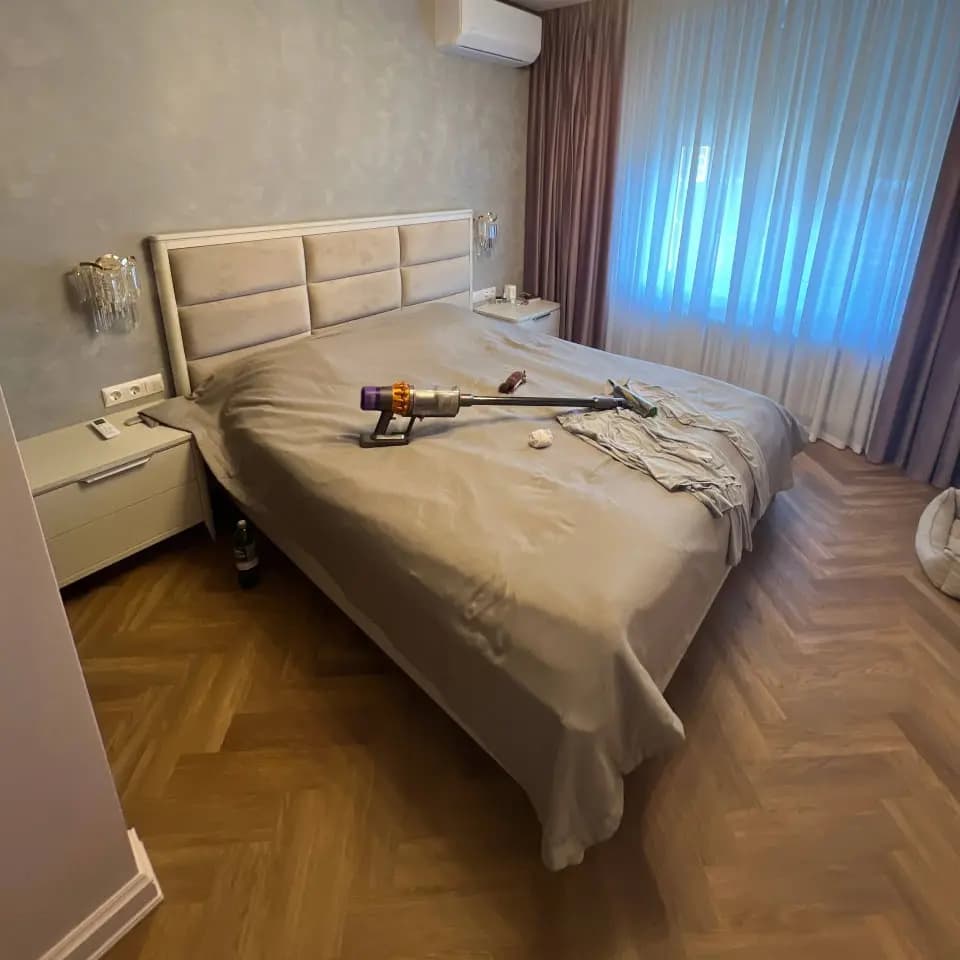
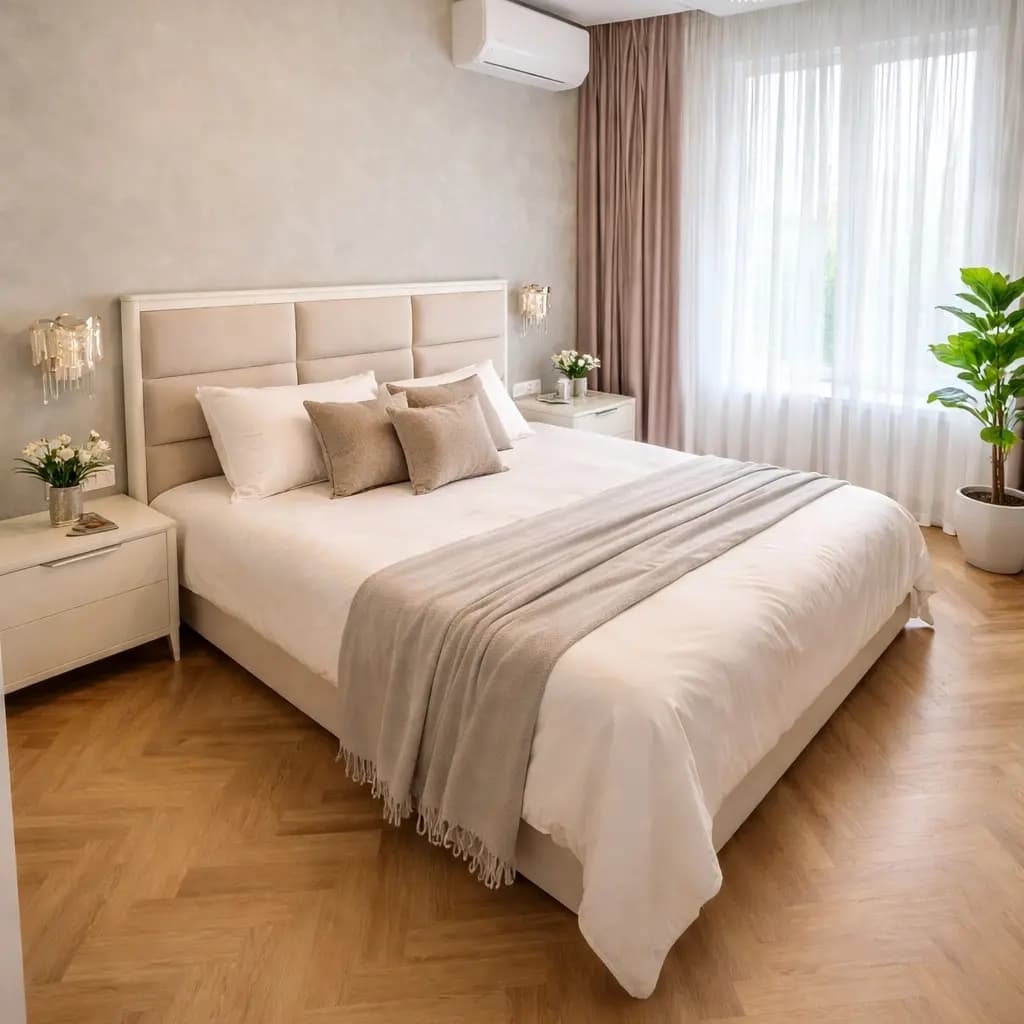
Deciding Between Boise and Salt Lake City
For North End Boise Craftsman listings, request virtual
For North End Boise Craftsman listings, request virtual staging that keeps original built-in bookcases and clinker brick fireplaces unobstructed; place a leather chair at an angle rather than a sectional that hides the cabinetry.
In Salt Lake's Avenues, ask for furniture scaled
In Salt Lake's Avenues, ask for furniture scaled to original 9-foot ceilings and narrow doorways; oversized sectionals common in Draper new builds make Avenue cottages photograph as cramped.
For Foothills Boise listings with mountain views, stage
For Foothills Boise listings with mountain views, stage the dining and living area with low-profile pieces so the window line and ridge silhouette stay visible in wide-angle photos.
In Sugar House bungalows, request rugs that reveal
In Sugar House bungalows, request rugs that reveal at least 12 inches of original oak flooring around the perimeter to signal restoration quality to design-conscious buyers.
For Harris Ranch and Eagle new construction, counter
For Harris Ranch and Eagle new construction, counter builder-gray palettes with virtual staging that introduces warm oak, rust upholstery, and clay-toned ceramics to make spec homes feel lived-in.
Boise vs Salt Lake City FAQ
Is Boise or Salt Lake City more affordable for homebuyers?
Boise is more affordable with a median home price of $445,000 compared to Salt Lake City's $515,000 — a difference of $70,000 (14%). However, affordability also depends on local incomes, property taxes, and cost of living. Both markets offer opportunities for buyers at different price points.
Which market is hotter, Boise or Salt Lake City?
Salt Lake City is currently the faster-moving market with homes averaging 37 days on market, compared to 40 days in Boise. A shorter time on market typically indicates stronger buyer demand and more competition. Agents in Salt Lake City need to list quickly — virtual staging helps get listings photo-ready in minutes, not weeks.
Should I stage my home when selling in Boise or Salt Lake City?
Absolutely — staged homes sell faster and for more money in both markets. In Boise (median $445,000), even a 1-2% price increase from staging can mean thousands more at closing. In Salt Lake City (median $515,000), the same applies. Virtual staging with Agent Lens costs just $0.10 per image, making it a no-brainer for agents in either market.
How does virtual staging help in competitive markets like Boise and Salt Lake City?
Virtual staging transforms empty rooms into beautifully furnished spaces in under 60 seconds. In competitive markets, first impressions matter — 97% of buyers start their search online. Staged listing photos get more clicks, more showings, and higher offers. At $0.10 per image, virtual staging delivers professional results at a fraction of physical staging costs ($2,000-$5,000+).
Does virtual staging work better for Boise or Salt Lake City listings?
Both markets respond well, but the staging direction differs. Boise listings, especially in the North End and Foothills, convert best with warm organic-modern compositions matching Pacific Northwest buyer expectations. Salt Lake's Avenues and Sugar House respond to restoration-respecting staging that preserves original detail. New construction in Meridian, Eagle, Draper, and Cottonwood Heights benefits from staging that warms builder-spec gray finishes regardless of metro.
How should I adjust staging for relocation buyers viewing photos online?
Relocation buyers often make showing decisions from photos alone before flying in. For Boise, lean into Pacific Northwest cues: pale oak, matte black, sage, and clay tones. For Salt Lake, acknowledge the buyer mix from California tech and Texas energy corridors with cleaner-lined modernist staging in newer builds and architecturally respectful staging in Avenues, Capitol Hill, and 9th and 9th historic homes.
Should I stage every room virtually or focus on key spaces?
Real Estate Staging Association research consistently identifies living rooms, primary bedrooms, and dining areas as the highest-impact spaces. For Boise bungalows and Salt Lake cottages with smaller footprints, also stage the breakfast nook or sunroom because those rooms differentiate older homes from suburban competition. For Treasure Valley and Wasatch Front new construction, staging the great room and primary suite typically delivers the strongest call-back rate.
How do I handle listings with original architectural details I want to highlight?
Request virtual staging that places furniture away from focal points like original mantels, built-ins, picture rails, and stained glass. In Boise's East End and Salt Lake's Capitol Hill, these details are the listing's strongest selling point. Choose furniture pieces with lower profiles and visible legs so cameras capture the floor and wall transitions where craftsmanship lives.
Are vacant new-construction homes worth virtual staging in these markets?
Yes. National Association of Realtors data shows vacant homes sit on market longer than staged comparables. Builder-finished homes in Meridian, Eagle, Harris Ranch, Draper, and Lehi often share identical floor plans, and virtual staging differentiates one unit from another in MLS searches. Warming the gray-and-white spec palette with virtual staging creates emotional pull that empty rooms cannot.