

Austin vs Seattle: Which city is better for real estate?
Austin and Seattle both pull tech relocators, but the buyer instincts in each city are almost opposite. Austin buyers want patios, pools, shade, and indoor-outdoor flow that reads on a phone screen by 6 PM. Seattle buyers want windows that frame water or trees, dry mudrooms, garages with a workbench, and a clear answer on heating. The architectural inventory reinforces those instincts. Austin runs from Travis Heights bungalows to South Congress new builds and Mueller infill, with a long suburban belt across Round Rock and Cedar Park built between 1995 and 2015. Seattle runs from Craftsman bungalows in Wallingford and Phinney Ridge to Capitol Hill brick four-plexes, mid-century split-levels in West Seattle, and Ballard townhome rows built in the past decade. A virtual staging template that flatters a South Lamar new build will read cold inside a Wallingford Craftsman, and a palette tuned for a Queen Anne Tudor will look heavy inside a Bouldin Creek modern. AgentLens reads the architecture and adjusts the furniture style, palette, and accessory weight so each listing gets staging that fits its era and neighborhood. That single capability is what makes it practical for one agent to run both books without two stagers.
Austin vs Seattle
Real Estate Market Comparison
Thinking about buying or selling property? Compare the Austin, TX and Seattle, WA real estate markets side by side — from median prices and days on market to top neighborhoods and staging strategies.
Migration Insight
On the ground, the listing rhythms diverge. Austin agents work around heat and outdoor flow, scheduling shoots between 5 and 7 PM in Zilker, Barton Hills, and East Austin so patios and pools photograph well. Buyers tour with a bias toward outdoor rooms, and a staged backyard often outperforms a staged dining room on click-through. Seattle agents work around the gray season. They schedule shoots for the cleanest light windows, often midday in late spring and early fall, and they stage rooms with warmer palettes and softer textiles to counter the gray exteriors. Capitol Hill, Madrona, and Mount Baker reward staging that respects original Craftsman trim. Ballard and South Lake Union new builds reward cleaner contemporary palettes. AgentLens lets one agent toggle between these two operating modes inside a single workflow. An Austin Crestview ranch gets a Texas-modern patio scene, while a Seattle Phinney Ridge bungalow gets a layered wool-and-walnut interior tuned to overcast light.
- South Congress
- Zilker
- East Austin
- Westlake
- Cedar Park
- Capitol Hill
- Ballard
- Queen Anne
- Fremont
- West Seattle
Austin's tech-driven economy brings design-savvy buyers who expect modern, well-staged listings. The market has cooled from its 2022 peak, making professional presentation more important than ever. Virtual staging helps Austin agents compete for tech workers with high aesthetic standards.
Seattle's tech-fueled market features design-conscious buyers and fast-moving inventory. Homes sell in under a month, so agents need staging that's ready on day one. Virtual staging delivers in 60 seconds — perfect for Seattle's rapid-fire market pace.
Market Dynamics: Austin vs Seattle
### Buyer Behavior and Architectural Mix
Austin and Seattle attract similar income tiers, but they sort buyers into different priority stacks. Austin buyers, often relocating from California or the Northeast for roles at Apple, Tesla, Oracle, or one of the major studios in Mueller, prioritize patios, pools, and tree canopy. They tour Travis Heights, Bouldin Creek, Zilker, and East Austin and they read indoor-outdoor flow as primary living square footage. They want photos that show shade, breeze, and a usable patio. Seattle buyers, often relocating from California or coming up from Portland, prioritize natural light, water or tree views, and a dry, organized garage and mudroom. They tour Wallingford, Phinney Ridge, Greenwood, Ballard, and Madrona and they read window placement and storage as deal-makers. Their photo priorities reverse Austin's. The architectural mix reinforces this. Austin's bungalow stock is lighter and more open, while Seattle's Craftsman stock leans on millwork, built-ins, and front porches. AgentLens applies the right furniture weight automatically when you label the listing correctly.
### Inventory Velocity and Staging ROI
The two cities clear inventory at different speeds. Austin runs a strong spring rush, a meaningful fall window, and slower mid-summer activity driven by heat. Listings in Allandale, Crestview, and Brentwood respond well to virtual staging that emphasizes shade and patio life. Mid-tier single-family in South Manchaca and North Loop benefits from staged office nooks and guest suites because relocator buyers tour with hybrid work in mind. The luxury tier in Westlake and Tarrytown often uses virtual staging to refresh furnished homes that have been sitting too long. Seattle runs a tighter spring window between March and June, a quieter fall, and a real winter slowdown driven by gray weather. Entry buyers in Greenwood, North Beacon Hill, and parts of Rainier Valley respond to staging that reads warm and lived-in. Move-up buyers in Wallingford, Madrona, and Mount Baker want staging that respects original Craftsman detail. The luxury tier in Madison Park, Laurelhurst, and parts of Magnolia expects editorial-grade interiors. RESA findings on staging speed apply across both cities, and AgentLens supports both palettes inside a single workflow.
Key Takeaways
Price difference: $305,000 (37%)
Austin ($525,000) is $305,000 more affordable than Seattle ($830,000).
Speed difference: 27 days
Homes in Seattle sell in 28 days on average vs 55 days in Austin.
More affordable: Austin, TX
With a median price of $525,000, Austin offers more entry-level options for first-time buyers and investors.
Faster market: Seattle, WA
At 28 days on market, Seattle moves faster. Sellers in this market benefit most from being listing-ready on day one — virtual staging delivers in under 60 seconds.
Stage Your Listing in Either Market
Transform empty rooms into stunning staged photos in 60 seconds. Starting at $0.10 per image.
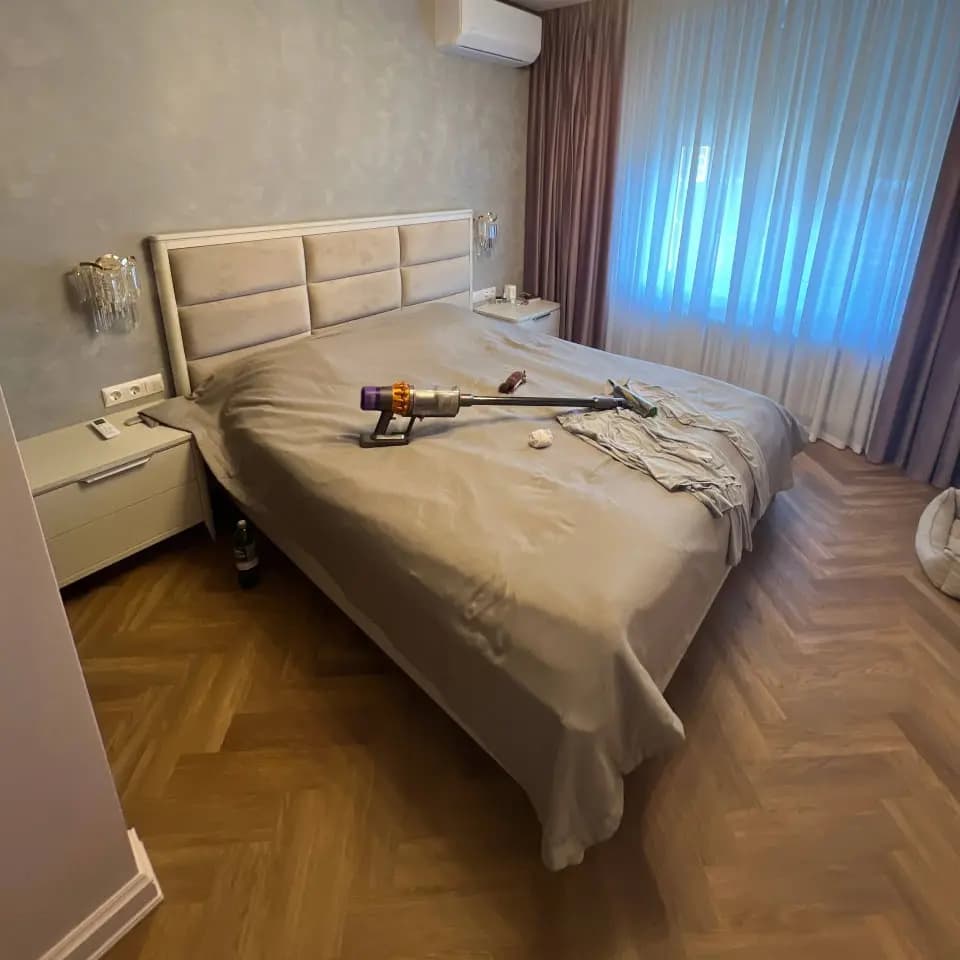
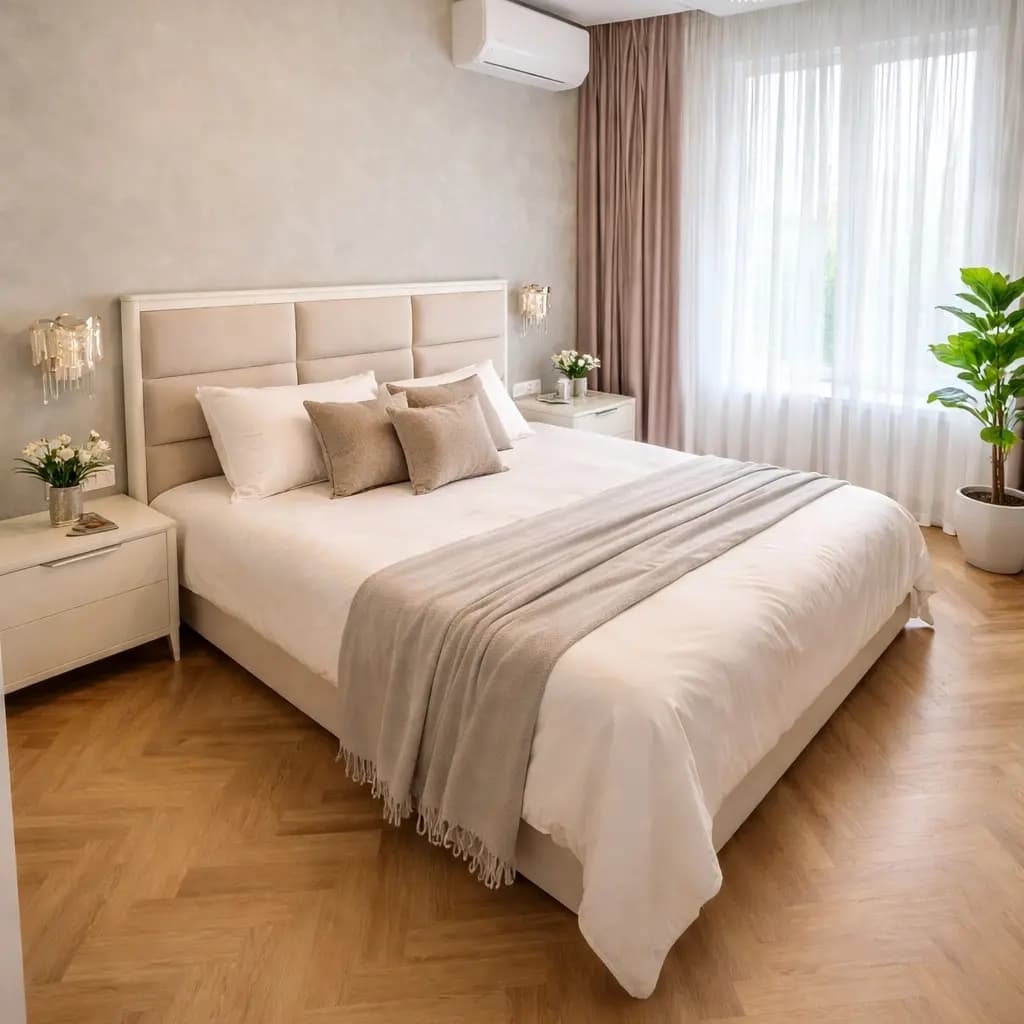
Deciding Between Austin and Seattle
Stage the Patio in Austin, the Window in Seattle
Austin buyers read outdoor space as primary living area. Seattle buyers read window placement and view as deal-makers. Use AgentLens to generate a patio vignette for Austin listings and a styled window-side reading nook for Seattle listings rather than reusing a single template across both cities.
Honor Craftsman Detail in Seattle
Wallingford, Phinney Ridge, and Mount Baker bungalows have original millwork, built-ins, and leaded windows. Heavy modern furniture buries that detail. Use warmer woods, layered textiles, and lower-profile upholstery so the staging supports the architecture rather than fighting it.
Plan Around Gray-Season Light in Seattle
Overcast skies flatten interiors. Schedule shoots for the cleanest spring or fall windows when possible, and use AgentLens to fill underlit rooms with warmer palettes. Pair virtually staged photos with one untouched reference photo per room and disclose in MLS remarks.
Stage Shade and Breeze in Austin
Hot exteriors photograph poorly midday. Schedule shoots between 5 and 7 PM, and use AgentLens to add patio furniture under existing tree canopy rather than imposing a deck on a yard that does not have one. Authenticity converts better than aspiration.
Disclose Virtual Staging Clearly in Both Markets
Austin Board of Realtors and Northwest MLS both expect a clear disclosure line in remarks identifying virtually staged photos. Keep one untouched reference photo per room. AgentLens preserves originals automatically so you have references ready if a cooperating agent or appraiser asks.
Austin vs Seattle FAQ
Is Austin or Seattle more affordable for homebuyers?
Austin is more affordable with a median home price of $525,000 compared to Seattle's $830,000 — a difference of $305,000 (37%). However, affordability also depends on local incomes, property taxes, and cost of living. Both markets offer opportunities for buyers at different price points.
Which market is hotter, Austin or Seattle?
Seattle is currently the faster-moving market with homes averaging 28 days on market, compared to 55 days in Austin. A shorter time on market typically indicates stronger buyer demand and more competition. Agents in Seattle need to list quickly — virtual staging helps get listings photo-ready in minutes, not weeks.
Should I stage my home when selling in Austin or Seattle?
Absolutely — staged homes sell faster and for more money in both markets. In Austin (median $525,000), even a 1-2% price increase from staging can mean thousands more at closing. In Seattle (median $830,000), the same applies. Virtual staging with Agent Lens costs just $0.10 per image, making it a no-brainer for agents in either market.
How does virtual staging help in competitive markets like Austin and Seattle?
Virtual staging transforms empty rooms into beautifully furnished spaces in under 60 seconds. In competitive markets, first impressions matter — 97% of buyers start their search online. Staged listing photos get more clicks, more showings, and higher offers. At $0.10 per image, virtual staging delivers professional results at a fraction of physical staging costs ($2,000-$5,000+).
Do Austin and Seattle buyers respond to the same staging style?
No. Austin buyers respond to staging that emphasizes patios, pools, shade, and indoor-outdoor flow. Seattle buyers respond to staging that emphasizes natural light, window placement, and warm interior palettes that counter the gray exterior season. Using one template across both cities undersells both. AgentLens generates city-appropriate furniture and palette choices automatically when you label the listing correctly, which is the difference between a saved listing and a scheduled showing on Zillow or Redfin.
Which city has stronger seasonal listing windows?
Austin runs a longer year with a strong spring, a meaningful fall, and a quieter mid-summer driven by heat. Seattle has a tighter primary window between March and June with a real winter slowdown. NAR's Profile of Home Buyers and Sellers shows national seasonality that mirrors this pattern at the city level. Plan virtual staging refreshes accordingly. Austin listings benefit from a fall photo refresh, while Seattle listings should secure their best photos before late June to capture peak buyer attention.
How does Craftsman architecture change staging strategy in Seattle?
Seattle's Craftsman stock in Wallingford, Phinney Ridge, Mount Baker, and parts of Madrona has original millwork, built-ins, and leaded windows that punish heavy modern furniture. Stage with warmer woods, lower-profile upholstery, and layered textiles so the architecture stays the hero. Austin's bungalow stock is lighter and more open and tolerates cleaner contemporary palettes. AgentLens reads the architectural cues from the photo and adjusts furniture weight automatically when you tag the listing era.
Are virtual staging disclosure rules different in the two markets?
The ethical standard under NAR is the same, but the local MLS phrasing differs. Austin Board of Realtors and Northwest MLS both expect a clear remark identifying virtually staged photos and an untouched reference photo per room. Keep originals organized in your listing folder and add a line to your MLS remarks. AgentLens preserves the original photos automatically so you can produce the reference images if a cooperating agent or appraiser requests them during contract.
Does virtual staging help luxury listings in both cities?
Yes. In Austin's Westlake and Tarrytown, virtual staging often refreshes furnished homes that have stalled, replacing dated pieces without a physical re-stage. In Seattle's Madison Park, Laurelhurst, and Magnolia, virtual staging is used to fill empty new construction or to test alternate palettes before a physical install. Both uses produce measurable click-through gains on Zillow and Redfin, especially during slower price-band windows when buyer attention is harder to capture in saved searches.