

Austin vs San Antonio: Which city is better for real estate?
Buyers calling me about Texas usually start with Austin, then ask about San Antonio once they see what their dollar buys an hour south on I-35. After fifteen years writing offers in both cities, I treat them as separate species. Austin is a tech-driven, design-forward market where buyers expect curated interiors and hardwood-and-quartz finishes pulled straight from a Domino spread. San Antonio runs on military relocations from JBSA-Lackland and Fort Sam Houston, multigenerational families, and a deep love of Spanish Colonial Revival, Mission, and mid-century brick ranches near Alamo Heights. Listing photos that win in Travis Heights or Mueller can read cold and impersonal in Stone Oak or Terrell Hills, and vice versa. Virtual staging gives you a way to dial the visual register up or down without paying two crews to rearrange physical furniture. I use AI staging on roughly half my Austin listings under the 78704 zip code and a smaller share in San Antonio's 78209 and 78230, mostly because vacant Austin homes lose offers fast while San Antonio buyers tour with more patience. The point of this comparison is practical: which finishes, which color stories, and which staging choices actually move days-on-market in each metro right now.
Austin vs San Antonio
Real Estate Market Comparison
Thinking about buying or selling property? Compare the Austin, TX and San Antonio, TX real estate markets side by side — from median prices and days on market to top neighborhoods and staging strategies.
Migration Insight
Austin's tech corridor along the Domain, Mueller, and East Riverside attracts remote workers from Apple, Tesla, and Oracle who tour twelve listings in a weekend and remember the ones with strong visual identity. They respond to warm white walls, light oak floors, black metal accents, and a single sculptural light fixture per room. San Antonio buyers in Alamo Heights, Olmos Park, and Monte Vista move slower and weigh family fit, school zoning to Alamo Heights ISD or NEISD, and proximity to the Pearl District. They favor saltillo tile, exposed wood beams, wrought iron, and warmer earth tones than Austin sellers would dare use. Climate matters too: both cities push past 100 degrees in July, but San Antonio's stucco-and-tile homes read cool in photos while Austin's modern farmhouse stock can look hot under the wrong virtual lighting. RESA's 2024 staging report notes staged homes sell faster on average, and that gap widens in price-sensitive secondary markets like San Antonio where buyers need help picturing themselves in a property.
- South Congress
- Zilker
- East Austin
- Westlake
- Cedar Park
- Alamo Heights
- Stone Oak
- The Pearl
- King William
- Southtown
Austin's tech-driven economy brings design-savvy buyers who expect modern, well-staged listings. The market has cooled from its 2022 peak, making professional presentation more important than ever. Virtual staging helps Austin agents compete for tech workers with high aesthetic standards.
San Antonio's affordable housing market attracts first-time buyers and military families. Staging helps these buyers visualize their first home purchase, and virtual staging keeps costs low for agents working in this value-conscious market.
Market Dynamics: Austin vs San Antonio
### Architectural stock and what staging should reinforce
Austin's competitive listings cluster around three building types: 1940s bungalows in Travis Heights and Hyde Park, 1960s ranches in Allandale and Crestview, and post-2015 modern farmhouses in Mueller and South Lamar. Each rewards a different staging hand. For the bungalows I lean into vintage rugs, leather club chairs, and a single mid-century credenza so the bones read intentional rather than dated. Ranches need help looking current without erasing their character; warm walnut, cane accents, and a cleaner kitchen vignette usually do it. Modern farmhouses are already over-staged in real life, so virtual furniture should be sparser than instinct suggests. San Antonio's stock skews older and more varied. Monte Vista holds Mediterranean Revival and Tudor homes from the 1920s with original tile and plaster details that virtual staging should respect. King William carries Victorian and Italianate housing, and Stone Oak runs newer 2000s production builds where buyers want a fresh, neutral palette they can actually picture moving into.
### Days on market and where staging earns its keep
Austin's market shifted hard between the 2021 frenzy and the slower 2024 conditions reported by Zillow Research and the Austin Board of Realtors. Vacant homes that used to clear in a weekend now sit, especially above the metro average price point. That is exactly where AI staging pays for itself; an empty 1970s ranch in Northwest Hills with virtual furniture pulls more saved searches than the same home shot empty. San Antonio behaves differently. The metro's lower price band, supported by JBSA relocations and a steady inflow from coastal markets, keeps mid-tier homes moving even without staging. The leverage point in San Antonio is the upper third of the market, particularly Alamo Heights, Terrell Hills, and the new builds along 1604 where buyers are choosier and want to see lifestyle rendered clearly. I virtually stage every vacant Austin listing now and roughly one in three San Antonio listings, prioritizing homes above the metro mid-price and any property with awkward room shapes that confuse buyers in the MLS thumbnails. For Austin I default to a palette of warm white, soft oak, charcoal, and a single accent in deep green or ochre. Furniture stays low-profile so ceiling lines breathe in photographs. For San Antonio I push warmer: cream walls, terracotta accents, wrought iron lighting, and rugs with visible pattern rather than the flat neutrals that work in Austin. Both cities benefit from staged outdoor spaces because backyards sell here, but Austin patios need a clean steel-and-cedar look while San Antonio courtyards want talavera planters and string lights to feel right.
Key Takeaways
Price difference: $245,000 (47%)
San Antonio ($280,000) is $245,000 more affordable than Austin ($525,000).
Speed difference: 3 days
Homes in San Antonio sell in 52 days on average vs 55 days in Austin.
More affordable: San Antonio, TX
With a median price of $280,000, San Antonio offers more entry-level options for first-time buyers and investors.
Faster market: San Antonio, TX
At 52 days on market, San Antonio moves faster. Sellers in this market benefit most from being listing-ready on day one — virtual staging delivers in under 60 seconds.
Stage Your Listing in Either Market
Transform empty rooms into stunning staged photos in 60 seconds. Starting at $0.10 per image.
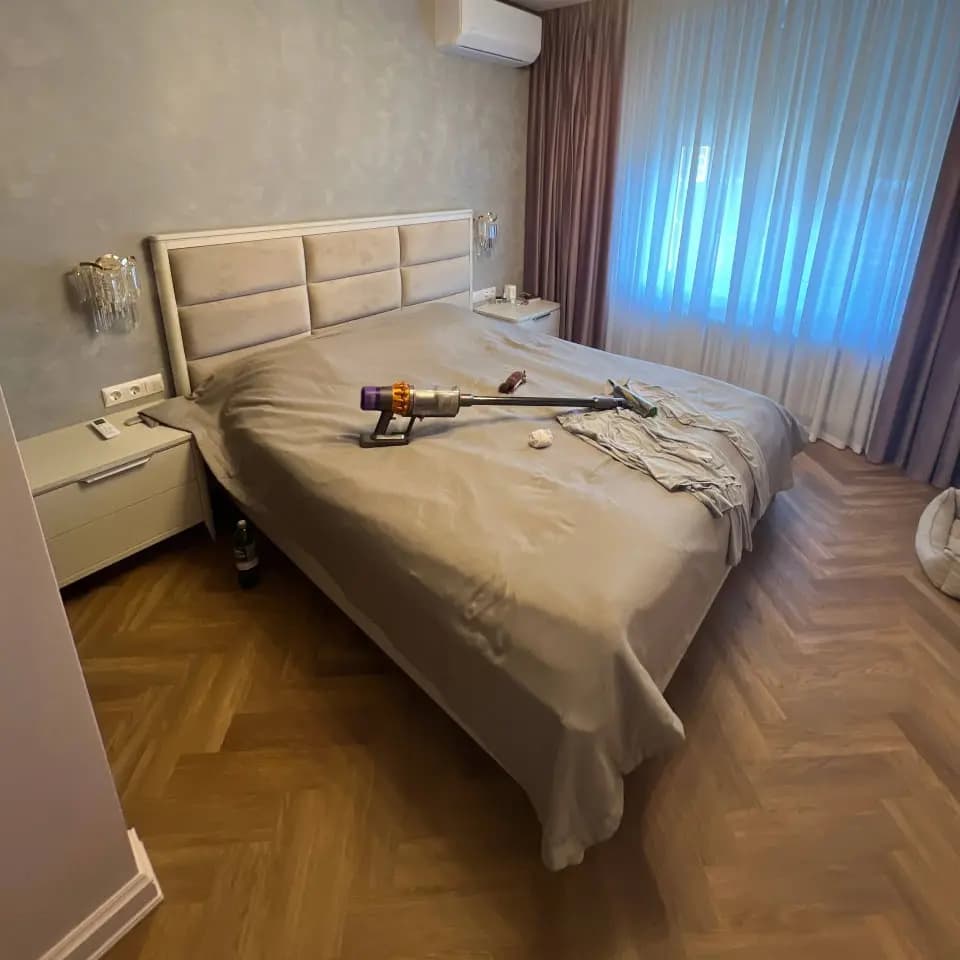
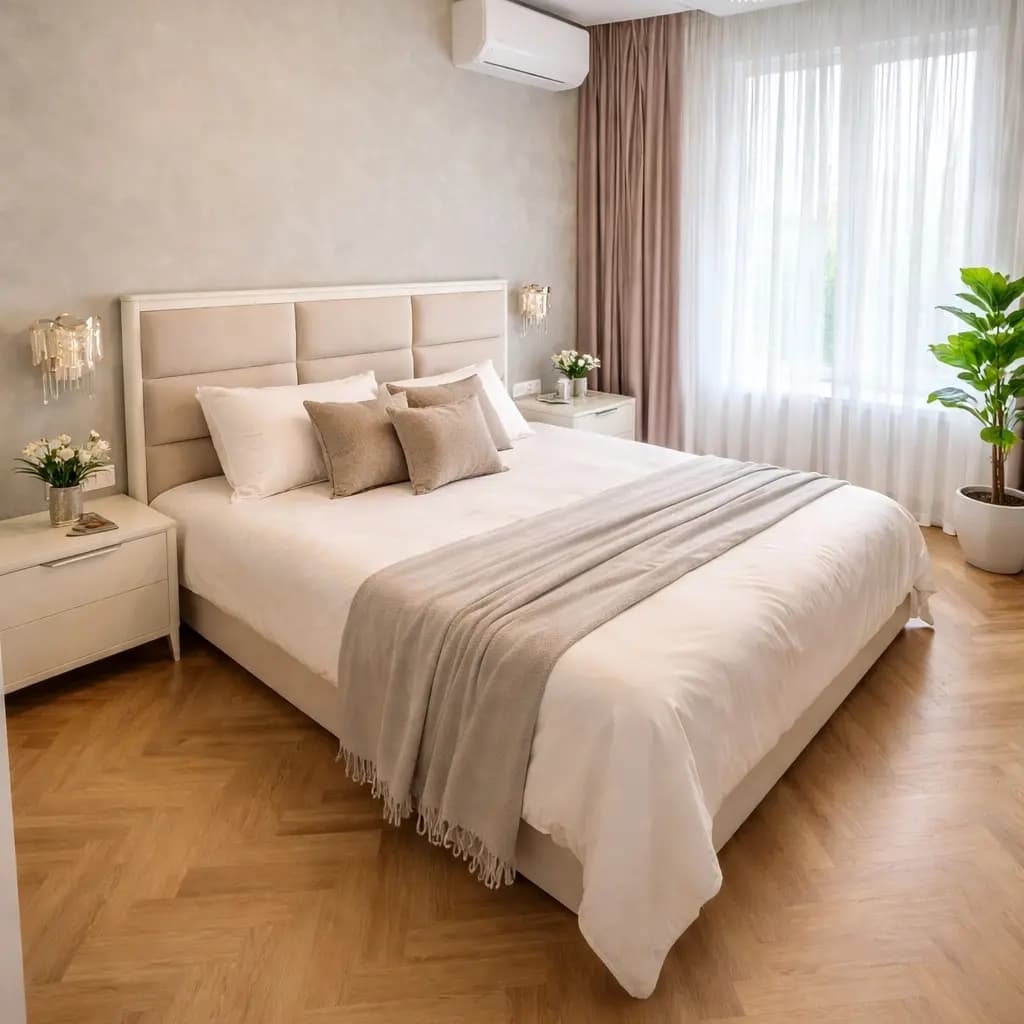
Deciding Between Austin and San Antonio
Match staging style to neighborhood, not metro
Travis Heights buyers expect different finishes than Circle C buyers, and Monte Vista shoppers reject the same look that works in Stone Oak. Pull three recent solds within half a mile and stage to that visual standard, not a generic Texas template. The closer your staged interior reads to nearby comps, the faster appraisers and buyers anchor value.
Stage for Texas heat, not Pinterest seasons
Heavy throws, velvet couches, and dark wool rugs photograph cold and read wrong from May through October in both cities. Use linen, light cotton, and breathable woven textures so the home reads cool even when the listing goes live in August. Buyers scrolling Zillow at midnight subconsciously notice when a room looks comfortable for the climate they actually live in.
Stage the awkward rooms first
Long narrow living rooms in Austin bungalows and oversized formal dining rooms in San Antonio Mediterraneans confuse buyers when shown empty. Virtual staging fixes the floor plan question before they tour. I prioritize these rooms over master bedrooms because that is where most empty-home offers stall during the showing-to-offer step.
Keep palettes regional and restrained
Austin photos read best with warm white walls, light oak, charcoal, and one accent color. San Antonio rooms tolerate warmer cream, terracotta, and iron tones. Mixing these palettes makes the home feel like it was staged by someone who has never set foot in either city, and buyers can tell.
Show outdoor living because Texas buyers buy yards
Both metros expect a usable backyard. A staged patio with a grill, two chairs, and a shaded dining table converts more saved searches than an extra staged guest bedroom. In San Antonio courtyards, add a small water feature visual and string lights. In Austin, a clean steel-frame chair set with cedar planters fits the local aesthetic better than wicker.
Austin vs San Antonio FAQ
Is Austin or San Antonio more affordable for homebuyers?
San Antonio is more affordable with a median home price of $280,000 compared to Austin's $525,000 — a difference of $245,000 (47%). However, affordability also depends on local incomes, property taxes, and cost of living. Both markets offer opportunities for buyers at different price points.
Which market is hotter, Austin or San Antonio?
San Antonio is currently the faster-moving market with homes averaging 52 days on market, compared to 55 days in Austin. A shorter time on market typically indicates stronger buyer demand and more competition. Agents in San Antonio need to list quickly — virtual staging helps get listings photo-ready in minutes, not weeks.
Should I stage my home when selling in Austin or San Antonio?
Absolutely — staged homes sell faster and for more money in both markets. In Austin (median $525,000), even a 1-2% price increase from staging can mean thousands more at closing. In San Antonio (median $280,000), the same applies. Virtual staging with Agent Lens costs just $0.10 per image, making it a no-brainer for agents in either market.
How does virtual staging help in competitive markets like Austin and San Antonio?
Virtual staging transforms empty rooms into beautifully furnished spaces in under 60 seconds. In competitive markets, first impressions matter — 97% of buyers start their search online. Staged listing photos get more clicks, more showings, and higher offers. At $0.10 per image, virtual staging delivers professional results at a fraction of physical staging costs ($2,000-$5,000+).
Does Austin or San Antonio benefit more from virtual staging right now?
Austin gets a larger lift on vacant homes today because inventory has loosened and buyers compare more listings before touring. Empty Austin homes sit longer than they did three years ago, so virtual furniture restores the visual hook. San Antonio benefits most in the upper-tier neighborhoods like Alamo Heights and Terrell Hills, where buyers expect a polished presentation. Mid-tier San Antonio homes still move with strong photography alone, though staging still earns its fee on awkward floor plans.
Which architectural styles need the most careful staging?
Mediterranean Revival and Tudor homes in Monte Vista, plus 1920s bungalows in Hyde Park and Travis Heights, demand staging that respects original tile, plaster, and wood detail. Generic furniture flattens what makes these homes valuable. Modern farmhouses in Mueller and Circle C handle minimalist staging well. Stone Oak production builds want clean neutral staging that lets buyers project their own taste onto the space.
How do I price staging into a tight commission?
Virtual staging scales far better than physical furniture rental, especially on lower-priced San Antonio listings where a traditional stager would erase your marketing budget. I run AI staging on every vacant listing as a baseline cost, then add physical staging only on the upper-tier homes where the agent commission supports it. The math works in both metros, just at different price points and with different expectations.
Should I stage every room or just the main living areas?
Stage living, primary bedroom, and one bathroom at minimum. Add the dining room if it is awkwardly shaped or oversized, which is common in older San Antonio homes. Skip secondary bedrooms unless they read tiny. Buyers form their opinion from the first eight to ten photos in the MLS, so concentrate the staging budget where the buyer's eye lands first rather than spreading it thin across every room in the house.
Do appraisers and buyers respond differently to staged photos in these markets?
Appraisers in both metros look at solds, not staging quality, so virtual staging does not directly raise appraised value. Buyers respond strongly though. NAR reporting consistently shows staged homes attract higher buyer interest and faster offers, and that pattern holds in Austin and San Antonio. The practical effect is shorter days on market and fewer price reductions, which protects the seller's net more than chasing a higher list price.