

Austin vs Raleigh: Which city is better for real estate?
Austin and Raleigh keep getting compared by relocation buyers, and the comparison falls apart the moment you photograph the homes. Austin inventory across Bouldin Creek, Travis Heights, and Hyde Park leans toward bungalows with deep front porches, mid-century ranches with original tile, and recent infill modern builds with metal roofing and cedar accents. Raleigh inventory across Five Points, Oakwood, and North Hills delivers brick ranches, Cape Cods, and Colonial revivals, with newer builds across Brier Creek favoring traditional craftsman and modern farmhouse profiles. Both cities have hot summers, but the staging vocabulary diverges sharply. Austin rewards a Western Modern palette with warm whites, terracotta, leather, and live-edge wood, photographed against the city's intense Hill Country light. Raleigh rewards a Southern transitional palette with soft creams, navy, sage, and natural rattan, photographed under the softer humid haze of the Piedmont. After fifteen years staging in both regions, I have learned that buyers in either market punish listings that import the wrong dialect. AgentLens handles the switch with named presets, so the same agent can list a Travis Heights bungalow Monday and a Five Points Cape Cod Wednesday without rebuilding the look.
Austin vs Raleigh
Real Estate Market Comparison
Thinking about buying or selling property? Compare the Austin, TX and Raleigh, NC real estate markets side by side — from median prices and days on market to top neighborhoods and staging strategies.
Migration Insight
Austin's Hyde Park and Clarksville bungalows almost always have a screened sleeping porch off the primary bedroom, which buyers now treat as a home office. Stage that porch with a slim desk, a single rattan chair, and one piece of botanical art rather than leaving it ambiguous. Raleigh's Oakwood and Boylan Heights cottages have an equivalent feature in the form of a small front sun parlor, which I stage as a reading room with a low chair, a side table, and a floor lamp. Hill Country light in Austin runs harsh from May through September and demands warmer color presets to avoid washed-out frames. Raleigh's humidity creates a softer atmospheric haze that flatters cooler tones and lets sage and dusty navy read true on camera. AgentLens gives you separate light profiles for both, so the Bouldin Creek shoot and the North Hills shoot publish with the right white balance without manual correction.
- South Congress
- Zilker
- East Austin
- Westlake
- Cedar Park
- Downtown
- North Hills
- Five Points
- Cameron Village
- Cary
Austin's tech-driven economy brings design-savvy buyers who expect modern, well-staged listings. The market has cooled from its 2022 peak, making professional presentation more important than ever. Virtual staging helps Austin agents compete for tech workers with high aesthetic standards.
The Research Triangle's tech and academic community creates a sophisticated buyer pool. Raleigh's strong job growth attracts relocating buyers who discover homes online. Professional staging — especially virtual — helps properties make a strong digital first impression.
Market Dynamics: Austin vs Raleigh
### Inventory profiles and the rooms each market sells on
Austin's housing stock splits roughly between pre-war bungalows, mid-century ranches, and post-2010 modern infill. East side neighborhoods like Holly and Govalle deliver smaller bungalows with central kitchens that double as the social heart of the home. Stage those kitchens with a real island stool moment, a clean countertop, and a single piece of art over the range, since buyers there cook and entertain in the same room. Tarrytown and Old West Austin offer larger 1940s and 1950s ranches with formal living rooms that need full-scale sectionals and a clear fireplace focal point. Raleigh's stock leans more traditional. Inside the Beltline neighborhoods deliver brick ranches, two-story Colonials, and Cape Cods with formal dining rooms that buyers still expect to see staged as dining rooms, not as alternate offices. Brier Creek and North Raleigh add modern farmhouse and craftsman builds where open-plan staging works, but the formal dining footprint usually remains in the floor plan.
### Color, material, and the texture each city expects
Austin staging holds leather, oiled wood, woven leather, and matte iron beautifully. The Western Modern vocabulary lets you mix a tan leather sofa with a live-edge coffee table and a vintage Oushak rug without the room reading as themed. Hill Country light forgives warm metals and punishes glossy chrome, so brushed brass and oil-rubbed bronze outperform polished nickel in photo. Raleigh staging holds cotton, linen, rattan, and painted wood. Southern transitional vocabulary lets you mix a slipcovered sofa with a navy wingback and a sisal rug, with brushed nickel or aged brass hardware reading correctly under the softer Piedmont light. Polished chrome works in Raleigh in a way it does not in Austin. Bringing Western Modern into Raleigh reads as a transplanted Texas show home, and buyers click past it. AgentLens keeps both palettes accessible, so you do not accidentally cross-pollinate.
Key Takeaways
Price difference: $110,000 (21%)
Raleigh ($415,000) is $110,000 more affordable than Austin ($525,000).
Speed difference: 20 days
Homes in Raleigh sell in 35 days on average vs 55 days in Austin.
More affordable: Raleigh, NC
With a median price of $415,000, Raleigh offers more entry-level options for first-time buyers and investors.
Faster market: Raleigh, NC
At 35 days on market, Raleigh moves faster. Sellers in this market benefit most from being listing-ready on day one — virtual staging delivers in under 60 seconds.
Stage Your Listing in Either Market
Transform empty rooms into stunning staged photos in 60 seconds. Starting at $0.10 per image.
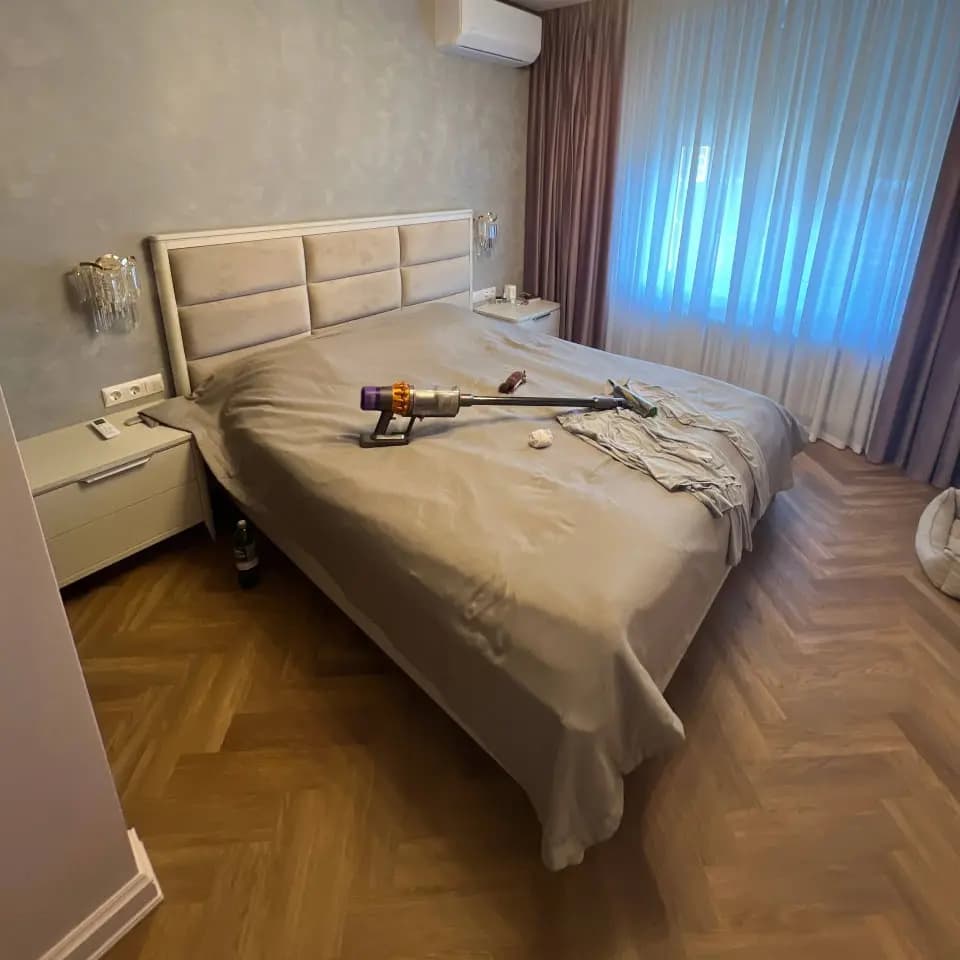
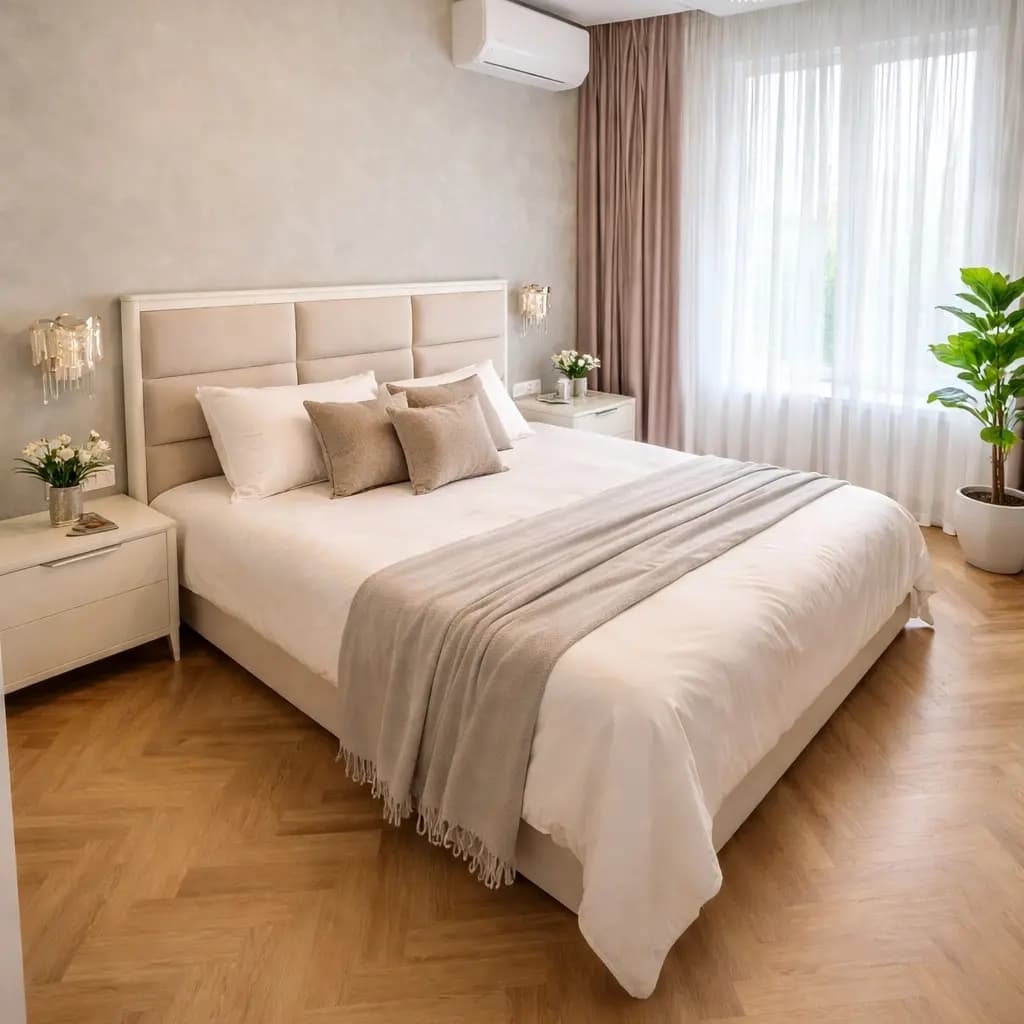
Deciding Between Austin and Raleigh
Match metals to regional light
Austin's Hill Country light flatters brushed brass and oil-rubbed bronze. Raleigh's softer Piedmont haze tolerates brushed nickel and polished chrome. Mixing metals across markets makes both listings look slightly off without buyers being able to name why.
Keep the formal dining room formal in Raleigh
Inside the Beltline buyers still expect a real dining room with a real table and chairs, even in 2026. Do not stage it as a home office or playroom. Restore the dining function in render, even if the seller has been using the room differently for years.
Stage the Austin sleeping porch as an office
Hyde Park and Clarksville bungalows include a small screened porch off the primary bedroom. Buyers want a clear use, so render it as a home office with a slim desk and a single chair rather than leaving it as an ambiguous flex room with no furniture.
Use Western Modern only in Austin
Tan leather, live-edge wood, and matte iron belong in Bouldin Creek, not Five Points. Importing the palette into Raleigh listings reads as inauthentic and costs you showings from buyers who came specifically for Southern transitional inventory.
Plan around summer light intensity
Austin shoots between June and September need warmer color presets to compensate for harsh Hill Country sun bouncing through windows. Raleigh's summer haze is softer and forgives a wider range of palettes without correction. AgentLens handles both with named seasonal profiles per metro.
Austin vs Raleigh FAQ
Is Austin or Raleigh more affordable for homebuyers?
Raleigh is more affordable with a median home price of $415,000 compared to Austin's $525,000 — a difference of $110,000 (21%). However, affordability also depends on local incomes, property taxes, and cost of living. Both markets offer opportunities for buyers at different price points.
Which market is hotter, Austin or Raleigh?
Raleigh is currently the faster-moving market with homes averaging 35 days on market, compared to 55 days in Austin. A shorter time on market typically indicates stronger buyer demand and more competition. Agents in Raleigh need to list quickly — virtual staging helps get listings photo-ready in minutes, not weeks.
Should I stage my home when selling in Austin or Raleigh?
Absolutely — staged homes sell faster and for more money in both markets. In Austin (median $525,000), even a 1-2% price increase from staging can mean thousands more at closing. In Raleigh (median $415,000), the same applies. Virtual staging with Agent Lens costs just $0.10 per image, making it a no-brainer for agents in either market.
How does virtual staging help in competitive markets like Austin and Raleigh?
Virtual staging transforms empty rooms into beautifully furnished spaces in under 60 seconds. In competitive markets, first impressions matter — 97% of buyers start their search online. Staged listing photos get more clicks, more showings, and higher offers. At $0.10 per image, virtual staging delivers professional results at a fraction of physical staging costs ($2,000-$5,000+).
Are Austin and Raleigh really comparable real estate markets?
They share growth pressure and tech employer concentration, but the housing stock and buyer expectations diverge. Austin buyers reward Western Modern staging in bungalows and ranches. Raleigh buyers reward Southern transitional staging in brick ranches, Capes, and Colonials. Treating them as interchangeable produces listings that feel imported in either market. The smarter move is to maintain two separate staging palettes and apply the right one based on the actual ZIP code rather than the regional growth narrative.
How should I stage a Hyde Park bungalow's living room?
Lead with a tan leather or oiled-canvas sofa floated off the wall, paired with a live-edge or oak coffee table and a vintage Oushak rug. Add one rattan or leather sling chair and a single floor lamp. Keep walls in warm white or soft clay rather than pure white, since Hill Country light reads pure white as blue on camera. The fireplace, where one exists, should be the visual anchor with a single mirror or piece of art above the mantel.
What is the most overlooked room in Raleigh staging?
The screened porch. Inside the Beltline homes in Five Points and Hayes Barton frequently include a rear screened porch that sellers leave unstaged because the furniture lives in the garage half the year. Render it with a slipcovered loveseat, two rattan chairs, a sisal rug, and a single ceiling fan visible. Buyers there evaluate screened porches as a primary living room from April through October, and an empty render costs you the emotional click.
Do Austin buyers respond to virtual staging more than Raleigh buyers?
Both markets respond well, but the use cases differ. Austin sees more vacant infill builds and flipped bungalows that list empty, where virtual staging fills the void. Raleigh sees more occupied resales where the seller's furniture is dated or oversized, and virtual staging via decluttered render outperforms physical restaging on cost and timeline. AgentLens handles both, with the right preset doing most of the work in either market.
How do I stage a brick ranch in Raleigh's Five Points?
Respect the period. Brick ranches there were built between 1955 and 1972 and read best with mid-century-friendly furniture: a low-profile sofa in cream or sage, walnut case goods, a brass arc lamp, and a wool rug in a muted geometric pattern. Skip ultra-modern white sectionals and avoid heavy farmhouse textures. The original hardwood floors should remain visible in render, and any brick fireplace surround should stay unpainted. Buyers in Five Points specifically search for unpainted brick and original floors.