

Austin vs Houston: Which city is better for real estate?
Austin and Houston share Texas geography and not much else from a listing-photography standpoint. Austin runs design-forward and architecturally protective: Clarksville bungalows, Travis Heights Craftsman, Hyde Park Victorians, Tarrytown mid-century ranches, Mueller new urbanism, and the Hill Country contemporary homes climbing into Westlake and Rollingwood. Buyers research the neighborhood before they tour the home, and they expect staging to respect original details. Houston operates at industrial scale across more terrain. River Oaks Georgians and Mediterraneans, Heights Victorians and Craftsman bungalows, Memorial mid-century ranches, Bellaire postwar homes, Montrose townhome stock, and the medical-center adjacent inventory in Rice Military and Upper Kirby each demand specific staging vocabularies. Houston buyers come from a wider professional cross-section than Austin: physicians, energy executives, NASA engineers, port logistics operators, and small-business owners. That demographic breadth means staging cannot lean on a single aesthetic the way Austin staging often can. Aistage gives agents working both markets the prompt control to switch between Austin's curated minimalism and Houston's era-specific demands without rebriefing photographers or stagers between listings.
Austin vs Houston
Real Estate Market Comparison
Thinking about buying or selling property? Compare the Austin, TX and Houston, TX real estate markets side by side — from median prices and days on market to top neighborhoods and staging strategies.
Migration Insight
I keep two staging mood boards open when I list in both metros, and I never let them cross-pollinate. Austin Clarksville and Travis Heights bungalows want lighter wood tones, linen upholstery, indoor olive trees, vintage rugs, and warm-white walls. The buyer in those neighborhoods reads dark traditional staging as a mismatch with the architecture. Houston Heights bungalows accept similar warmth but tolerate slightly heavier traditional accents because the buyer pool is older and more cross-cultural. River Oaks demands proper formality: ten-foot dining tables, silk rather than synthetic, oversized art that reads at scale. Memorial wants transitional staging that bridges mid-century bones and modern renovation. Mueller in Austin wants clean modern lines that match the master-planned aesthetic. The Austin Board of Realtors and the Houston Association of Realtors track distinct buyer behavior, and my own conversion data after listing appointments confirms it: matching staging to neighborhood produces faster offers than imposing a personal brand template across every listing regardless of architecture.
- South Congress
- Zilker
- East Austin
- Westlake
- Cedar Park
- The Heights
- River Oaks
- Montrose
- West University
- Memorial
Austin's tech-driven economy brings design-savvy buyers who expect modern, well-staged listings. The market has cooled from its 2022 peak, making professional presentation more important than ever. Virtual staging helps Austin agents compete for tech workers with high aesthetic standards.
Houston's sprawling market and diverse price points create intense competition. With thousands of active listings at any time, staged photos are essential to stand out online. Virtual staging lets Houston agents quickly prepare listings across the metro's many neighborhoods and price ranges.
Market Dynamics: Austin vs Houston
### Listing Tempo and Buyer Research Behavior
Austin listings, especially in core neighborhoods like Clarksville, Travis Heights, Hyde Park, and Bouldin Creek, attract buyers who research at depth before they tour. They read neighborhood blogs, check school boundaries, study commute patterns, and form opinions about staging quality before they request a showing. Houston buyers research too, but the volume of inventory and the geographic spread mean they tour more homes per offer and rely more heavily on photography to filter the initial list. Both behaviors reward strong staging, but the staging brief differs. Austin agents can spend more time on creative direction per listing because the active counts are smaller and the buyer feedback loop is tighter. Houston agents need staging that delivers consistently across higher listing volumes, which is where Aistage's per-listing prompt control matters: a Houston team running thirty active listings can render each one in neighborhood-appropriate style without bottlenecking on a single stager's calendar.
### Architectural and Climate Considerations
Austin Hill Country light photographs warm and directional in spring and fall, and harsh in summer. Indoor staging needs to anticipate the warm cast: white oak rather than walnut, linen rather than leather, vintage rugs rather than new traditional. Mueller new construction wants clean modern lines that match the master plan. Houston humidity and Houston light require different prep. Heights bungalows photograph best in early morning before haze sets in. River Oaks photographs well in late afternoon. Memorial ranch renovations want transitional staging that respects mid-century bones. RESA research on regional staging effectiveness consistently shows neighborhood-appropriate staging outperforms generic staging, with the gap widening at higher price points. NAR buyer surveys confirm Texas buyers research neighborhood before home, and photography is the primary filter. The U.S. Census American Community Survey shows Austin household composition skews younger and smaller than Houston, which affects which lifestyle moments to stage: home office and reading nook in Austin, formal dining and family den in Houston.
Key Takeaways
Price difference: $200,000 (38%)
Houston ($325,000) is $200,000 more affordable than Austin ($525,000).
Speed difference: 14 days
Homes in Houston sell in 41 days on average vs 55 days in Austin.
More affordable: Houston, TX
With a median price of $325,000, Houston offers more entry-level options for first-time buyers and investors.
Faster market: Houston, TX
At 41 days on market, Houston moves faster. Sellers in this market benefit most from being listing-ready on day one — virtual staging delivers in under 60 seconds.
Stage Your Listing in Either Market
Transform empty rooms into stunning staged photos in 60 seconds. Starting at $0.10 per image.
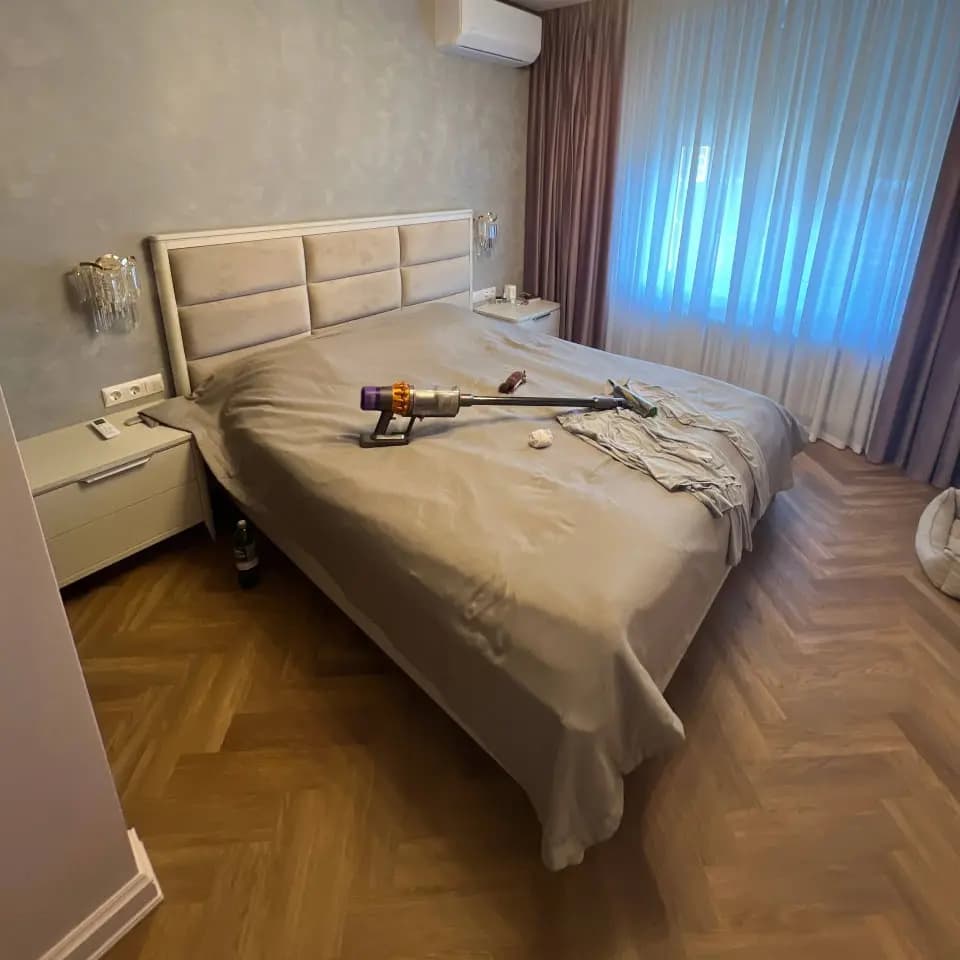
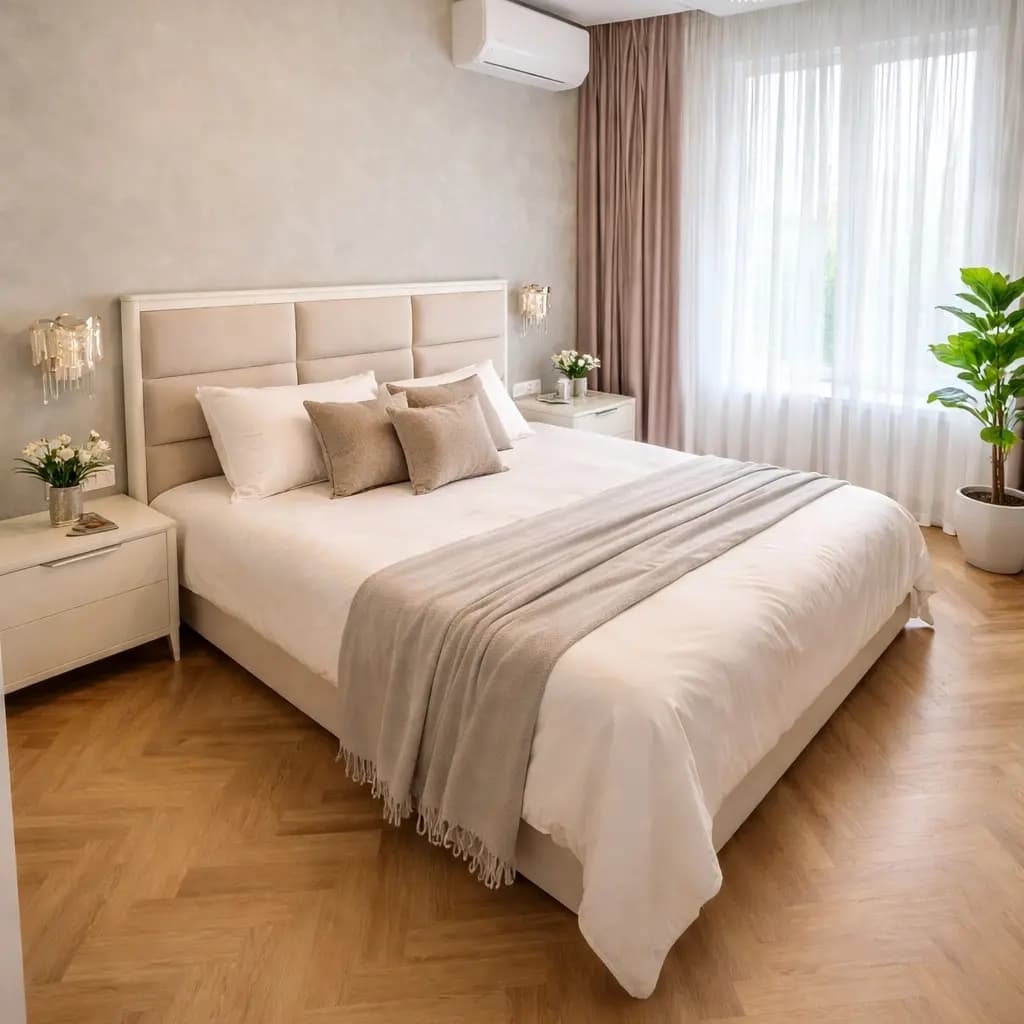
Deciding Between Austin and Houston
Stage Austin Bungalows Around Original Details
Clarksville, Travis Heights, and Hyde Park bungalows close on the strength of original longleaf pine, transom windows, and built-ins. Stage with linen upholstery, midcentury teak, woven rugs, and indoor plants that let original details breathe. Heavy traditional staging fights the architecture and signals to buyers that the listing agent does not understand the neighborhood.
Match River Oaks Staging to Formal Architecture
River Oaks Georgians and Mediterraneans want proper formal staging: ten-foot dining tables, oversized art, silk upholstery, oriental rugs, and library-grade book styling. The exterior signals formality and the interior must deliver. Modern minimalism in River Oaks produces photos that underprice the home and confuse the buyer pool the listing is meant to attract.
Use Clean Modern Lines for Mueller and East Riverside
Mueller and East Riverside new construction wants staging that matches the master-planned modern aesthetic: clean lines, neutral palette with one saturated accent, matte-black hardware, oversized abstract art, low-profile furniture. Traditional staging in Mueller dates the listing immediately and produces photos that buyers swipe past on Zillow and Realtor.com.
Stage Houston Outdoor Living as Primary Square Footage
River Oaks, Memorial, Heights, and Bellaire homes use covered patios and pool decks as living space from March through November. Stage them with full dining, lounge seating, ceiling fans, and gas fire features. Buyers underwrite outdoor square footage as real living area when the photography shows it being used rather than empty concrete.
Calibrate Wood Tones to Local Light
Austin Hill Country light photographs warm; Houston Heights and Memorial light photographs warmer with humidity haze. Specify white oak or light walnut for Austin staging; you can use mid-walnut for Houston interiors without overheating the frame. The same Aistage prompt with adjusted wood tone produces neighborhood-appropriate frames in both metros without rebriefing the photographer.
Austin vs Houston FAQ
Is Austin or Houston more affordable for homebuyers?
Houston is more affordable with a median home price of $325,000 compared to Austin's $525,000 — a difference of $200,000 (38%). However, affordability also depends on local incomes, property taxes, and cost of living. Both markets offer opportunities for buyers at different price points.
Which market is hotter, Austin or Houston?
Houston is currently the faster-moving market with homes averaging 41 days on market, compared to 55 days in Austin. A shorter time on market typically indicates stronger buyer demand and more competition. Agents in Houston need to list quickly — virtual staging helps get listings photo-ready in minutes, not weeks.
Should I stage my home when selling in Austin or Houston?
Absolutely — staged homes sell faster and for more money in both markets. In Austin (median $525,000), even a 1-2% price increase from staging can mean thousands more at closing. In Houston (median $325,000), the same applies. Virtual staging with Agent Lens costs just $0.10 per image, making it a no-brainer for agents in either market.
How does virtual staging help in competitive markets like Austin and Houston?
Virtual staging transforms empty rooms into beautifully furnished spaces in under 60 seconds. In competitive markets, first impressions matter — 97% of buyers start their search online. Staged listing photos get more clicks, more showings, and higher offers. At $0.10 per image, virtual staging delivers professional results at a fraction of physical staging costs ($2,000-$5,000+).
Should I use the same staging style in Austin and Houston?
No. Austin core neighborhoods reward design-forward, architecturally honest staging that respects original details and lighter wood tones. Houston rewards era-specific staging that ranges from formal traditional in River Oaks to transitional in Memorial to architecturally honest in Heights. Using one template across both metros produces listings that underperform their neighborhood comps because buyers immediately sense the staging does not match the home or the block. Aistage's prompt control lets you switch styles per listing without rebriefing photographers or stagers.
Which market has more architectural diversity per neighborhood?
Houston covers more architectural eras per ZIP code than Austin. The Heights contains Queen Anne Victorians, Craftsman bungalows, shotgun cottages, and 1920s four-squares within a few blocks. Memorial layers mid-century ranches with 1980s traditional and current transitional. Austin neighborhoods cluster more tightly around specific eras: Clarksville and Travis Heights run bungalow-heavy, Tarrytown leans mid-century, Mueller is uniformly new urbanism. The diversity affects how agents brief staging because Houston listings demand more era-specific prompts per active listing.
How does outdoor staging differ between the two metros?
Houston rewards outdoor staging more than Austin because covered patios, screened porches, and pool decks function as primary living space from March through November. Stage Houston outdoor space with full dining and lounge configurations, ceiling fans, and gas fire features. Austin outdoor staging matters in Westlake and Hill Country contemporary listings but less in core bungalow neighborhoods where lots are smaller and front-porch culture dominates. Budget your photography frames accordingly per listing rather than applying one template across both metros.
Does virtual staging require disclosure in Texas?
Yes. Texas Real Estate Commission rules and standard MLS practice require photos altered to add furniture, finishes, or features be disclosed as virtually staged. The accepted standard is a visible watermark on the image plus a line in the listing remarks. Buyer agents respect proper disclosure when the underlying room condition matches the photo, and they push back hard when staging conceals defects. Aistage outputs include watermark options that satisfy disclosure requirements while keeping the staged frame clean enough to compete on HAR and ABoR MLS feeds.
What staging works best for Mueller and other Austin new construction?
Mueller, East Riverside, and other Austin new-urbanism developments want staging that matches the master-planned modern aesthetic: clean lines, neutral palette with one or two saturated accents, matte-black hardware, low-profile furniture, oversized abstract art, and indoor plants that read as architectural rather than decorative. Traditional staging in Mueller dates the listing and signals to buyers that the agent does not understand the development. Aistage modern and transitional presets work well here, and the same source photo can be rendered in both for first-week A/B testing.