

Coastal Kids' Bedroom
Virtual Staging
Transform your kids' bedroom with coastal virtual staging. Professional AI-powered results in 60 seconds.
Quick Answer
Coastal staging for a kids bedroom is more difficult than it looks because the line between authentic coastal and beach-themed kitsch is so thin. A single misplaced anchor pillow or a sailboat decal above the bed slides the photograph from convincing to costume. Real coastal kids rooms photograph as homes near the water, not as gift shops in beach towns. The vocabulary is light wood, blue and white in muted tones, natural fiber rugs, and a slight bleached or sun-washed quality across all surfaces. The room should suggest that sand might come in on a child's bare feet without the styling shouting OCEAN at the buyer. For listing agents working coastal markets, this register is essential to get right because buyers in those markets specifically come for the lifestyle the home should evoke. AgentLens stages coastal kids rooms by reading the existing space and pulling forward muted blue and white palettes, light wood platform beds, and natural fiber accents that respect the regional vocabulary. The output should photograph as quietly coastal rather than themed, which is what differentiates a thoughtful staging from a beach rental's spare bedroom in the listing gallery.
Key Takeaways
- 1Coastal style features: Beach vibes, light colors, nautical accents
- 2Virtual staging costs just $0.10 per photo
- 3Results delivered in approximately 60 seconds
- 4Staged homes sell 30-50% faster (NAR)
Staging Insight
Coastal staging belongs in actual coastal markets and reads as forced almost everywhere else. The strongest fits include the Outer Banks, Charleston's barrier-island communities like Sullivan's and Isle of Palms, the Florida Gulf coast from Anna Maria through Sanibel, Martha's Vineyard and Nantucket, the Hamptons and the North Fork of Long Island, and the Pacific coastal communities from Carmel through Manhattan Beach. Each of these markets has its own coastal dialect. The Hamptons lean toward shingle-style architecture with weathered cedar tones and navy accents, while the Florida Gulf reads brighter with turquoise and white. In the Pacific Northwest coastal communities like Cannon Beach and Astoria, the palette goes cooler and grayer, with mossy greens and slate blues replacing the warm Atlantic blues. Charleston low-country coastal lands somewhere between, with soft blues, faded greens, and natural fiber rugs that respect the broader regional vocabulary. Buyers in these markets evaluate coastal staging strictly because they live the actual lifestyle and can tell the difference between authentic and themed. A kids room staged with care signals that the sellers understand the place rather than treating it as a backdrop, which matters more than agents working from a generic coastal preset usually realize.
Quick Answer
Coastal kids' bedroom virtual staging uses AI to add beach vibes, light colors, nautical accents to empty room photos. Costs as low as $0.10 per image vs $2,000-5,000 for physical staging. Results delivered in under 60 seconds.
Key Takeaways
- 1Coastal style features: Beach vibes, light colors, nautical accents
- 2Perfect for kids' bedroom spaces that need professional appeal
- 3AI processing delivers results in under 60 seconds
- 420,000x more affordable than traditional physical staging
How much does coastal kids' bedroom virtual staging cost?
Coastal kids' bedroom virtual staging costs as low as $0.10 per image with Agent Lens. This is up to 20,000x cheaper than physical staging which costs $2,000-5,000 for an entire home. Our AI delivers professional beach vibes, light colors, nautical accents staging in under 60 seconds.
About Coastal Style
Coastal staging transports buyers to a serene seaside retreat, regardless of the property's actual location. This style features airy, light-filled spaces with a palette of blues, whites, and sandy neutrals. Natural textures like rattan, jute, and weathered wood evoke the beach environment, while subtle nautical touches add character without overwhelming. Popular in vacation markets and waterfront properties, coastal staging appeals to buyers seeking relaxation and a perpetual vacation feel.. This style is perfect for kids' bedroom spaces looking to attract buyers with a contemporary, refined aesthetic. Virtual staging allows you to showcase this design without the cost or logistics of physical furniture.
Coastal Design for Your Kids' Bedroom
### Architecture, light, and the bones of coastal
Coastal photography depends on light. The staged room should read airy, with white or off-white walls, light wood or painted floors, and minimum visual weight on the windows. Choose a bed in light wood like white oak or pine, or a painted finish in soft white or weathered driftwood gray. A spindle or simple panel bed photographs correctly; skip ornate four-posters, which lean traditional. Pair with a dresser in similar wood or painted finish, with simple wood knobs or rope-detail pulls. If the room has beadboard, planked walls, or any architectural detail that signals coastal cottage, lean into it; if not, AgentLens can suggest simple board-and-batten or shiplap painted in soft white. Floors photograph best as light wood or in painted plank versions for older homes. A natural fiber rug in jute, sisal, or seagrass anchors the bed and adds the visual texture that coastal depends on. Layer a smaller flat-weave wool rug on top in cream or pale blue if the floor needs more softness for a small child's room.
### Palette, textiles, and the second look details
Coastal palettes work in muted form. Choose pale chambray blue with cream and oat, soft seafoam with white and natural rope, or weathered driftwood gray with cream and pale shell pink. Avoid saturated turquoise and bright white, which photograph as themed beach rental. Bedding should layer in three close tones: white sheets, a soft chambray or pale blue duvet or coverlet, and one accent pillow in a small stripe or solid coral. Skip rope-trimmed everything and steer wide of seashell-printed shams. Window treatments work best as simple white linen panels or a single woven Roman shade; the goal is to let light into the photograph rather than frame the windows heavily. For lighting, a rattan or paper pendant overhead, a simple ceramic lamp in white or pale blue on the dresser, and warm bulbs throughout. Add a few personal touches: a small woven basket of stuffed animals, a framed watercolor of dunes or marsh grass in a thin white frame, a stack of vintage children's books on the nightstand. Skip the literal beach objects unless the home actually sits on a beach. A single piece of coral on a shelf or one large shell on a stack of books reads correctly; a basket overflowing with shells reads costume. The room should photograph as if a child who lives near water spent yesterday building sandcastles rather than as a beach gift shop staged for sale.
Coastal Kids' Bedroom Staging Benefits
Why Virtual Staging Works for Kids' Bedrooms
Coastal Kids' Bedroom Staging Tips
Use muted blues, not saturated turquoise
Pale chambray, soft seafoam, weathered slate, and washed denim all photograph as coastal without sliding into themed beach rental territory. Saturated tropical blues and bright white together read as cliche. The blues in a coastal kids room should look as though they have been sun-faded over time, which is the quality that separates authentic coastal from costume.
Choose light wood or painted finishes
A bed and dresser in white oak, pine, or a painted weathered-driftwood gray photograph as coastal correctly. Skip dark wood entirely and avoid metal beds with rope-wrapped accents. The wood tones in a coastal kids room should suggest sun, salt, and time. Painted finishes work especially well in coastal cottages with painted plank floors.
Layer natural fiber rugs
A jute or sisal base rug under the bed adds texture that coastal depends on, while a smaller flat-weave wool rug in cream or pale blue softens it for a child's bare feet. The two-rug layer photographs as more inviting than a single synthetic rug and signals the kind of considered choice that defines authentic coastal interiors. Skip high-pile and synthetic blends, which photograph as wrong for the style.
Skip themed objects
No anchor pillows, no rope-trimmed everything, no boat or whale decals, no oversized sailboat art. These signals push the photograph into beach rental rather than home. One single shell on a stack of books or a small piece of coral on a shelf is enough literal coastal reference for the entire room. The rest should communicate coastal through palette, light, and texture.
Lean into white and woven for window treatments
Simple white linen panels or a single woven Roman shade in natural fiber lets light flood the photograph and reads as coastal correctly. Skip heavy drapes, valances, and any printed beach pattern on fabric. The goal is to make the windows feel like generous portals to outside light, which is the single most important compositional move in coastal photography.
Stage Your Kids' Bedroom in Coastal Style Today
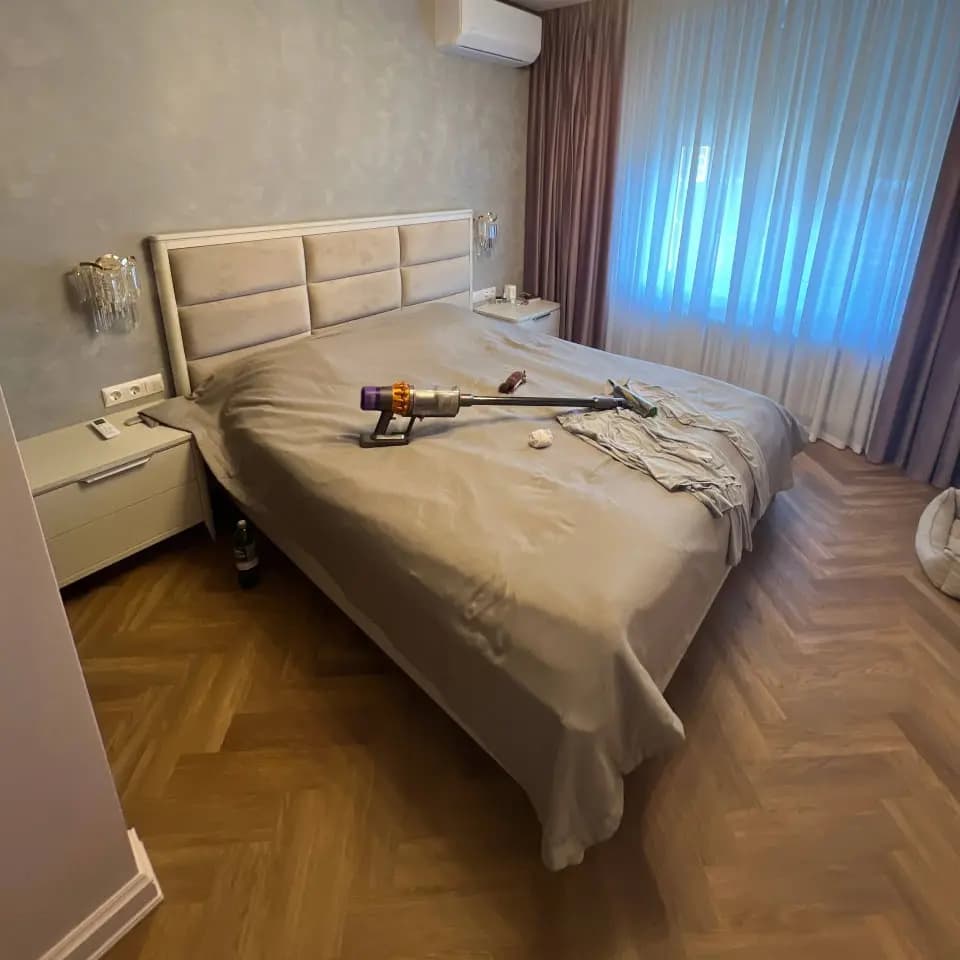
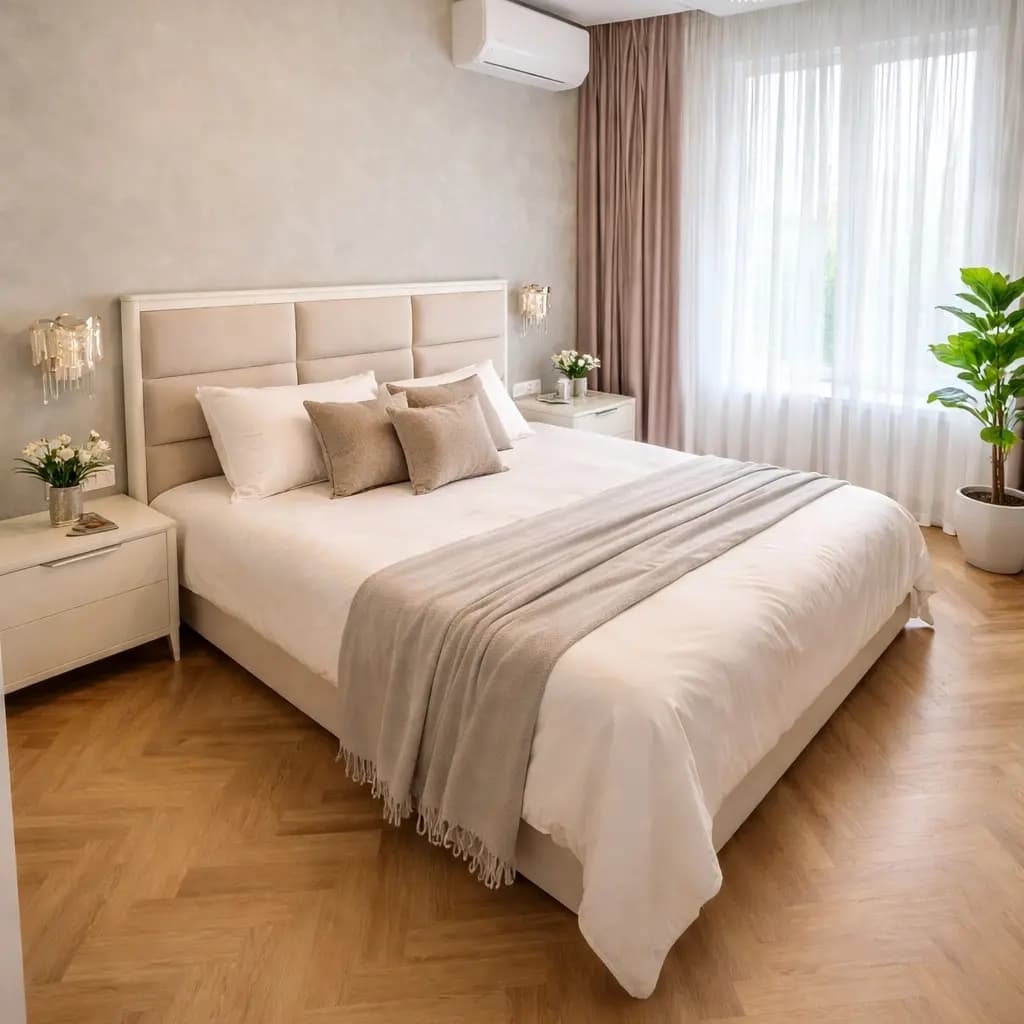
Get professional coastal virtual staging in 60 seconds
Coastal Kids' Bedroom Virtual Staging FAQ
Should I use coastal staging for a kids room not near the coast?
Generally no. Coastal staging in an inland or mountain market reads as forced and signals that the sellers chose a style that does not match the place. Buyers in non-coastal markets sense the dissonance even when they cannot articulate it, and the photograph loses authority. The exception is a vacation property genuinely modeled on a coastal cottage style, but those are rare. For most non-coastal kids rooms, transitional, modern, or farmhouse staging will photograph as more believable and therefore more persuasive. Match the staging to the place, not to the visual aesthetic the agent personally prefers.
How do I make coastal staging work for both boys and girls?
Coastal is naturally gender-neutral when the palette stays muted. Choose pale chambray blue, soft seafoam, weathered driftwood gray, or warm sand as the core palette and avoid saturated pinks and corals as primary tones. The buyer touring the listing should imagine any child in the room rather than reading it as specifically masculine or feminine. A single coral pillow or a small pink-shell accent can warm the palette without coding feminine, and a navy stripe pillow can add depth without coding masculine. The trick is keeping the overall palette in the muted middle ground.
What art works in a coastal kids bedroom photograph?
Watercolor seascapes, simple botanical prints of beach grasses or marsh plants, framed pressed seaweed or pressed flowers, and quiet abstract pieces in coastal palettes all photograph correctly. Frames should be thin white wood, weathered gray, or painted in a muted color that complements the bedding. Avoid the literal sailboat-anchor-lighthouse trio, which signals themed rental immediately. One piece of art above the bed is enough; a small group of three watercolors in matching frames above the dresser is the maximum, and they should share a palette rather than telling separate stories.
Are coastal kids rooms always blue and white?
No. Different coastal regions support different palettes. Pacific Northwest coastal can lean cooler and grayer with mossy greens and slate blues, while warm Gulf coastal markets work with sandy taupes, soft corals, and washed white. Charleston low-country sits between with soft blue-green palettes and natural fiber accents. Hamptons and shingle-style markets often go grayer with navy or slate accents. The blue-and-white default works in most markets, but listing agents should adjust the palette to match the regional dialect rather than apply a generic coastal preset across every market.
Can AgentLens distinguish between regional coastal styles?
Yes, with guidance. The coastal preset produces a baseline that leans Atlantic, but agents can refine through targeted comments to specify a regional dialect, asking for a Pacific Northwest cooler palette, a Gulf coast warmer palette, or a Hamptons shingle-style read. The system reads adjacent listing photos for cues like architecture, flooring, and existing wall colors, then matches the staged kids room to the broader vocabulary the home is already speaking. Listing agents working in well-defined coastal markets should always adjust the preset rather than relying on a generic output.
Learn More
Helpful guides related to Coastal kids' bedroom virtual staging.