

Quick Answer
Pittsburgh listings sit in a market with topography that shapes nearly every staging decision. The hills, valleys, and river corridors create properties with views, awkward room orientations, and a sense of place that doesn't exist in flatter metros. Shadyside and Squirrel Hill carry stately prewar inventory, often with original woodwork and substantial proportions. Lawrenceville and the Strip District deliver loft conversions, infill new construction, and rehabbed industrial inventory. Mt. Lebanon and the South Hills offer family-scale traditional homes with mature lots. The buyer pool here splits between long-time Pittsburgh families staying inside the city, healthcare and tech relocators tied to UPMC, Carnegie Mellon, and the Strip District startup corridor, and a meaningful share of cost-conscious remote workers who chose Pittsburgh specifically for its housing affordability versus coastal alternatives. Each audience reads photos differently. The local family buyer wants traditional family-scale staging. The startup-corridor relocator wants warmth against industrial finishes in a Lawrenceville rehab. The relocator from Brooklyn or San Francisco wants confirmation that the home delivers the specific Pittsburgh value proposition. Vacant rooms cost showings across all three audiences, particularly given the market's longer time on market versus competing metros. Virtual staging works because it lets the listing agent match furniture to neighborhood and architectural era while addressing the local light conditions that the topography creates.
Key Takeaways
- 1Pittsburgh median home price: $225,000
- 2Average days on market: 45
- 3Virtual staging costs $0.10/photo vs $2,000-$5,000 for physical staging
- 4Staged homes sell 30-50% faster according to NAR
Home Staging in Pittsburgh
Virtual & Physical
Pittsburgh's affordable housing and tech renaissance make it a rising star market. With strong universities and growing tech employment, buyers are increasingly design-savvy. Virtual staging helps Pittsburgh agents appeal to this evolving demographic at budget-friendly costs.
Pittsburgh Market Snapshot
The Pittsburgh real estate market has a median home price of $225,000 with homes averaging 45 days on market. In this competitive environment, staged homes sell faster and for more money. Virtual staging from $0.10 per image gives Pittsburgh agents the edge.
Pittsburgh Real Estate Market Stats
Why Stage Your Home in Pittsburgh?
With a median home price of $225,000, Pittsburgh homeowners have significant equity at stake. Staging your home can add 1-5% to the sale price — that's potentially thousands of dollars more at closing. In a market averaging 45 days on market, staging helps your listing sell faster and stand out from the competition.
Virtual Staging vs Physical Staging in Pittsburgh
Physical Staging in Pittsburgh
- Cost: $2,000-$5,000+
- Timeline: 1-2 weeks
- Real furniture for showings and open houses
- Monthly rental fees ($500-$1,500/month)
Virtual Staging
Recommended- Cost: $0.10 per image
- Timeline: Under 60 seconds
- Unlimited styles — try modern, coastal, luxury, and more
- No monthly fees — pay per image, cancel anytime
Top Neighborhoods in Pittsburgh
Home staging is especially impactful in Pittsburgh's most competitive neighborhoods.
How Virtual Staging Works
1. Upload Photo
Upload an empty room photo from your Pittsburgh listing directly in your browser.
2. AI Stages It
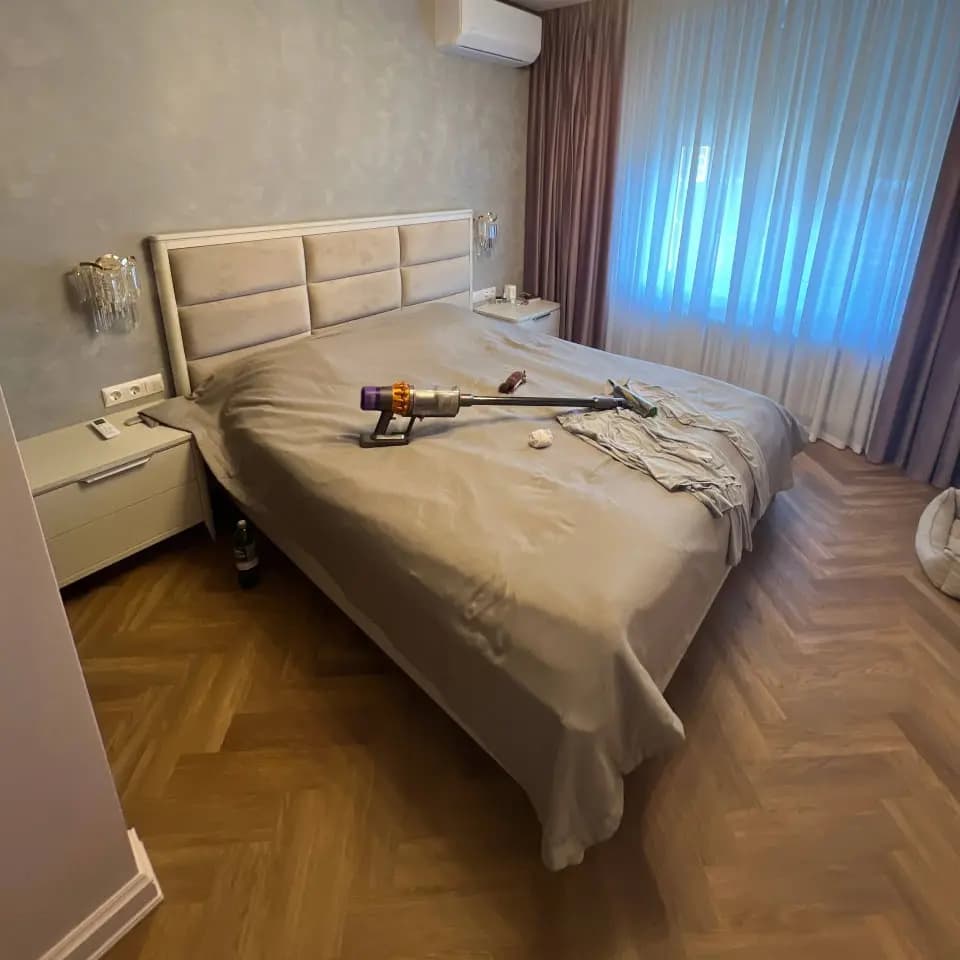
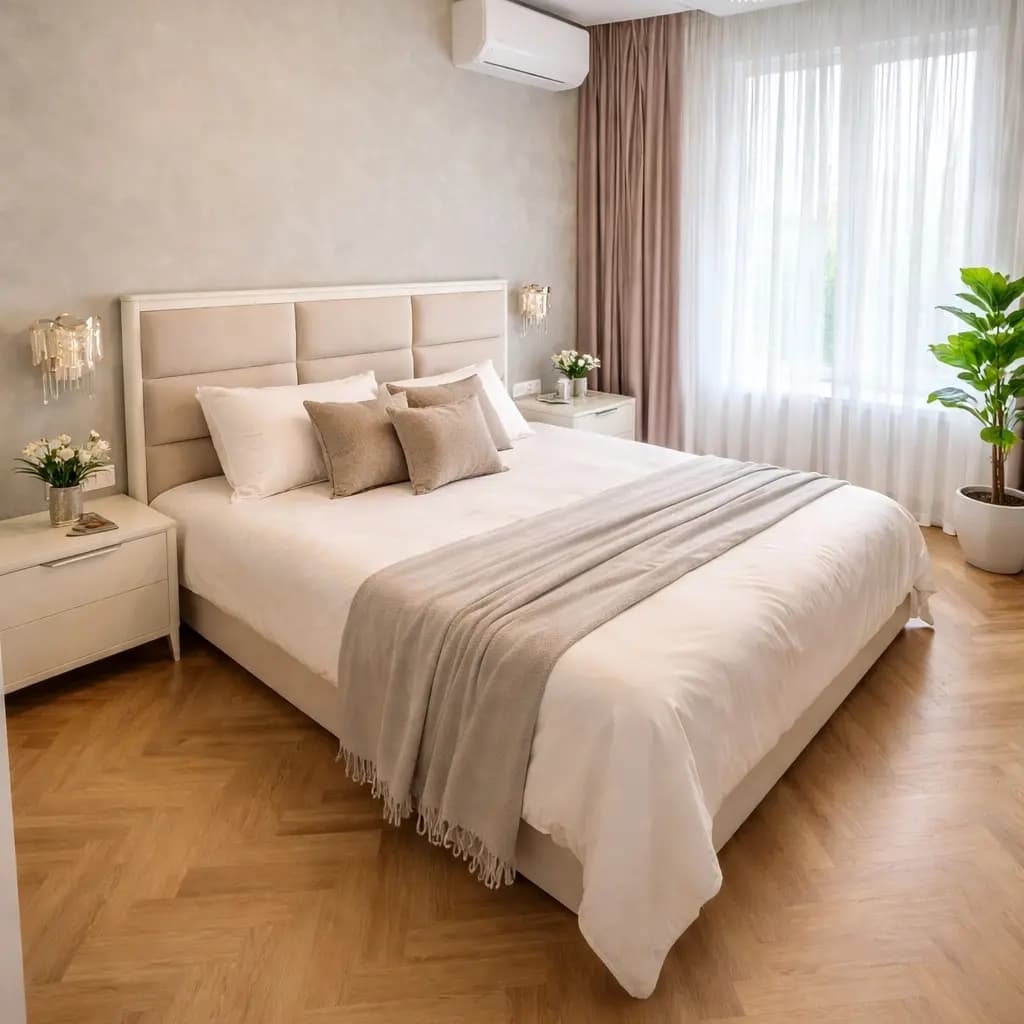
Choose from 11 design styles. Our AI adds realistic furniture and decor in under 60 seconds.
3. Download & List
Download high-resolution staged photos ready for MLS, Zillow, Realtor.com, and social media.
Virtual Staging in Pittsburgh
### Topography and light handling as the staging baseline
Pittsburgh's hillside-and-valley topography creates light conditions unlike most other US markets. A Squirrel Hill prewar with north-facing rooms under a substantial hillside can read dim and small in vacant photos, while the same property's south-facing rooms can wash out at midday. Staging is the lever that addresses both. For dim rooms, render lit table and floor lamps at warm color temperatures, choose lighter wood tones rather than dark walnut, and use a substantial wool rug that anchors the room without adding visual weight. For bright south-facing rooms, lean into pale upholstery, white oak coffee tables, and rugs with restrained pattern that hold up against blown-out window light. The strategy is the same across Shadyside, Squirrel Hill, Mt. Lebanon, and most of the inside-the-city inventory: stage to address the specific light condition each room presents rather than running one furniture package that works in some shots and fails in others. AI virtual staging earns its place because the listing agent can iterate by room, choose the right lighting and palette per shot, and revise after seeing the early MLS click data.
### Era-appropriate furniture by neighborhood
The second discipline is matching furniture to architectural era. Shadyside and Squirrel Hill prewar inventory wants tailored upholstered seating, leather club chairs, hand-knotted rugs with subdued pattern, and art that respects the original picture rails and trim. The local buyer pool reads architectural authenticity well, and modern sectionals in those rooms photograph as a flip the buyer doesn't trust. Lawrenceville and Strip District loft conversions and infill builds want warmth against industrial finishes: a substantial wool rug, leather seating, layered throws, lit lamps at warm color temperatures, and a single piece of considered art rather than gallery walls. Mt. Lebanon and South Hills traditional family homes want hosting-scale staging with substantial dining, a primary suite that reads as a retreat, and outdoor staging that uses the lot's mature trees. Mt. Washington properties with downtown views deserve twilight renders showing the city skyline at dusk with interior lamps lit, which consistently outperforms midday equivalents on saved-listing rate. New construction in the East End and along the rivers benefits from staging that differentiates one floor plan from neighboring builder inventory. Working listing agents in Pittsburgh render two staging options on any property priced above the submarket median and let the early Zillow saved-listing data inform which version stays in the active set on West Penn MLS.
Home Staging Tips for Pittsburgh
Light the lamps in shaded rooms
Squirrel Hill and Shadyside rooms under hillsides can read dim throughout the day. Render lit table and floor lamps at warm color temperatures around twenty-seven hundred kelvin. The room reads warm and inviting, and saved-listing rates on Zillow track the warmth in the photo against the otherwise low-light conditions.
Twilight-render Mt. Washington and view properties
Mt. Washington, the upper Hill District, and any property with a downtown skyline view earn measurable saved-listing lift from a dusk render. Interior lamps lit, soft sky behind the city silhouette. Place that shot in the first three photos rather than burying it later in the set, where most buyers never reach it.
Honor original woodwork in Shadyside and Squirrel Hill
Prewar single-family and rowhouse inventory pays for itself through original built-ins, picture rails, and trim. Virtual staging should never crop those elements out of frame. Lower the bookshelves, tuck the art under the picture rails, and let the architecture stay visible in every interior shot.
Warm Lawrenceville and Strip District lofts
Industrial conversions and infill builds in these neighborhoods photograph cold against polished concrete and exposed brick. A substantial wool rug, leather sofa, layered throws, and warm lamp light shift the room from showroom to home. Use the warmth as a deliberate counterweight to the architectural minimalism.
Stage Mt. Lebanon for family hosting
South Hills traditional family homes attract move-up family buyers who prioritize hosting capacity. Render a six-seat or eight-seat dining table, a primary suite with a sitting area when the room supports it, and outdoor staging under mature trees. The listing photographs as a family home rather than a starter property.
More Pittsburgh Resources
Stage Your Pittsburgh Listing Today
Transform empty rooms into stunning staged photos. Starting from $0.10 per image.
Pittsburgh Home Staging FAQ
How much does home staging cost in Pittsburgh?
Physical home staging in Pittsburgh costs $2,000-$5,000 for a standard home, with luxury properties in areas like Shadyside or Lawrenceville costing $5,000-$15,000. Virtual staging with Agent Lens is just $0.10 per image — ideal for Pittsburgh's competitive market where professional photos are essential.
Is home staging worth it in Pittsburgh's market?
Absolutely. With a median home price of $225,000 and homes spending an average of 45 days on market, staged homes in Pittsburgh sell 30-50% faster. At $225,000, even a 1% price increase from staging means thousands more at closing.
How does virtual staging work for Pittsburgh listings?
Virtual staging uses AI to add realistic furniture and decor to photos of empty rooms. Upload your Pittsburgh listing photos, choose a style (modern, coastal, farmhouse, etc.), and receive professionally staged images in under 60 seconds. Perfect for MLS listings and online marketing.
What staging styles are popular in Pittsburgh?
Pittsburgh buyers respond well to modern, contemporary, and transitional staging styles. In neighborhoods like Shadyside and Lawrenceville, luxury and coastal styles also perform strongly. Virtual staging lets you try multiple styles to see what resonates with Pittsburgh buyers.
Should I stage my Pittsburgh home before listing?
Yes. In Pittsburgh's market (median price $225,000, avg 45 days on market), staged homes consistently outperform non-staged listings. With 97% of buyers starting online, professional listing photos are your first showing. Virtual staging delivers professional results for $0.10/image.