

Quick Answer
Selling a home in Phoenix means selling a way of living that the photo set has to prove before a buyer will book a showing. The Valley pulls three distinct buyer pools at the same time, and a listing that ignores any of them leaves money on the table. Relocation families from coastal California are the largest slice and they shop for lot size, pool quality, and a kitchen that photographs as move-in ready. Retirees from the Midwest and Northeast hunt single-story floor plans in Sun City West, north Scottsdale, and parts of Paradise Valley, and they read covered patios and easy yard maintenance before anything else. Local move-up buyers from Tempe, Chandler, and Gilbert are usually the most demanding on floor plan logic and storage. Selling fast in this market depends on a strategic photo order that leads with outdoor living rather than the front elevation, a furniture vocabulary that matches the era of the architecture, and pricing tuned to the season because Phoenix listings carry winter and summer differently. AgentLens virtual staging compresses what used to be a two-week stylist process into a same-day render set, which matters when your competition can re-list with a fresh photo package every Friday and your seller has already moved out of state. This guide walks through what actually moves a Phoenix home from listing to closing.
Key Takeaways
- 1Median price: $435,000
- 2Days on market: 44
- 3Best time to sell: January-March
- 4Average commission: 5-6%
Local Market Insight
Phoenix neighborhoods run on hyperlocal logic that surprises agents new to the market. Arcadia Lite buyers will pay a premium for a 1950s ranch with original block construction and a citrus tree, but the same buyer will pass on a renovated rancher one zip code over because the school boundary changed. Paradise Valley shoppers care more about lot privacy and view corridors of Camelback or Mummy Mountain than they do about square footage. Sun City West retirees want a single-story plan with a low-step entry, a two-car garage, and an HOA that handles front-yard landscaping. The newer master-planned communities in Eastmark, Verrado, and Estrella reward photo sets that show the amenity package alongside the home itself because buyers there are buying the lifestyle as much as the structure. Days on market also varies by season more than most national markets. Listings that hit the MLS in October through April move faster than the same property listed in July when surface temperatures in the driveway exceed 160 degrees and showings drop. A seasoned listing agent in this market schedules photo shoots for the first hour after sunrise, prices against the prior 30 days of closings rather than the 90-day comp set, and times the listing launch to a Thursday morning to capture the relocation tour traffic that lands Friday night.
How to Sell Your Home in Phoenix, AZ
Your complete 2026 guide to selling a house in Phoenix, Arizona. From pricing strategy to closing day — everything you need to sell fast and for top dollar.
8 Steps to Sell Your Phoenix Home
Step 1: Price It Right
Work with a local agent to run a comparative market analysis (CMA). Overpricing leads to stale listings; underpricing leaves money on the table. The right price attracts multiple offers and creates urgency.
Step 2: Hire a Local Agent
Choose a listing agent with proven sales in your neighborhood. A great agent handles pricing strategy, marketing, negotiations, and paperwork so you can focus on your move.
Step 3: Prepare & Stage Your Home
Declutter every room, deep-clean surfaces, fix minor repairs, and stage key spaces. Staged homes sell 30-50% faster. Virtual staging at $0.10/image is a cost-effective alternative to physical staging.
Step 4: Professional Photography
Invest in professional photos and a 3D virtual tour. Listings with high-quality photography receive 118% more views online. First impressions happen on-screen before any showing.
Step 5: List on MLS & Market
Your agent lists on the MLS which syndicates to Zillow, Realtor.com, and Redfin. Supplement with social media ads, email blasts, and targeted digital marketing for maximum exposure.
Step 6: Host Open Houses
Schedule open houses for the first two weekends after listing. A well-staged home with fresh flowers and good lighting creates an emotional connection that drives offers.
Step 7: Negotiate Offers
Review each offer on price, contingencies, financing type, and closing timeline. Your agent will help you counter-offer strategically. In competitive markets, multiple offers let you choose the strongest buyer.
Step 8: Close the Deal
Accept an offer, navigate the inspection and appraisal, clear any contingencies, and sign closing documents. Your agent and title company coordinate everything through a smooth closing day.
Stage Your Phoenix Listing
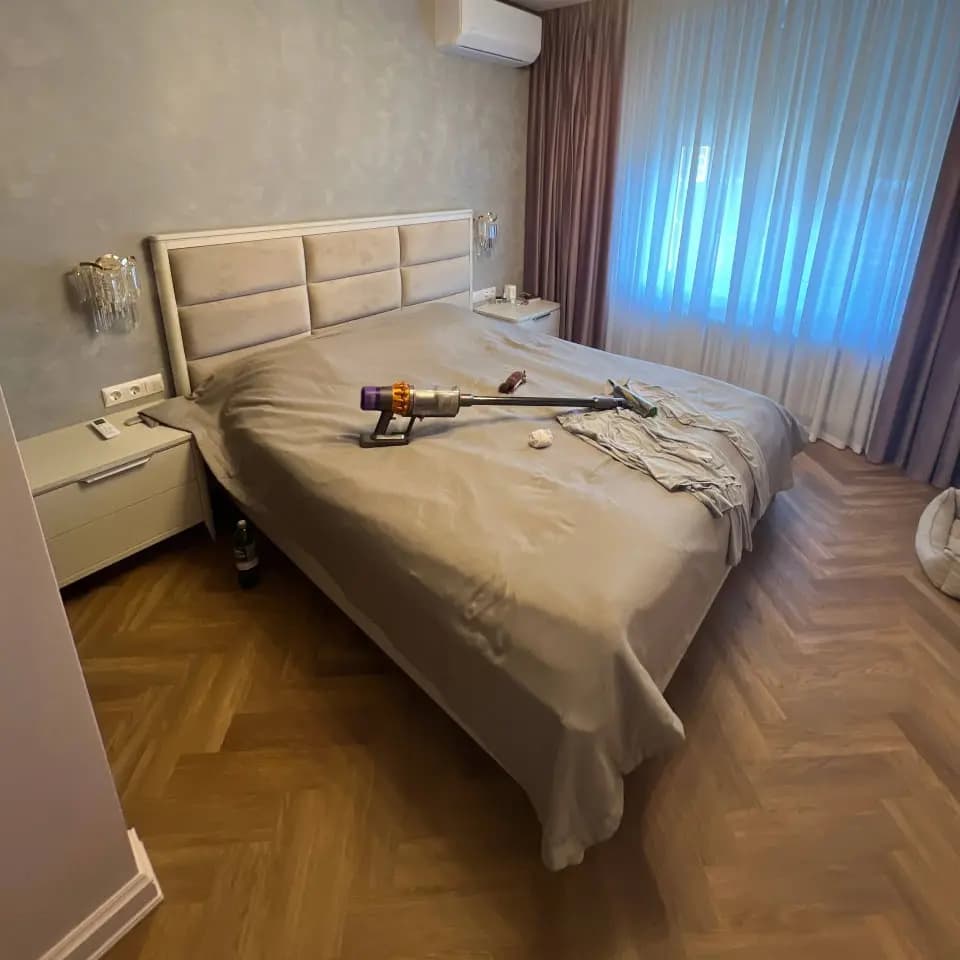
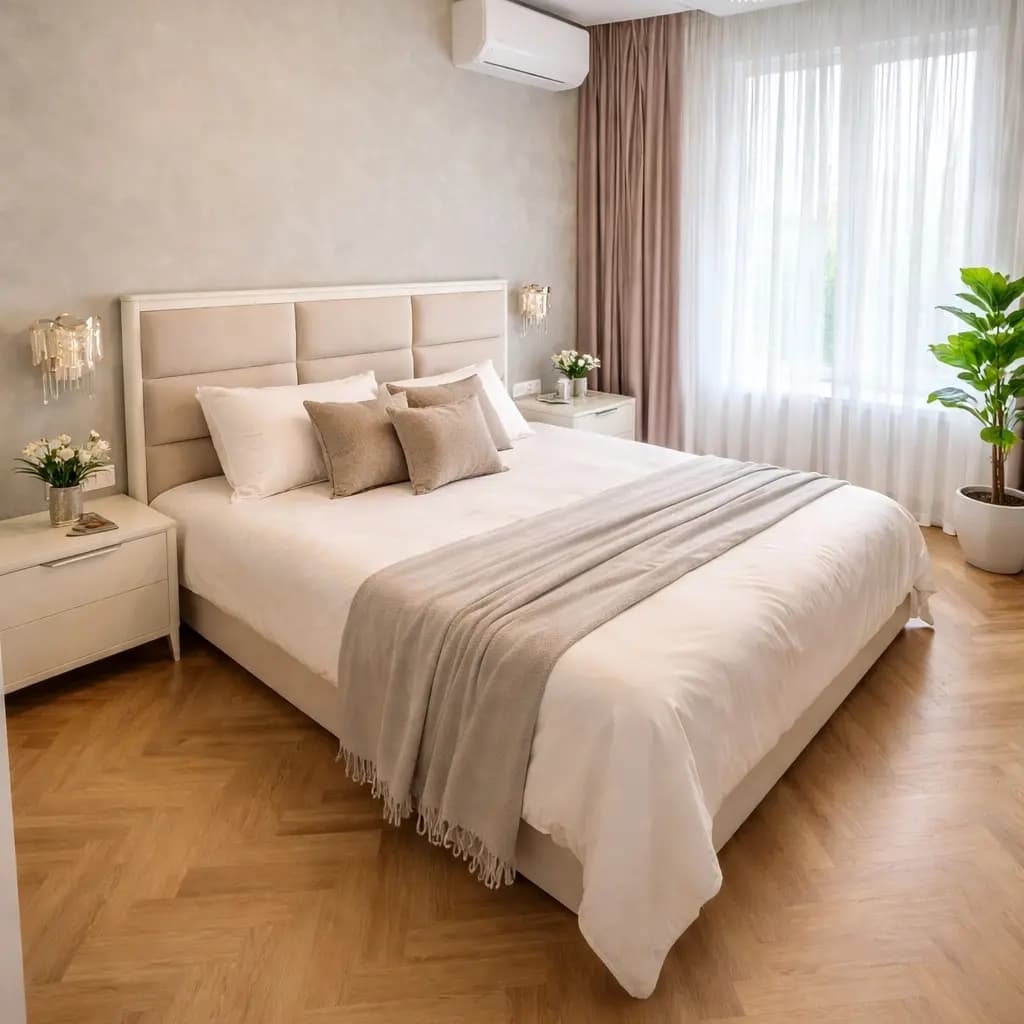
Staged homes in Phoenix sell faster and for more money. Virtual staging with Agent Lens costs just $0.10 per image — a fraction of the $2,000-$5,000 physical staging cost. Upload your listing photos and get photo-realistic staged images in under 60 seconds.
Local Tips for Selling in Phoenix
Hot Neighborhoods
Buyers are actively searching in these Phoenix neighborhoods. If your home is in or near these areas, emphasize location in your listing.
Timing Your Sale
In Phoenix, the best months to list are January-March. During this window, buyer activity peaks and homes typically sell closer to or above asking price. Plan your preparation 4-6 weeks before listing.
Phoenix Housing Market Overview
### Sequencing the photos for the Valley buyer
The single biggest mistake I see in Phoenix listing photography is leading with the front elevation followed by an empty living room. The relocation buyer in San Jose is swiping through fifty listings on a Tuesday night, and the order matters more than the count. Lead with a backyard hero shot rendered for golden-hour light, then the kitchen, then the great room or living room, then the primary suite, then the covered patio as a staged outdoor room. The front elevation lands at photo seven or eight, not photo one. This sequence answers the buyer's actual question, which is whether the lifestyle the listing is selling holds up before they invest forty minutes reading the rest of the description. AgentLens lets a listing agent render five different evening-light versions of the same backyard photo and pick the one that reads cleanest against the actual sky color in the source. That kind of iteration is impossible with traditional physical staging because the rental costs and scheduling friction price it out for anything below a custom-home tier. The relocation buyer reads the result as a thoughtful home rather than a tired one, and showing requests follow.
### Pricing and timing decisions specific to Phoenix
Price the home against the most recent four to six closings on the same school boundary, not the broader zip code. Arizona buyer agents pull comps tighter than national norms because the Valley's neighborhoods change character within six blocks. A Pinnacle Peak custom home does not comp against an Anthem build even though they share a north-Phoenix postal address. For seasonality, listings that go live between mid-October and early April benefit from full snowbird traffic and the relocation tour cycle that runs from January through March. Summer listings should price slightly below the winter equivalent and lean harder on a strong photo set because in-person showing volume drops significantly when daytime highs exceed 110 degrees. For homes with pools, get the deck resurfaced if there is any visible chalking or stain before the photo shoot because a pool that reads as deferred maintenance in the photos costs more in price reductions than the resurfacing would have. Disclosure of virtual staging is required by Arizona Department of Real Estate rules and ARMLS expects a brief note in the MLS remarks confirming that any rendered furniture is virtual rather than physical.
Cost of Selling a Home in Phoenix
Top Selling Tips for Phoenix
Lead with a backyard hero photo
The first image in the photo set should be the backyard rendered with staged outdoor furniture, not the front elevation. Phoenix relocation buyers prioritize outdoor living, and the photo order should reflect what they actually shop for rather than the default MLS sequence that puts the front of the house first.
Shoot in the first hour after sunrise
Phoenix midday light blows interior highlights through every window and makes the staging look washed out. Schedule the photo shoot for sunrise plus thirty minutes when the light is warm and even. The virtual staging render matches the available light cleanly when the source photo is properly exposed.
Match staging to the architectural era
Arcadia ranches need warm wood, leather, and linen. Scottsdale mid-centuries need true teak and walnut pieces with clean lines. Paradise Valley territorials reward heavier stone and beam-friendly furniture. Generic farmhouse or coastal staging fights all three and the photos read as transplanted rather than local.
Price against the last 30 days, not 90
Phoenix neighborhoods change character within a few blocks. Pull comps tight to the same school boundary and the most recent month of closings. The 90-day comp window includes too much seasonal variation and undersells homes that came online during the slow summer months.
List on Thursday morning
Relocation tour traffic from California typically lands Thursday night and Friday morning. A Thursday morning listing launch hits the MLS feed before that traffic starts shopping, giving the property a 48-hour visibility advantage over Monday listings that get buried under a weekend of new inventory.
Frequently Asked Questions About Selling in Phoenix
How much does it cost to sell a house in Phoenix?
The total cost of selling a house in Phoenix, AZ typically ranges from 8-10% of the sale price. This includes agent commissions (5-6%), closing costs, title insurance, and transfer taxes. On a $435,000 home, expect to pay roughly $39,150 in total selling costs.
How long does it take to sell a house in Phoenix?
Homes in Phoenix currently spend an average of 44 days on market before going under contract. Add another 30-45 days for closing, meaning the entire process takes roughly 74-89 days from listing to keys. Pricing correctly and staging well can significantly reduce time on market.
When is the best time to sell a house in Phoenix?
The best months to sell a house in Phoenix, AZ are January-March. During this window, buyer demand peaks, inventory competition is manageable, and homes tend to sell faster and closer to asking price. However, well-priced and staged homes attract buyers year-round.
Do I need a realtor to sell in Phoenix?
While you can sell FSBO (For Sale By Owner) in Phoenix, homes sold with an agent typically net 6-10% more after commissions. A local Phoenix agent brings MLS access, professional marketing, negotiation expertise, and knowledge of neighborhoods like Scottsdale and Arcadia. Most sellers find the higher net proceeds justify the 5-6% commission.
Should I stage my home before selling in Phoenix?
Absolutely. Staged homes in Phoenix sell 30-50% faster and for 1-5% more than non-staged properties. With a median price of $435,000, even a 1% increase means thousands more at closing. Virtual staging with Agent Lens costs just $0.10/image and delivers photo-realistic results in seconds — a fraction of the $2,000-$5,000 physical staging cost.
More Resources for Phoenix
Stage Your Phoenix Listing with AI
Sell faster in Phoenix's $435,000 market — virtual staging from $0.10/image
Selling Guides for Other Cities
Explore home selling guides for markets across the United States.