

Coastal Study
Virtual Staging
Transform your study with coastal virtual staging. Professional AI-powered results in 60 seconds.
Quick Answer
A coastal study has to thread a narrow needle: it should evoke the proximity of water without committing to nautical clichés. The early 2010s coastal aesthetic of rope-wrapped lamps, anchor pillows, and shell collections has aged poorly, and current buyers in coastal markets respond to a more restrained interpretation. Think weathered oak, white-washed paneling, linen upholstery, and a single piece of marine-adjacent art rather than a thematic accumulation. I have staged coastal studies for clients in Nantucket, Sea Island, Hilton Head, and Coronado, and the rooms that close deals share three traits: a confident neutral palette with one or two color accents drawn from local water tones, natural fiber rugs sized to the room, and architectural detailing that reads as house rather than vacation rental. AgentLens lets agents preview coastal variants ranging from New England shingle-style to Florida modern coastal to Pacific Northwest waterfront, which matters because the regional coastal vocabulary varies sharply. Color stories include warm white, soft sand, weathered oak, and accents in muted blue, sea glass green, or coral. Hardware should be unlacquered brass that has been allowed to patina, oil-rubbed bronze, or matte nickel; polished chrome looks resort-grade and undercuts the architectural intent. The right coastal study photograph signals a real coastal house rather than a beach-themed room, and that distinction is what current buyers in coastal markets are looking for.
Key Takeaways
- 1Coastal style features: Beach vibes, light colors, nautical accents
- 2Virtual staging costs just $0.10 per photo
- 3Results delivered in approximately 60 seconds
- 4Staged homes sell 30-50% faster (NAR)
Staging Insight
Coastal studies vary more by region than almost any other style, and the right interpretation depends on the local architectural tradition. Nantucket and Martha's Vineyard reward a New England shingle-style study with painted bead-board walls, painted oak floors, and accents in faded indigo and antique brass. Sea Island, Kiawah, and Hilton Head reward a Lowcountry coastal with grasscloth walls, dark wood floors, and accents in seafoam and warm coral. Florida's Coral Gables, Vero Beach, and Naples reward a brighter coastal with white-washed pecky cypress paneling, polished concrete or terracotta tile floors, and accents in turquoise and sand. Coronado, La Jolla, and Laguna Beach reward a Pacific coastal that pulls in mid-century influences with teak, wool rugs, and accents in deep teal and cream. The Outer Banks and Cape Hatteras reward a more weathered, salt-bleached look with reclaimed cedar paneling and faded blue textiles. The wrong move is mixing regional coastal vocabularies; a Nantucket-style study in a Florida home reads as imported. NAR home buyer surveys consistently show that coastal market buyers are price-sensitive to staging that fights the local architectural tradition, which makes regional precision particularly important in this category.
Quick Answer
Coastal study virtual staging uses AI to add beach vibes, light colors, nautical accents to empty room photos. Costs as low as $0.10 per image vs $2,000-5,000 for physical staging. Results delivered in under 60 seconds.
Key Takeaways
- 1Coastal style features: Beach vibes, light colors, nautical accents
- 2Perfect for study spaces that need professional appeal
- 3AI processing delivers results in under 60 seconds
- 420,000x more affordable than traditional physical staging
How much does coastal study virtual staging cost?
Coastal study virtual staging costs as low as $0.10 per image with Agent Lens. This is up to 20,000x cheaper than physical staging which costs $2,000-5,000 for an entire home. Our AI delivers professional beach vibes, light colors, nautical accents staging in under 60 seconds.
About Coastal Style
Coastal staging transports buyers to a serene seaside retreat, regardless of the property's actual location. This style features airy, light-filled spaces with a palette of blues, whites, and sandy neutrals. Natural textures like rattan, jute, and weathered wood evoke the beach environment, while subtle nautical touches add character without overwhelming. Popular in vacation markets and waterfront properties, coastal staging appeals to buyers seeking relaxation and a perpetual vacation feel.. This style is perfect for study spaces looking to attract buyers with a contemporary, refined aesthetic. Virtual staging allows you to showcase this design without the cost or logistics of physical furniture.
Coastal Design for Your Study
### Materials and the coastal palette
A coastal study works through restraint. Walls work best in warm white, painted bead-board, white-washed paneling, or a high-quality grasscloth in a sand or oat tone. Floors in white-oak, painted oak, polished concrete, or large-format porcelain in a stone color all photograph well; avoid red oak or anything with a strong orange undertone. The desk should be 60 to 72 inches in white-washed oak, weathered teak, or painted wood with a distressed finish; a writing desk reads as more residential than an executive desk in this style. Pair with a rattan, cane, or upholstered linen chair in a relaxed silhouette. Add a pair of accent chairs in linen, sailcloth, or a soft cotton near a window with views toward water if possible. The rug should be a natural fiber (sisal, jute, or seagrass) for the base layer, optionally topped with a smaller wool flatweave in a faded stripe or muted geometric. Add layered window treatments: woven roller shades for sun control plus linen drapery in a warm white for softness.
### Coastal art, lighting, and the discipline of subtraction
Lighting in a coastal study should look natural to the architectural tradition: a paper or rattan pendant, a lantern in unlacquered brass, or a chandelier in painted iron all photograph well. Add a desk lamp with a linen or paper shade and a floor lamp with a turned wood or rattan base. For art, choose one large piece that gestures toward water without naming it: an abstract in muted blues and creams, a black-and-white photograph of a coastline, a watercolor of dunes, or a botanical print of native coastal plants. Avoid the obvious: anchors, ship wheels, lighthouses, anything resembling captain's quarters decor. Style the desk with a leather portfolio, a stack of two or three hardcover books, a single shell or piece of coral as a paperweight, and a small ceramic vessel. Bookshelves should hold a mix of cloth-bound books, woven baskets, ceramic or stoneware vessels, and one or two framed pieces. Add a few personal-feeling cues: a pair of binoculars, a worn journal, a vintage map of the local coastline. The discipline that separates a successful coastal study from a themed room is recognizing that one or two coastal references read as architectural; five or more read as a gift shop. AgentLens preview variants help agents test the threshold before committing.
Coastal Study Staging Benefits
Why Virtual Staging Works for Studys
Coastal Study Staging Tips
Pick one water color
Choose a single accent color drawn from local water (deep teal in Pacific markets, soft turquoise in Florida, faded indigo in New England, sea glass green in the Lowcountry) and apply it through one piece of art, the rug border, and one or two styled objects. More than one water color reads as themed.
Use natural fibers as the base layer
A sisal, jute, or seagrass rug under the seating zone provides the texture and tone that defines coastal interiors. Layer a smaller wool rug on top if needed for color or pattern. The natural fiber base is what photographs as architectural rather than decorated.
Avoid nautical clichés
No anchors, ship wheels, captain's lanterns, rope-wrapped objects, or shell-encrusted picture frames. The current coastal aesthetic is restrained and architectural rather than thematic. Buyers in real coastal markets discount listings that lean into the cliches because they signal a vacation rental rather than a permanent residence.
Choose unlacquered brass with patina
Unlacquered brass that has been allowed to develop a natural patina photographs as authentic to coastal architecture. Polished chrome reads as resort, lacquered brass reads as suburban traditional, and painted black reads as too modern. Specify unlacquered brass on the desk lamp, drawer pulls, and one accent piece, and let the patina happen.
Stage with a single nod to the location
A vintage chart of the local coastline, a small framed shell collection (one frame, not five), or a single piece of driftwood placed as sculpture provides the location cue without crossing into theme. Buyers want to feel the proximity of water; they do not want to feel like they are touring a beach-themed showroom.
Stage Your Study in Coastal Style Today
Get professional coastal virtual staging in 60 seconds
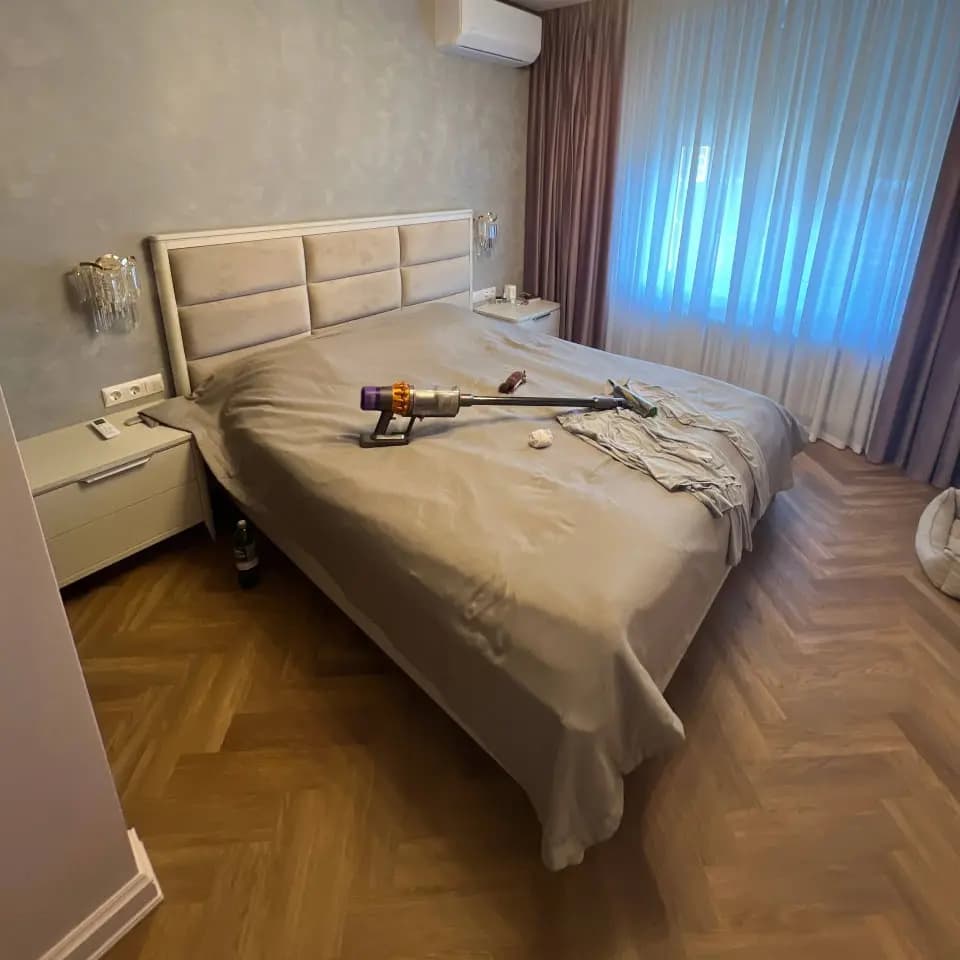
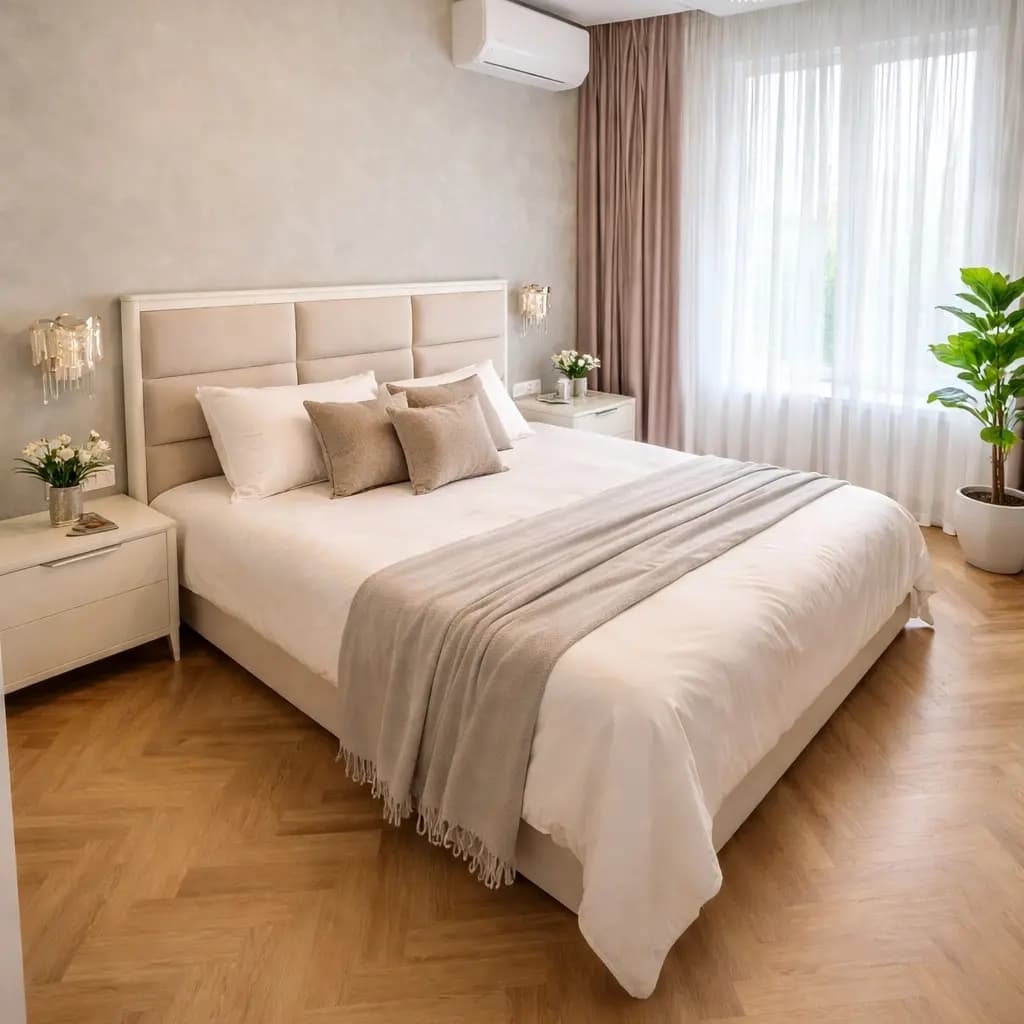
Coastal Study Virtual Staging FAQ
How is coastal different from beach style?
Coastal staging draws on regional architectural traditions of homes built near water, while beach style refers to a more thematic vacation rental aesthetic with bright colors, novelty objects, and obvious referential decor. A coastal study photographs as a home; a beach-style room photographs as a rental. Coastal markets buying primary residences strongly prefer the architectural interpretation, while short-term rental investors sometimes prefer the more thematic beach style. For a listing, default to coastal.
Does coastal staging work in non-coastal markets?
Rarely. The coastal aesthetic depends on a credible relationship to water; in landlocked markets it reads as imported and disconnected from the architecture. The exception is lakefront properties in markets like the Berkshires, the Finger Lakes, or the Lake Tahoe region, where a coastal-adjacent style pulled toward the regional cabin or lodge aesthetic can work. In suburban or urban markets without water access, transitional or modern staging will photograph stronger.
What is the right wall color for a coastal study?
Warm white is the safest choice: Benjamin Moore Simply White, Sherwin-Williams Pure White, or Farrow & Ball School House White all photograph well. Painted bead-board in a soft white or pale blue-gray works in New England-style coastal homes. Grasscloth in a sand or oat tone adds texture for Florida or Lowcountry coastal. Avoid bright pure whites; they read as modern rather than coastal. Avoid blue walls beyond a soft accent; they push the room toward themed.
Can I include water views in the staged photograph?
Yes, and you should if the property has them. A coastal study photographed with the desk facing or near a window with water views is one of the strongest possible listing photographs in this market. Stage the room to lead the eye toward the window: face the desk that direction, place the lounge chair to take advantage of the view, and avoid window treatments that compete with the view. AgentLens can render the staging while preserving the existing view in the empty photograph.
How do I keep the coastal study from feeling generic?
Specificity to the regional coastal tradition is the difference between generic and convincing. A New England shingle-style study photographs differently from a Florida modern coastal study; using the same furniture and palette in both creates the generic look. Research the local architectural tradition, choose materials and finishes that match it, and add one or two location-specific cues (a chart of the local water, a regional plant, a piece of art from a local artist). The room should photograph as belonging specifically to that coast rather than to a generic coastal idea.
Learn More
Helpful guides related to Coastal study virtual staging.